头部背景图片

What is the precision transmission core in arm robots?

2025-08-29

In the field of modern industrial automation and precision machinery, arm robots have become an indispensable and important equipment. In this type of high-precision mechanical system, ball screws, as key transmission components, play a vital role. This article will explore in depth the application of ball screws in arm robots and their technical characteristics.


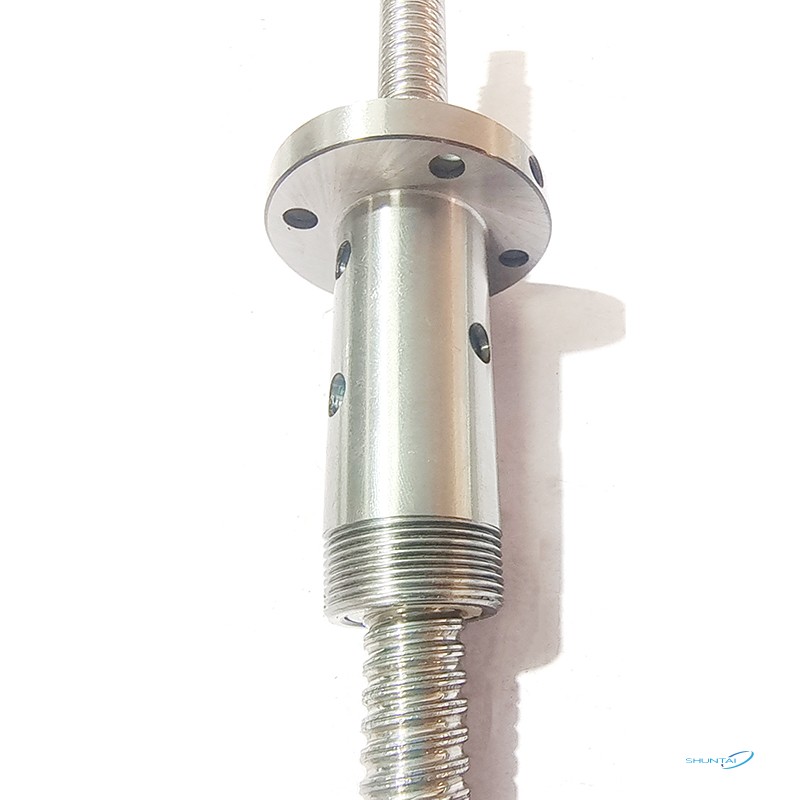
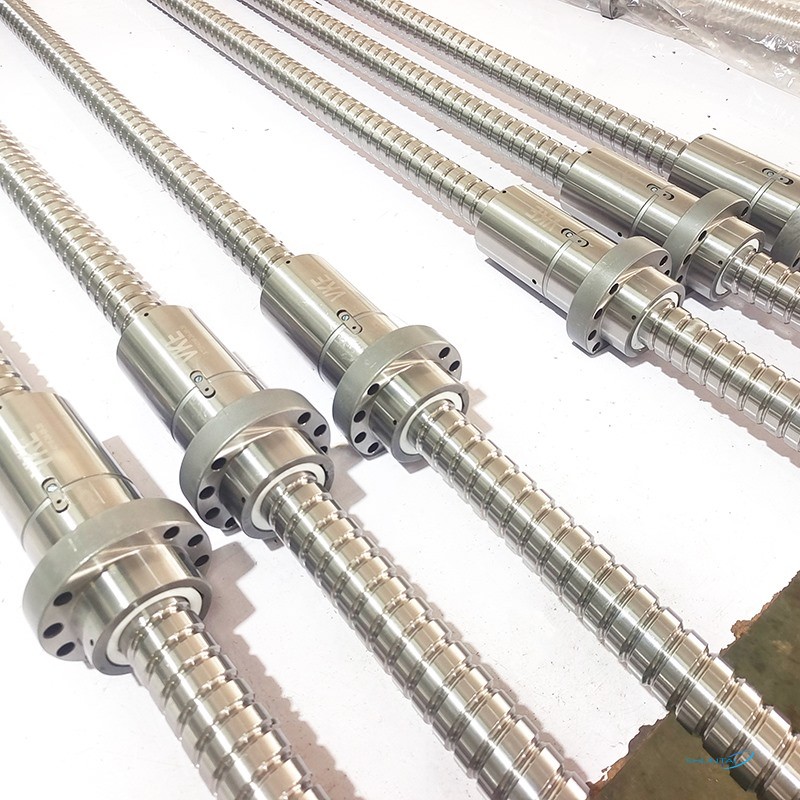
Ball screws are a precision mechanical element that converts rotational motion into linear motion. They are composed of screws, nuts, balls, and return systems. Compared with traditional sliding screws, their biggest feature is to reduce friction through the rolling contact of the balls, thereby achieving high efficiency (usually up to 90% or more) and high-precision motion transmission.
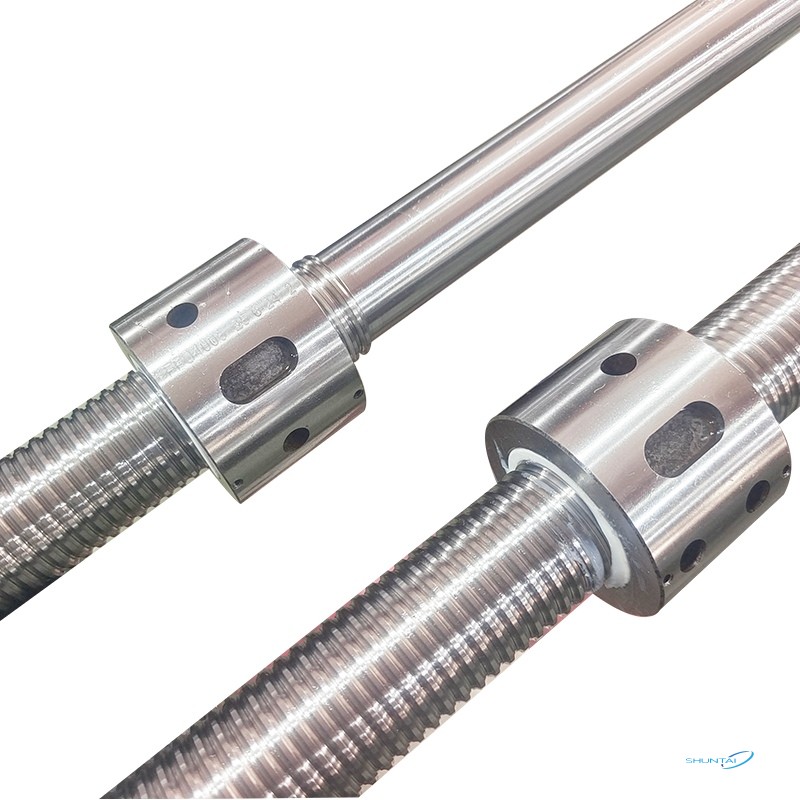
 

The application advantages of ball screws in arm robots are as follows:

High-precision positioning: Modern industrial-grade arm robots usually need to achieve micron-level positioning accuracy. The small backlash and precise lead of ball screws make them an ideal choice.


High load capacity: The large contact area of the balls disperses stress, allowing arm robots to handle heavier workpieces without affecting accuracy.


Long life and low maintenance: Rolling friction greatly reduces wear, extends service life and reduces maintenance frequency.


High speed response: Low friction characteristics allow faster acceleration and improve the efficiency of arm robots.


Despite the obvious advantages, ball screws still face some challenges in arm robot applications:


Thermal deformation problems: Heat generated by high-speed movement may lead to reduced accuracy. Modern solutions include the use of cooling systems and low thermal expansion materials.


Miniaturization needs: With the development of collaborative robots, the demand for compact ball screws is growing, which has promoted the development of miniature ball screw technology.


Intelligent integration: The new generation of ball screws has begun to integrate sensors to monitor load, temperature and wear status in real time to achieve predictive maintenance.


With the advancement of Industry 4.0 and smart manufacturing, arm robots have put forward higher requirements for ball screws:


Higher precision: The demand for nanometer-level positioning accuracy is driving the development of ultra-precision ball screws.


Intelligence: "Smart screws" with built-in sensors will become standard.


New material applications: The application of ceramic balls and composite materials will further improve performance.


Green manufacturing: more environmentally friendly production processes and recyclable designs are valued.


As the "precision muscle" of arm robots, the technological progress of ball screws directly determines the performance ceiling of robots. With the development of material science, manufacturing processes and intelligent control technology, ball screws will continue to push arm robots towards higher precision, higher efficiency and more intelligence, providing more powerful automation solutions for modern manufacturing.
If you are interested, please contact us, we have the most professional and standardized team technical support.

Where are spline screws used?

2025-08-29

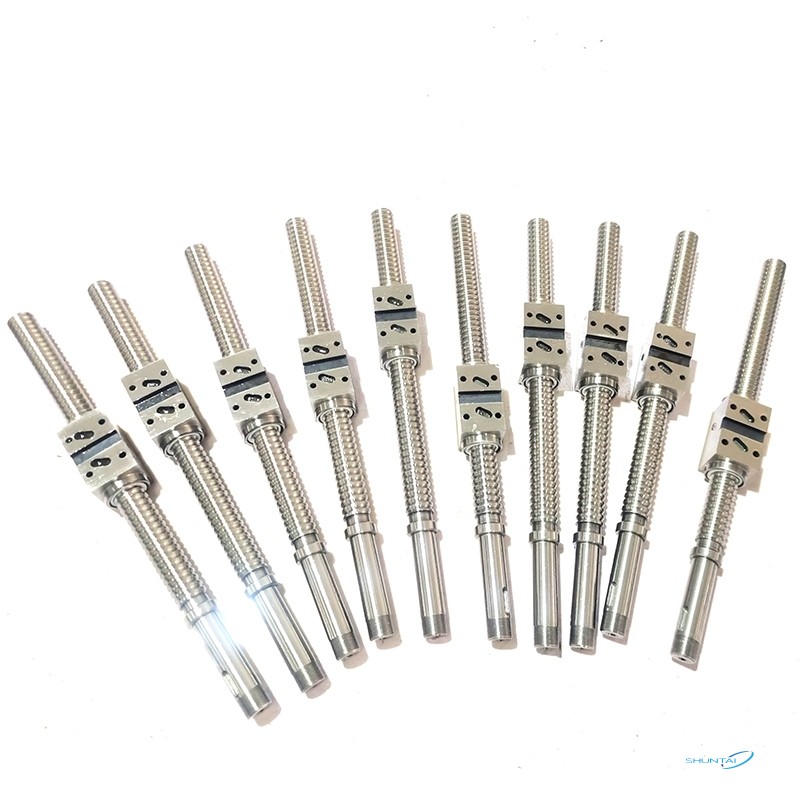
The spline screw in the SCARA (Selective Compliance Assembly Robot Arm) four-axis robot is a key transmission component, mainly used to achieve high-precision linear motion and rotational motion (θ axis, usually the fourth axis) of the robot in the vertical direction (Z axis). The following is its detailed use and description:


1. Main use


Z-axis lifting motion: The spline screw converts the rotational motion of the motor into precise linear motion, driving the end effector of the robot arm (such as grippers, suction cups, etc.) to move up and down in the vertical direction.


Rotational motion transmission: The spline structure transmits torque at the same time to achieve the rotation of the fourth axis (such as the rotation of the end tool), meeting the needs of assembly, screw tightening and other operations.


High precision and rigidity: Suitable for scenarios that require repeatable positioning accuracy (such as ±0.01mm) and resistance to lateral forces (such as precision assembly and handling).


Synchronous motion: When the Z-axis lifting and rotational motions work together (such as inserting parts), the spline screw can ensure the synchronization of the two motions.


2. Structural description


Spline part:

The external spline cooperates with the internal spline sleeve to transmit the rotational torque (θ axis), while allowing the shaft to slide up and down in the spline sleeve (Z axis), realizing the combination of rotation and linear motion.


Screw part:

The precision ball screw converts the rotation of the servo motor into linear motion, providing high-precision, low-friction lifting drive.


Integrated design: The spline and the screw are usually integrated on the same shaft, saving space and simplifying the transmission chain.


3. Core features


High load capacity: The spline structure disperses torque and radial force, suitable for cantilever loads (such as horizontally extended robotic arms).


Low backlash: The preloaded ball screw and spline cooperate to reduce the motion gap and improve the repeatability.


Compactness: The integrated design reduces external transmission components and adapts to the narrow joint space of the SCARA robot.


Durability: Hardened steel or coating technology is used, which is wear-resistant and has a long life (such as more than 20,000 hours).


4. Typical application scenarios


Electronic assembly: PCB board plug-in, chip handling (requires Z-axis precision lifting + rotation alignment).


Automated production line: screwing, gluing (rotation and pressing action).


Medical equipment: reagent packaging, test tube operation (dust-free, low vibration requirements).


5. Comparison with other transmission methods

Characteristics Spline screw Timing belt + guide rod Linear motor
Accuracy High (μm grade) Medium (affected by belt elasticity) Very high
Load capacity High (suitable for heavy loads) Medium-low Medium
Cost Medium Low High
Maintenance complexity Regular lubrication Belt replacement Almost maintenance-free


6. Selection considerations


Accuracy level: Select C3/C5 screw according to the task.


Dust-proof design: Sealed spline sleeve prevents dust from entering (such as IP54 protection).


Lubrication method: Automatic lubrication or maintenance-free grease design.


Through the composite function of the spline screw, the SCARA robot can efficiently complete complex movements with limited degrees of freedom, becoming the mainstream choice in 3C, automotive electronics and other fields.


A three-minute introduction to the world of ball screws

2025-08-29

In the world of precision manufacturing, there's a seemingly inconspicuous yet crucial component that converts rotational motion into precise linear motion. It carries tremendous force yet strives for micron-level accuracy. It's the ball screw, the indispensable "heart of precision transmission" in modern high-end equipment.


I. What is a ball screw? The core principle revealed

Simply put, a ball screw can be thought of as a "super screw with countless steel balls embedded in its threads." It consists of three main parts:


The screw: A long shaft with a precision helical raceway.


The nut: A component that mates with the screw and also contains matching helical raceways.


The balls: Precision steel balls that circulate between the raceways of the screw and nut.


The core operating principle is to replace sliding friction with rolling friction. When either the screw or the nut rotates, the balls circulate within the raceways, driving the other component for precise, smooth linear motion. This circulation system significantly reduces frictional resistance and significantly improves efficiency.


II. Why is it so indispensable? Unparalleled Performance Advantages


High Precision: Eliminating backlash (lost motion) and preloading capabilities enable precise positioning at the micron or even nanometer level, the cornerstone of CNC machine tool machining of complex parts.


High Efficiency: Transmission efficiency can reach over 90%. This translates to lower drive torque, greater energy efficiency, and reduced heat generation.


Long Life: Rolling friction causes far less wear than sliding friction, resulting in an extremely long lifespan and high reliability with proper use and maintenance.


High Rigidity: Preloading eliminates internal clearance, allowing the ball to withstand significant axial loads without deformation, ensuring transmission rigidity and stability.


Smooth Movement: The extremely low coefficient of friction results in low starting torque, smooth operation, and zero slip, making it ideal for high-speed reciprocating motion.


III. Applications: From "Industrial Mother Machines" to "The Stars and Oceans"


Ball screws are used in nearly all high-end manufacturing and precision equipment fields:


CNC machine tools: This is their most classic application. The motion of the turret, spindle, and worktable directly determines the machining accuracy and speed of machine tools.


Industrial Robots: The robot's joints and arm extension and retraction require precise, high-rigidity linear motion, and ball screws are the core actuators.


Semiconductor Equipment: Photolithography machines, wafer inspection equipment, and die bonders require extremely smooth and precise motion; even the slightest vibration can be fatal.


Medical Equipment: The scanning platforms of medical CT and MRI machines, as well as the robotic arms of surgical robots, all require quiet, precise, and reliable linear drives.


Automotive Manufacturing: Electric power steering systems, brake actuators, and assembly robots on automated production lines.


Aerospace: Aircraft control surfaces, landing gear retraction and extension, and satellite antenna deployment mechanisms require components to remain reliable in extreme environments.


IV. Manufacturing Difficulty: The Ultimate Art of Precision


Material Selection: High-quality alloy steels, such as chromium-molybdenum steel, are typically used, offering high strength, high wear resistance, and excellent heat treatment properties.


Precision Grinding: Ultra-high-precision CNC grinding machines guarantee the shape, lead accuracy, and surface roughness of the screw raceway, ensuring this precision.


Heat Treatment: Through processes such as carburizing, quenching, and tempering, the surface achieves an extremely high hardness (HRC58 and above) for wear resistance, while the core maintains toughness for impact resistance.


Nut Machining: The design and machining of the internal deflector are crucial, determining the smoothness of ball circulation and noise levels.


Inspection and Matching: Ultimately, equipment such as a coordinate measuring machine and laser interferometer is required for 100% inspection of lead error, stroke accuracy, and other parameters, as well as precise ball matching to achieve optimal preload.


Conclusion

The ball screw, a precision component hidden within the equipment, is the backbone of modern industry. If you are interested in ball screws, please contact us for further information and discussion.

Application of ball screw on lathe

2025-08-29

I. Introduction

In modern machining, lathes are fundamental and critical processing equipment. Their precision and efficiency directly impact product quality and production profitability. With the continuous advancement of industrial technology, traditional sliding screws are no longer able to meet the demands of high-precision, high-efficiency machining. As an advanced transmission element, ball screws, due to their superior performance, have been widely used in lathes, significantly improving their overall performance.


II. Basic Structure and Working Principle of Ball Screws

A ball screw consists of a screw shaft, nut, balls, a circulation system, and a sealing device. Its operating principle is to convert rotational motion into linear motion through the rolling motion of the balls between the screw shaft and nut. Compared to traditional sliding screws, ball screws use rolling friction instead of sliding friction, a fundamental change that results in significant performance improvements.


III. Specific Applications of Ball Screws in Lathes

Feed Systems: Modern CNC lathes commonly use ball screws as the core transmission component of the feed system to control the precise movement of the tool. X- and Z-axis movement is typically achieved by servo motors driving ball screws.

Spindle Stock Positioning: In high-precision lathes, ball screws are often used for axial positioning of the spindle stock to ensure accurate spindle position.

Tailstock Movement: Some advanced lathe designs use ball screws to control tailstock movement, improving adjustment accuracy and ease of operation.

Automatic Tool Changer: In the automatic tool changing system of a turning center, ball screws are responsible for precise toolholder position control.


IV. Technical Advantages of Ball Screws in Lathe Applications

High Transmission Efficiency: The transmission efficiency of ball screws can reach over 90%, far exceeding the 20-40% of sliding screws, significantly reducing energy loss.

Excellent Positioning Accuracy: Through precision manufacturing and preload adjustment, ball screws achieve micron-level repeatability, meeting high-precision machining requirements.

Long Service Life: Due to their rolling friction principle, wear is minimal, with a service life of up to 5-10 times that of sliding screws. Excellent High-Speed Performance: Suitable for high-speed feed motion. Modern high-speed lathes can achieve rapid traverse speeds of 30-60 m/min.


High Axial Rigidity: Preloading can improve axial rigidity, reducing deformation and vibration during machining.


V. Considerations for Ball Screw Applications in Lathes


Protective Measures: Dust protection and sealing must be ensured to prevent chips and coolant from entering the ball screw circulation system.


Lubrication Management: Although friction is low, regular lubrication is still required, generally using lithium-based grease or circulating oil.


Installation Precision: During installation, ensure parallelism between the screw and the guide rail to avoid additional bending moments that may affect service life.


Anti-Reverse Measures: Vertical installation requires a brake to prevent reverse rotation.


Thermal Deformation Control: Heat generated during high-speed operation may affect accuracy, so thermal compensation measures should be considered.


VI. Future Development Trends in Ball Screw Technology


Higher Precision Levels: Research and development of nanometer-level precision ball screws is ongoing.


Intelligent Functions: Integrated sensors enable condition monitoring and predictive maintenance. New Material Applications: Exploring new materials such as ceramic balls and composite nuts.

High-Speed Development: DN values (screw diameter x rotational speed) continue to increase, meeting the demand for higher machining efficiency.

Environmentally Friendly Design: Development of lubrication-free or self-lubricating technologies reduces environmental pollution.


VII. Conclusion

The application of ball screws in lathes has become an important support for modern high-precision and high-efficiency processing. Shuntai ball screws can be customized in different models. Welcome to consult us. We are online 24 hours a day to answer your questions.

Application of ball screws in new energy vehicles

2025-08-29

The role of the ball screw is to achieve "precise, efficient, and fast electronically controlled linear motion," serving as a critical bridge between electrical signals and physical action. Its role is specifically reflected in the following aspects:

1. Core Role: Enabling Electronic Control and Replacing Traditional Systems

The core characteristics of new energy vehicles are electronic control and intelligence, requiring electrical signals to control all physical movements. The ball screw serves as a perfect replacement for traditional hydraulic and pneumatic systems, becoming an ideal electronically controlled actuator.

Traditional vehicles use hydraulic and vacuum assist systems.

New energy vehicles use a combination of motors and ball screws, directly generating precise linear force and motion through electrical energy.


2. Three Key Roles

[Intelligent Safety Actuator] - Primarily in electronic braking and steer-by-wire systems

Function: Instantly converts electrical signals from the brake pedal or autonomous driving computer into tangible braking or steering force.

Value: Response speeds far exceed those of hydraulic systems (in the millisecond range), providing the fast and precise execution necessary for advanced automated driving systems (ADAS), directly impacting driving safety.


[Energy Regeneration Amplifier] - Primarily used in electronically controlled braking systems

Function: Enables extremely precise control of brake pad clamping force, achieving seamless and perfect coordination between friction braking and electric motor-generated regenerative braking.

Value: Maximizes braking energy recovery, converting it into electricity and charging it back into the battery, directly increasing the vehicle's range. This is difficult to achieve with ordinary hydraulic braking systems.


[Ride Comfort Regulator] - Primarily used in active suspension systems

Function: Based on road conditions and driving mode, the motor-driven ball screw quickly and precisely adjusts shock absorber damping or air suspension height.

Value: Enhances vehicle comfort, stability, and handling, achieving a "magic carpet"-like ride, while also lowering the vehicle at high speeds to save energy.


Conclusion:

In new energy vehicles, the ball screw is far more than a simple mechanical component; it is a key enabling technology. By providing efficient and precise linear motion, it helps new energy vehicles achieve smarter driving, longer battery life, more comfortable experience and simpler design. It is one of the indispensable core components for new energy vehicles to move towards higher levels of electrification and intelligence.

What are the core accessories of 3D printers?

2025-08-29

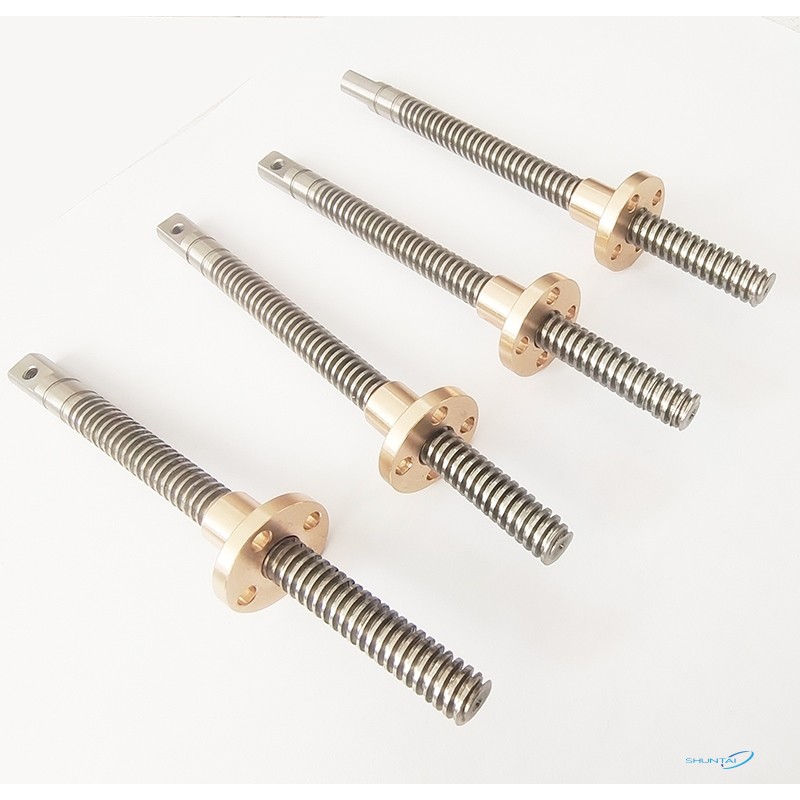
Trapezoidal lead screw is a common mechanical transmission element, named because of its trapezoidal thread cross section. In 3D printers, trapezoidal lead screw plays a key role in converting rotational motion into linear motion. Compared with ordinary threads, trapezoidal threads have higher load-bearing capacity and better self-locking characteristics, which makes it particularly suitable for applications that require precise positioning and certain axial loads.

The working principle of the trapezoidal lead screw is based on the basic physical principle of spiral transmission: when the lead screw rotates, the nut moves along the axial direction of the lead screw, and the moving distance is proportional to the lead of the thread and the number of rotations. This precise linear motion conversion mechanism is one of the foundations for 3D printers to achieve high-precision printing.

Advantages of trapezoidal lead screw in 3D printers

In 3D printing technology, trapezoidal lead screw has many significant advantages over other transmission methods:

High-precision positioning capability: The trapezoidal lead screw can provide higher positioning accuracy, with a typical value of ±0.1mm or higher, which is crucial to printing quality.

Good self-locking performance: The design of the trapezoidal thread allows it to naturally maintain its position when not driven, reducing the risk of the Z axis falling when the power is off or the motor is not working.

Higher load capacity: Compared with belt drive or ordinary threaded rod, trapezoidal screw can withstand greater axial loads and is suitable for supporting the weight of the printing platform and print head.

Smooth motion characteristics: Trapezoidal screw drive reduces vibration and jump, which helps to improve the quality of the printed surface.

High cost performance: Compared with ball screw, trapezoidal screw is lower in cost and can meet the accuracy requirements of most consumer-grade 3D printers.


Typical applications of trapezoidal screw in 3D printers

In the structure of 3D printers, trapezoidal screw is mainly used in the following key parts:

Z-axis lifting system: Most FDM/FFF 3D printers use trapezoidal screws to control the precise movement of the printing platform or print head in the Z-axis direction. Since the Z-axis needs to be highly stable and bear a certain load, the trapezoidal screw becomes an ideal choice.

Some specially designed X/Y axes: Although most modern 3D printers use belt drives on the X/Y axes to achieve higher speeds, some models that focus on accuracy rather than speed also use trapezoidal screws on these axes.

Extrusion mechanism: In some direct-drive extruders, trapezoidal screws can be used to precisely control the advancement of filaments.


Technical parameter selection of trapezoidal screws

When choosing a trapezoidal screw for a 3D printer, you need to consider the following key parameters:

Pitch: refers to the distance the nut moves when the screw rotates one circle. Common ones are 2mm, 4mm, 8mm, etc. Smaller pitches provide higher resolution but slower speeds.

Diameter: Usually 6mm, 8mm, 10mm or 12mm. Larger diameters provide better stiffness and load capacity.

Thread type: standard trapezoidal thread (such as Tr8×2) or specially designed thread.

Material: Usually carbon steel or stainless steel, stainless steel is more corrosion-resistant but more expensive.

Accuracy level: 3D printers usually require C7 or higher precision screws.

Length: Select an appropriate length based on the printer's Z-axis travel requirements, generally slightly larger than the maximum printing height.


Installation and maintenance of trapezoidal lead screw

Proper installation and maintenance are essential to ensure the performance and life of trapezoidal lead screw:

Installation points:

Ensure that the lead screw is parallel to the guide system (such as linear guide)

Use appropriate support bearings to reduce radial loads

Fix both ends firmly but not too tight to avoid stress

Use couplings to connect the motor and the lead screw to compensate for minor misalignments


Maintenance recommendations:

Clean the lead screw regularly to remove dust and printing residues

Proper lubrication (use special grease or lubricating oil)

Check the wear of the nut and replace the worn parts in time

Avoid deformation caused by over-tightening

Comparison of trapezoidal lead screw and ball screw

For most consumer-grade 3D printers, trapezoidal lead screws provide a good price-performance balance. Industrial or high-end printers may prefer to use ball screws for higher accuracy and speed.


Future development trend of trapezoidal lead screw

As 3D printing technology continues to develop, trapezoidal lead screws are also continuously improving:

Material innovation: The application of new composite materials and high-performance alloys improves the wear resistance and life of the lead screw.

Manufacturing process advancement: Precision grinding and special coating technologies improve the accuracy and surface quality of the lead screw.

Integrated design: Some new designs integrate the lead screw with guide rails or other functions to simplify installation and improve system rigidity.

Intelligent monitoring: Built-in sensors monitor the status of the lead screw and predict maintenance needs.


Conclusion

As a key transmission component in 3D printers, the trapezoidal lead screw has a direct impact on printing accuracy and quality. Understanding its working principle, selection criteria and maintenance requirements can help 3D printer users and designers optimize machine performance. With the advancement of material science and manufacturing technology, the trapezoidal lead screw will continue to play an important role in the field of 3D printing, balancing performance and cost, and promoting the development of 3D printing technology to a wider range of applications.

Gachn Group's PP woven valve bag complete line solution one-stop turnkey service launched in West Africa

2025-08-22
Amidst the rapid growth of the global packaging industry, PP woven valve bag products, thanks to their excellent performance, have found widespread application in numerous fields, including chemicals, building materials, and food.
For clients in emerging markets, building a complete and efficient PP woven valve bag production line and enabling localized packaging industry development is key to enhancing market competitiveness. Leveraging its strong technical expertise and extensive industry experience, Gachn Group successfully implemented a complete PP woven valve bag production line solution as a one-stop turnkey service at a client's factory in West Africa, injecting strong momentum into the local packaging industry.

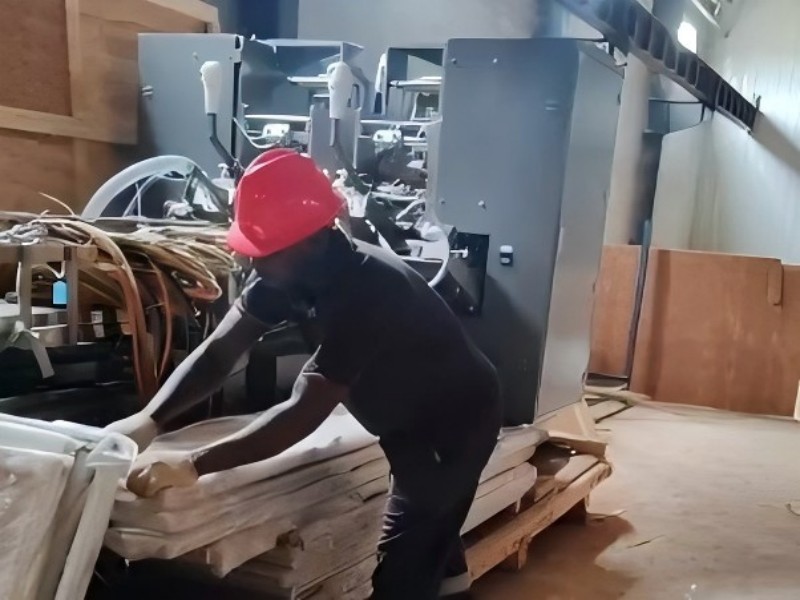
Bag making machine installation

Ⅰ. Turnkey Project: Worry-Free Project Guarantee

Gachn Group understands the complexities of overseas project implementation and has established a systematic, standardized turnkey project. From factory delivery to final acceptance, we strive for excellence in every step, providing customers with worry-free service.

Before equipment leaves the factory:Gachn Group conducts comprehensive and rigorous testing and commissioning of all equipment. Professional technicians, following a high-standard quality inspection system, meticulously inspect each piece of equipment for performance, accuracy, and safety, ensuring that each unit meets factory standards and lays a solid foundation for subsequent transportation and installation.

During transportation:Gachn Group collaborates with professional logistics partners to develop an optimal transportation plan based on the equipment's characteristics and road conditions at the destination. Customized packaging materials are used to properly package the equipment to protect it from impact, impact, and moisture during transportation. Transportation progress is monitored throughout the entire process, allowing for prompt response to any potential issues.

During the installation and commissioning phase:Gachn Group's after-sales team provides professional and high-quality service. They systematically install the equipment according to a detailed, pre-defined installation plan, ensuring precise positioning and secure connections. After installation, comprehensive commissioning is performed to optimize all equipment parameters for optimal operation.

During the pilot production phase:our after-sales engineering team will guide customers through small-batch production, verifying the equipment's operational performance and product quality through actual production. During the pilot production phase, potential issues are promptly identified and resolved, and production processes are adjusted and optimized to prepare for large-scale production.

During the final acceptance phase:Gachn Group and customers will conduct a comprehensive inspection of the equipment's performance, product quality, and production efficiency, based on pre-agreed acceptance criteria. Final acceptance is considered complete only when all indicators meet or exceed these standards.

Ⅱ. Technical Support: Strong Backing

Gachn Group's technical strength provides a strong backing for providing customers with high-quality solutions and services. This is due to the professional background and extensive experience of its engineers, as well as its continuous investment in technology research and development and services. Gachn Group boasts a R&D team of over 100 engineers, whose backgrounds span mechanical engineering, automation control, materials science, and other fields relevant to PP woven valve bag production. Their solid theoretical knowledge and extensive practical experience enable them to provide customers with professional technical support and solutions.

Gachn Group's engineering team has participated in numerous PP woven valve bag machine installation projects both domestically and internationally, accumulating extensive project implementation experience. They are also familiar with the principles of equipment installation.

Investment in technological R&D is key to Gachn Group's continued technological leadership. The company invests significantly annually in R&D, establishing a dedicated R&D team and advanced R&D laboratories. The R&D team continuously explores new technologies and processes, upgrades and improves equipment, and enhances performance and efficiency, while reducing energy consumption and production costs.

Regarding service investment, Gachn Group has established a comprehensive service system to provide comprehensive customer support. The company's dedicated service team provides timely and efficient after-sales service. Whether it's equipment installation and commissioning, troubleshooting, or routine maintenance, the service team responds to customer needs and resolves issues in the shortest possible time.

III. Industry Value: Supporting the Development of the Packaging Industry in Emerging Markets

Gachn Group's complete turnkey solutions are of great significance to overseas customers, particularly those in emerging markets, in developing localized packaging industries.

The packaging industry in emerging markets is often in its infancy, lacking comprehensive production systems and professional technical talent. Gachn Group's complete line solutions offer customers one-stop support, from equipment to service, helping them quickly build a complete PP woven valve bag production line, shortening project timelines and reducing project risks. Through localized production, clients in emerging markets can reduce their reliance on imported packaging, lower transportation and procurement costs, and improve product market responsiveness. Furthermore, localized production can drive the development of related local industries, create jobs, and boost economic growth.

Gachn Group's solutions can also help clients in emerging markets improve the quality and quality of their packaging products, enhance their market competitiveness, and promote the upgrading and development of the local packaging industry.

IV. Conclusion

If you are an overseas client, especially one in an emerging market, planning to develop a localized PP woven valve bag production line, Gachn Group's complete PP woven valve bag production line solution is an ideal choice. With strong technical capabilities, a comprehensive turnkey process, and a high-quality training system, we can provide you with worry-free service throughout the entire process.

Please contact us today to discuss your detailed proposal. Our professional team will provide personalized consultation and solutions to help your project succeed. Let us work together to create a bright future for the packaging industry!


PP Woven Valve Bag Extrusion line - Gachn, the Efficient and Intelligent Choice for Plastic Weaving Equipment

2025-08-22

In the field of plastic woven machinery manufacturing, PP woven valve bags are widely used in the chemical, building materials, grain, and feed industries due to their high strength, excellent wear resistance, and strong sealing properties. In the upstream process of the valve bag production line, the wire drawing machine is a key piece of equipment that determines product quality and production efficiency.

Gachn Group's wire drawing machines are specifically designed for the production of high-quality PP flat yarn. Integrating intelligent, automated, energy-efficient, and environmentally friendly features, they are an ideal choice for many plastic weaving equipment manufacturers looking to increase production capacity and quality.


Why choose Gachn Group Extrusion line?

 
High-Precision Intelligent Control

1. Equipped with an imported intelligent PLC centralized control system, it supports synchronized speed adjustment across the entire line and individual machine fine-tuning, ensuring simple and stable operation.

2. PID temperature control ensures precise temperature control and more stable wire drawing quality.

 
Advanced Automation

1. The automatic belt screen changer supports mixing new PP materials with an appropriate amount of masterbatch, ensuring continuous screen change and significantly improving production efficiency.

2. The variable frequency drive system enables high-speed production, with a maximum winding speed of 450m/min.


High-quality finished yarn output

1. The extruder screw and barrel are made of 38CrMoALA high-strength alloy steel, which is wear-resistant and has a long service life.

2. The 4-roller drafting and 4-roller shaping combination achieves drafting speeds of up to 400m/min, producing uniform flat yarn with strong tension.


Energy-saving and environmentally friendly design

1. The total installed power is approximately 600kW, but the actual operating power is only 320-350kW, reducing energy costs.

2. Equipped with a side yarn crushing and recovery device, it reduces waste, ensuring environmental protection and high efficiency.


Gachn Group equipment parameters

Extruder Screw Diameter: Φ100mm-130mm

Length-to-Diameter Ratio (L/D): 33:1

Maximum Output: 650kg/h

Die Width: 1200-2100mm

Drafting Speed: 80-400m/min

Rewinding Speed: Up to 600m/min


Gachn Group PP Plastic Wire Drawing Machines Offer You Value

Improved Valve Bag Quality: High-strength PP flat yarn makes the woven fabric stronger and more durable.

Increased Productivity and Profit: High-speed production reduces costs and shortens payback period.

Adaptable to Diverse Production: Adjustable yarn width and thickness to meet the needs of valve bags of varying weights and applications.


Why Choose a Gachn Group Wire Drawing Machine?

Strong Stability: Full bridge-type wiring ensures clean and safe operation; the motor features overload and phase loss protection.

User-Friendly Maintenance: The equipment is rationally laid out, with ample maintenance space and a comprehensive spare parts supply.

International quality features: Siemens motors, Schneider electrical components, Nord reducers from Germany, and Fuji temperature control from Japan.


About Gachn Group - A Trusted Plastic Weaving Equipment Manufacturer

We have many years of experience in plastic woven machinery manufacturing, with a stable R&D team and comprehensive after-sales service. We provide customers with one-stop solutions, from equipment selection and installation and commissioning to technical training and parts supply.

If you are looking for a stable and cost-effective PP wire drawing machine, please contact us for a detailed quote and information to better understand our valve bag production line solutions.


Addressing Common Issues in Natural Gas Cooker Performance Testing Equipment

2025-08-22

Addressing Common Issues in Natural Gas Cooker Performance Testing Equipment

Ensuring kitchen safety and efficiency starts with reliable performance testing. This guide explores frequent challenges with natural gas cooker testing equipment and actionable solutions.


1. Understanding Testing Equipment

Natural gas cooker performance testers evaluate critical parameters:

  • Combustion efficiency (gas-to-heat conversion rate)
  • Flame stability (resistance to lift-off/flashback)
  • Gas leakage (detection sensitivity: ≤0.1% concentration)
  • Surface temperature distribution (infrared thermal mapping)
    Without precise testing, safety risks become invisible threats.


2. Why Testing is Non-Negotiable

Key consequences of inadequate testing:
⚠️ Critical Hazards

  • Gas accumulation → Explosion risk
  • Incomplete combustion → CO poisoning (>50ppm danger threshold)
  • Flame failure → Unburned gas release

💡 Operational Benefits

  • 30% longer appliance lifespan (ISO 23555-1 compliance)
  • 15-25% reduced gas consumption
  • Real-time fault diagnostics


3. Top Testing Challenges & Solutions

Problem Solution Tool Requirement
Inconsistent flame readings Calibrate with reference burners Automated flame analyzer
Micro-leak undetection Use ultrasonic detectors 0.01 L/min sensitivity sensors
False efficiency results Standardize test gas composition Wobbe index controller
Overheating risks Thermal imaging during stress tests IR camera + data logger


4. Equipment Selection Checklist

  • Certification: EN 437 / GB 16410 compliance
  • Accuracy: ≤±1.5% measurement tolerance
  • Connectivity: Bluetooth/WiFi for data export
  • Maintenance: Self-diagnostic firmware
  • Usability: Touchscreen interface with preset protocols


5. Optimal Testing Frequency

Usage Level Test Interval Critical Tests
Residential (Daily) Annual Leakage, CO emission, Ignition
Commercial (High-use) Quarterly Full performance + safety audit
Post-repair Immediate Pressure integrity + flame profile


Conclusion: Proactive Protection

Regular performance testing isn’t optional—it’s your first defense against kitchen disasters. Invest in precision equipment, adhere to scheduled maintenance, and transform your kitchen into a truly safe haven.

How does ZYCO deliver each device safely to customers?

2025-08-22

In international trade, the safe transportation of equipment is crucial. For sheet metal processing equipment we export, due to its large size and weight, the packaging and loading method directly determines whether the machine can arrive safely and intact at the customer's factory. Depending on the customer's order quantity and equipment size, we typically arrange export shipping using two methods: Less than Container Load (LCL) and Full Container Load (FCL).


1. LCL

LCL is generally suitable for situations where the customer only orders one small sheet metal processing equipment. Since the equipment is not enough to fill a container on its own, in order to reduce the customer's transportation costs, we will combine the goods with other goods in the same container for transportation.

During the LCL process, we will:


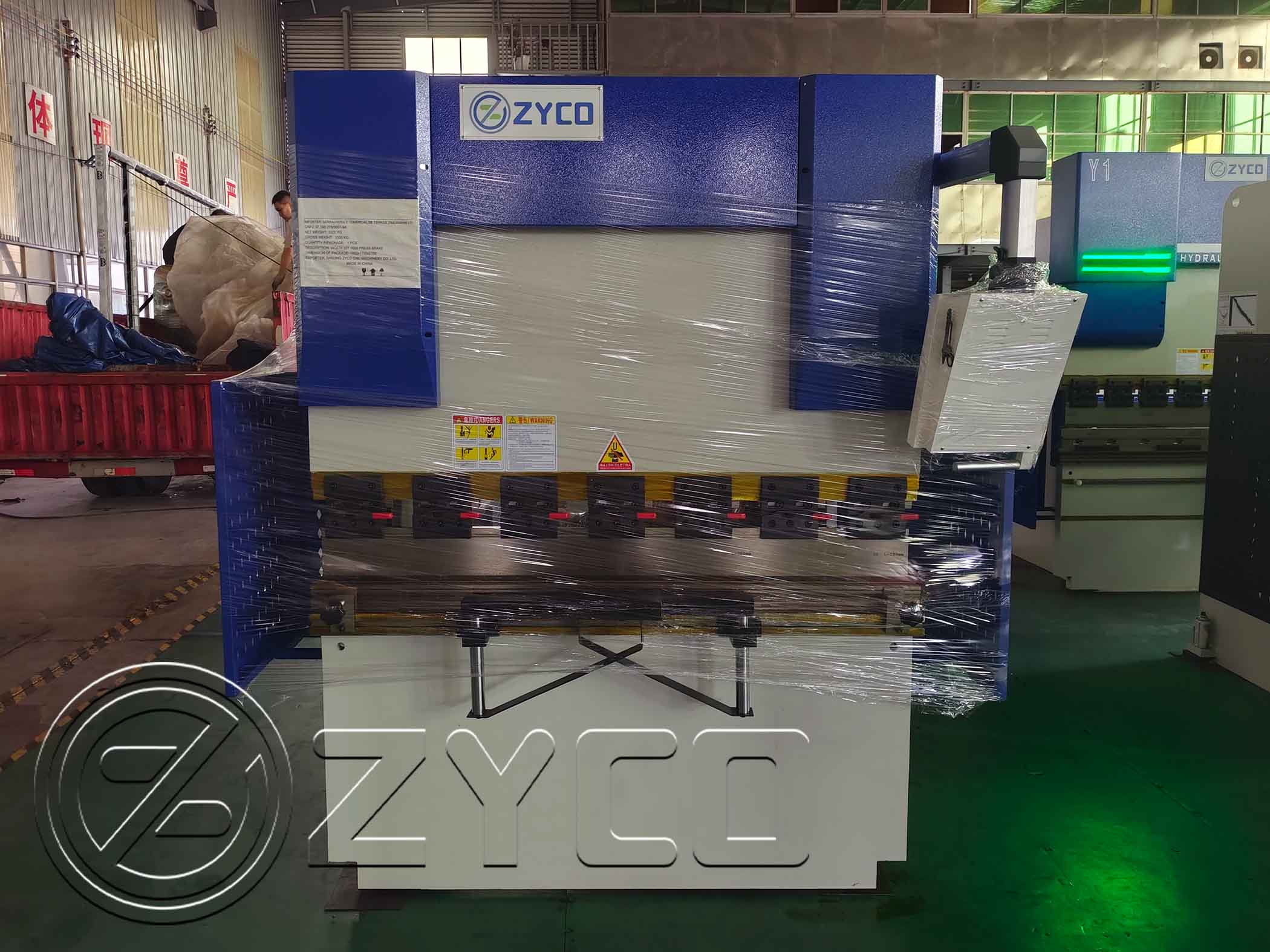
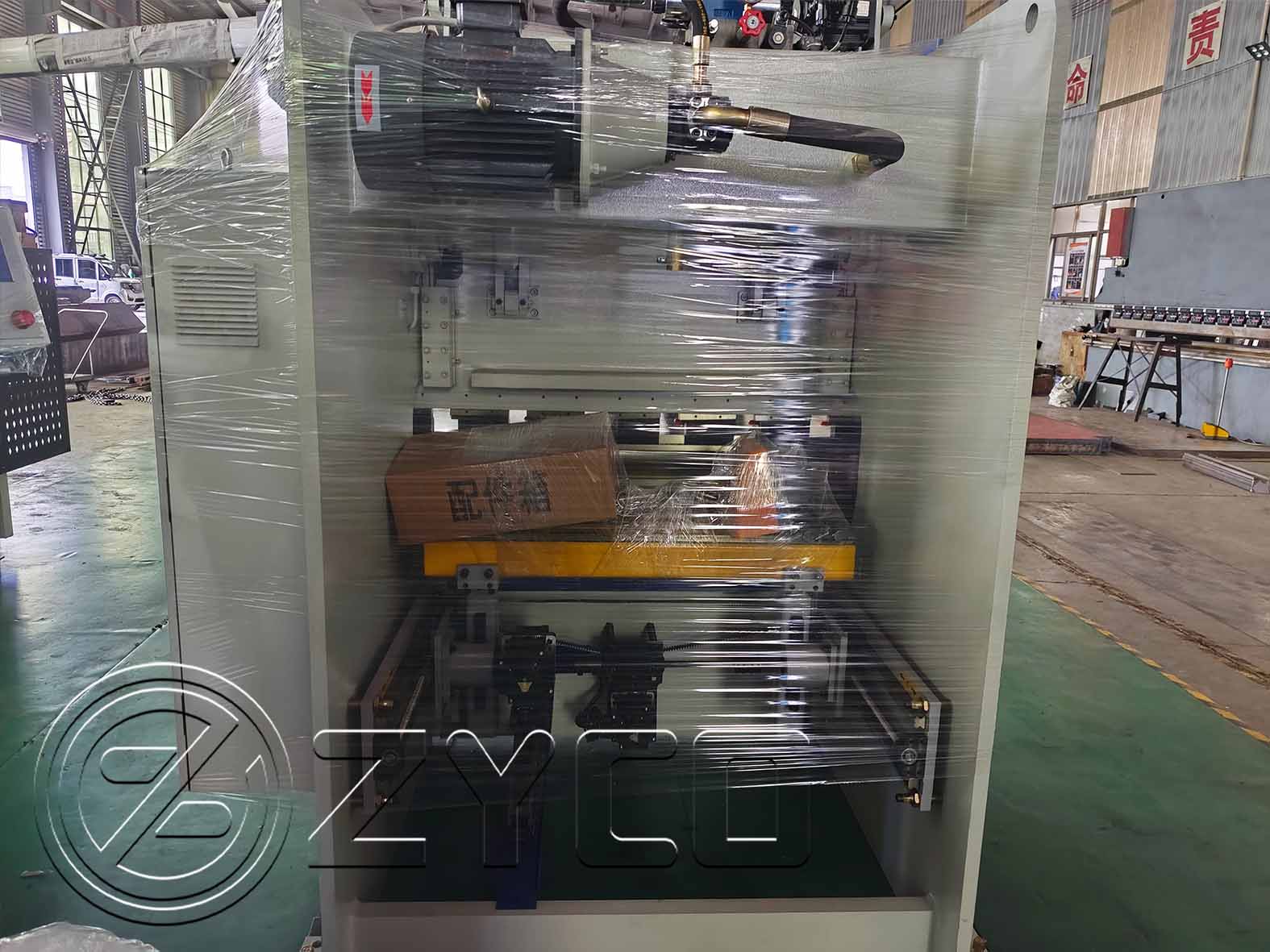
1) Wrap the machine with transparent plastic film and place desiccant in the electrical cabinet to prevent moisture and dust during sea transportation;

DE68T electro-hydraulic CNC bending machine


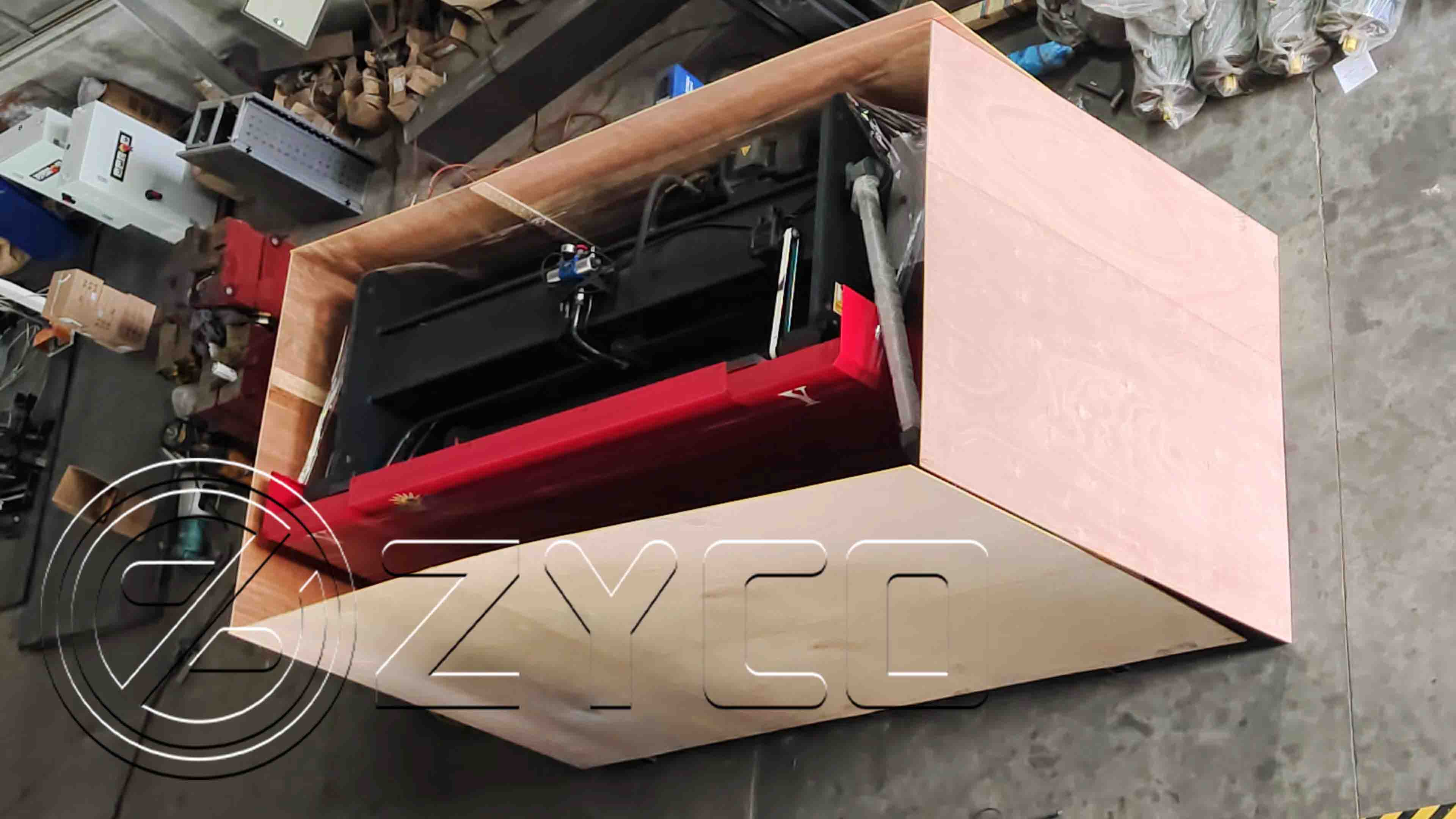
2) Customize wooden boxes for the machines to ensure they are reliably protected during long-distance transportation;

4 Axis aluminum profile bending machine


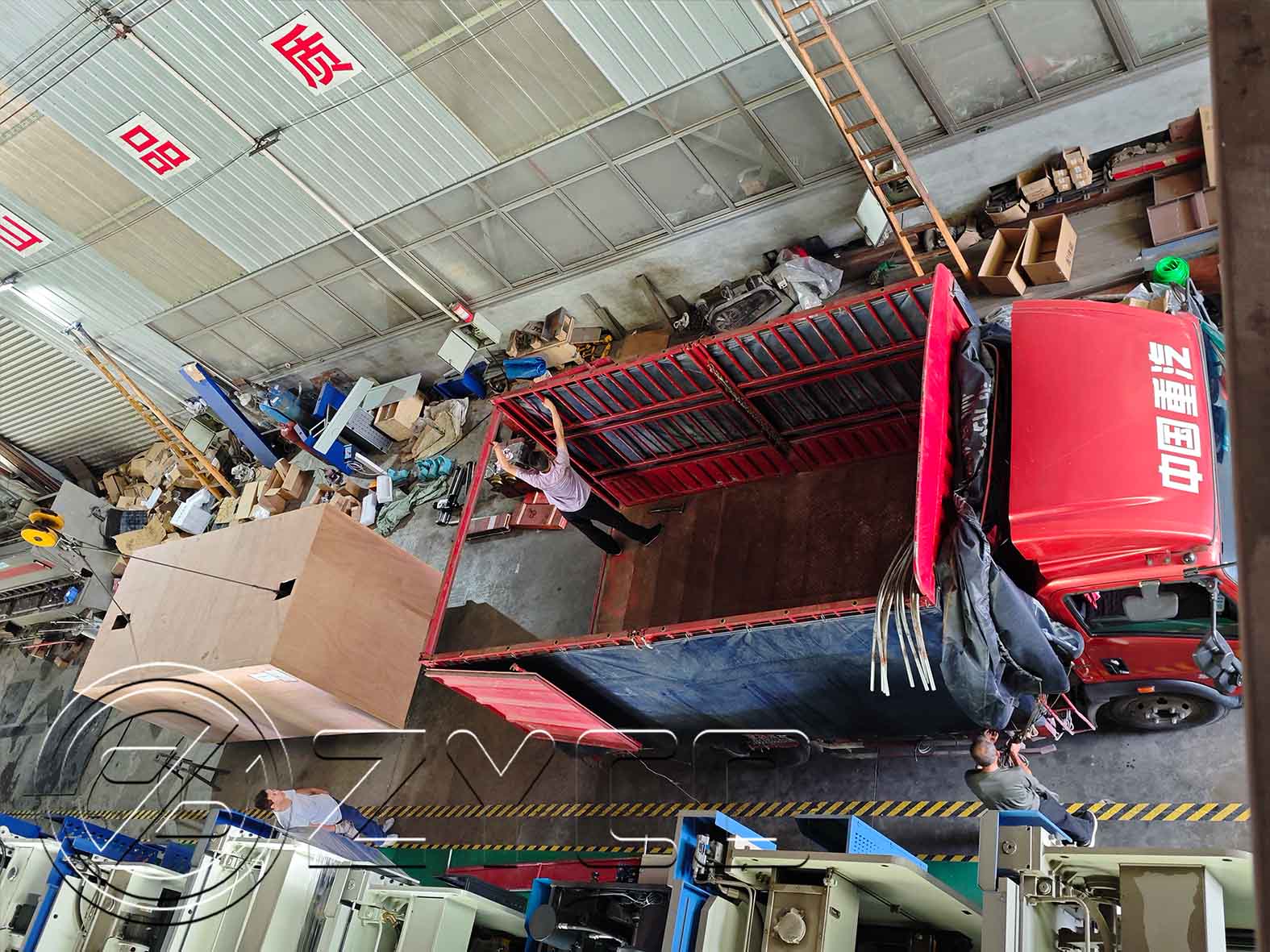
3) Carefully load the wooden boxes onto the truck using a crane;

Copper plate pure electric press brake


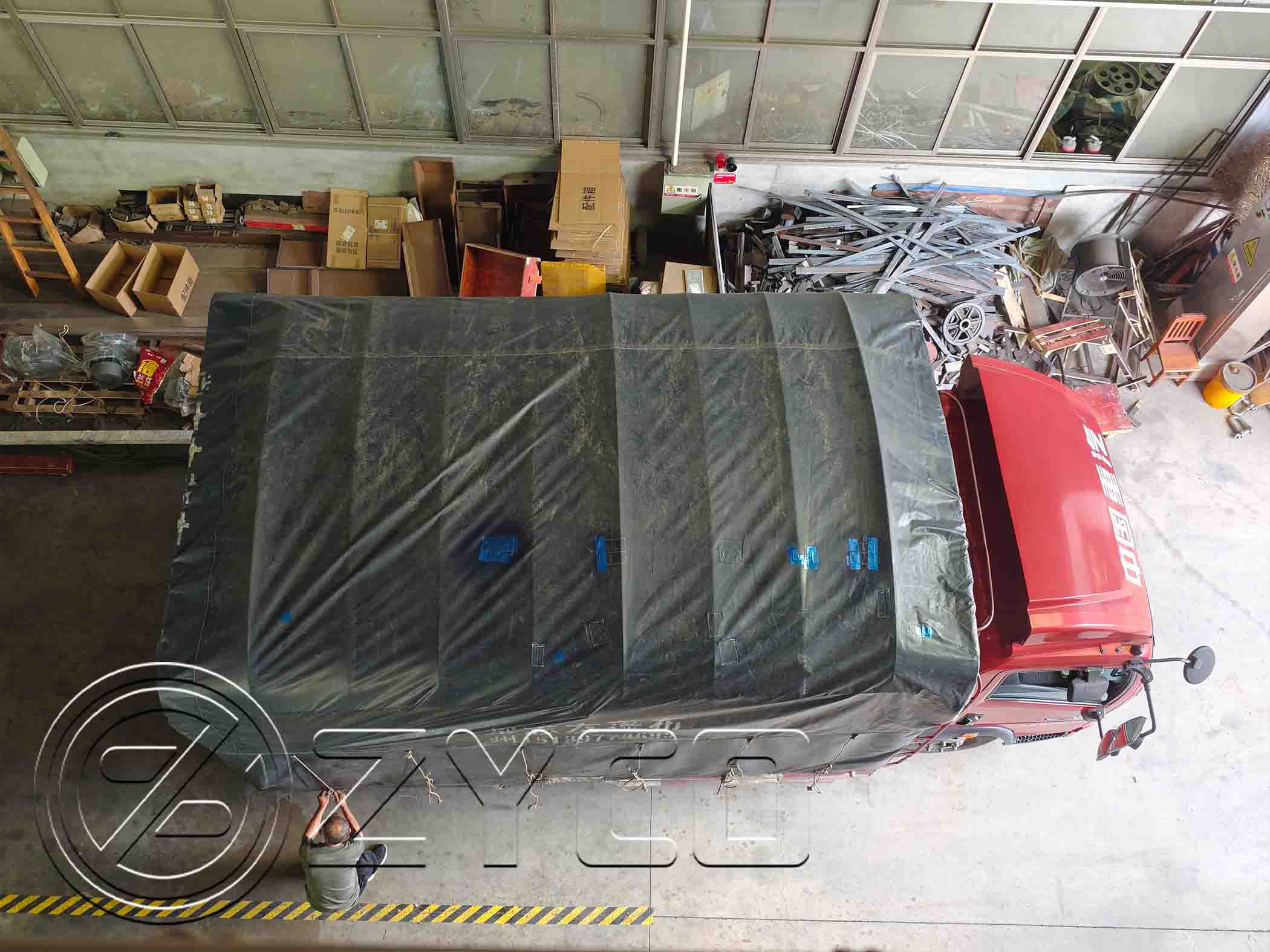
4) Cover with rainproof cloth, prevent rain during transportation;

40-600t CNC bending machine


5) The truck will deliver the wooden boxes to the warehouse designated by the freight forwarder, and the freight forwarder will arrange for the LCL shipment.


This can not only reduce the customer's transportation costs, but also ensure that the machine is not damaged during transportation.


2. FCL

When customers order multiple sheet metal processing equipment, or when a single piece of equipment is large, we will use full container shipping.

The full container load shipping process is more rigorous:


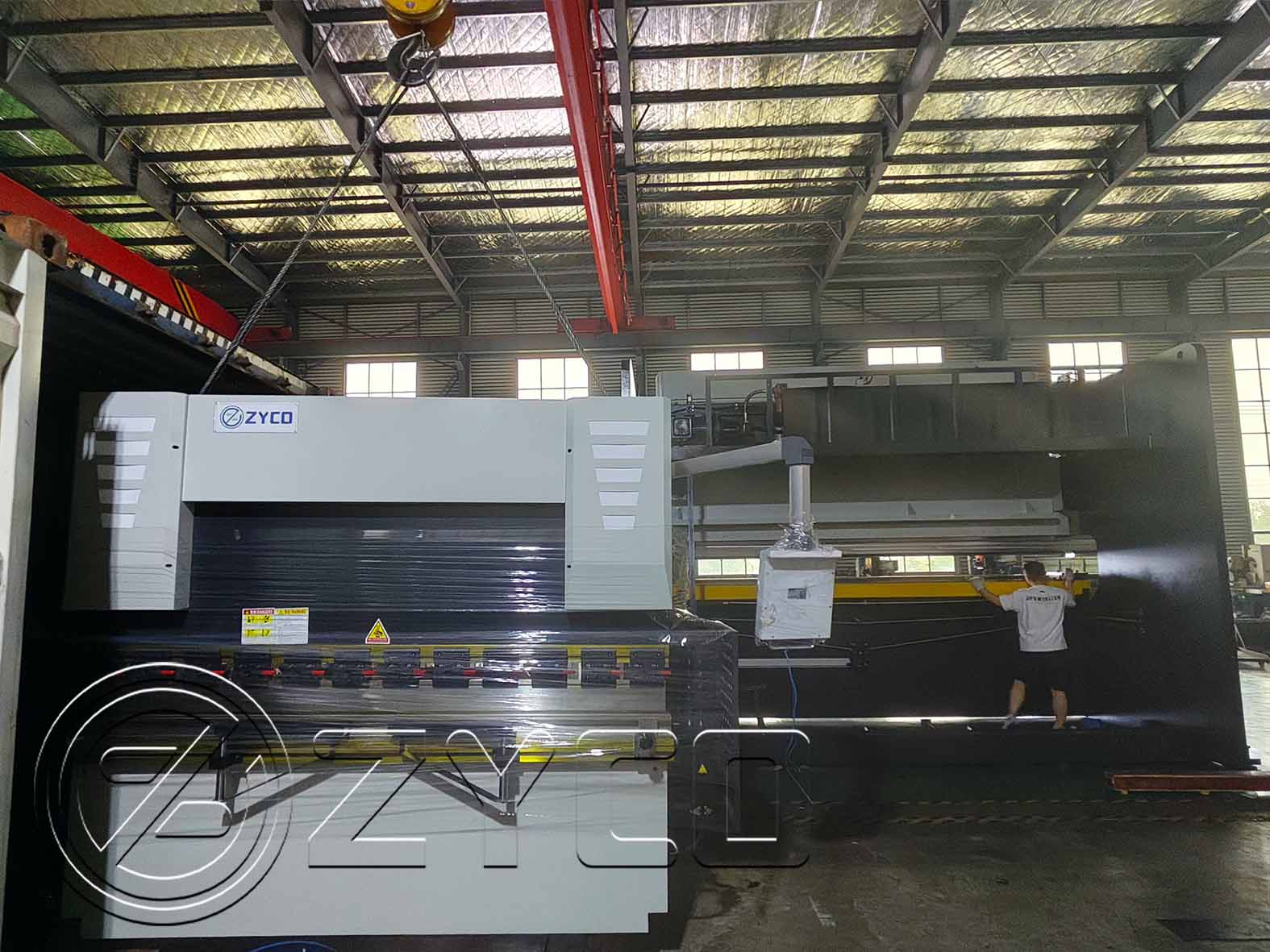
1) Wrap the machine with transparent plastic film and place desiccant in the electrical cabinet to prevent moisture and dust during sea transportation;

Hydraulic CNC Press Brake Machines


2) Operate the crane to lift the machine smoothly to the loading area, and assist the forklift to accurately place the front end of the equipment at the container door;

rolling bending machine


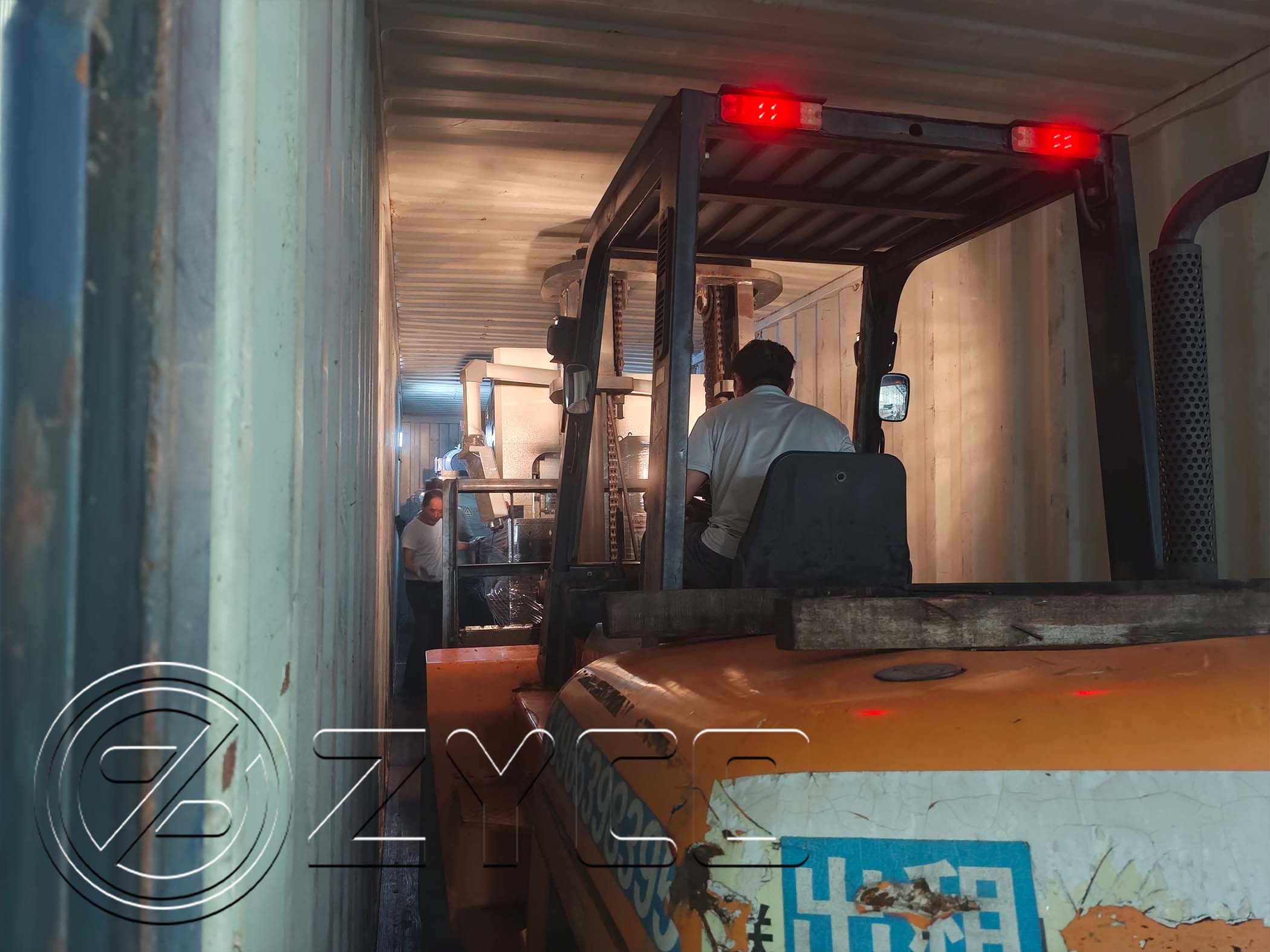
3) The forklift operator skillfully pushes the machine from the container door into the interior and places it in the appropriate position according to the pre-calculated plan to ensure maximum space utilization;

sheet metal rolling machine


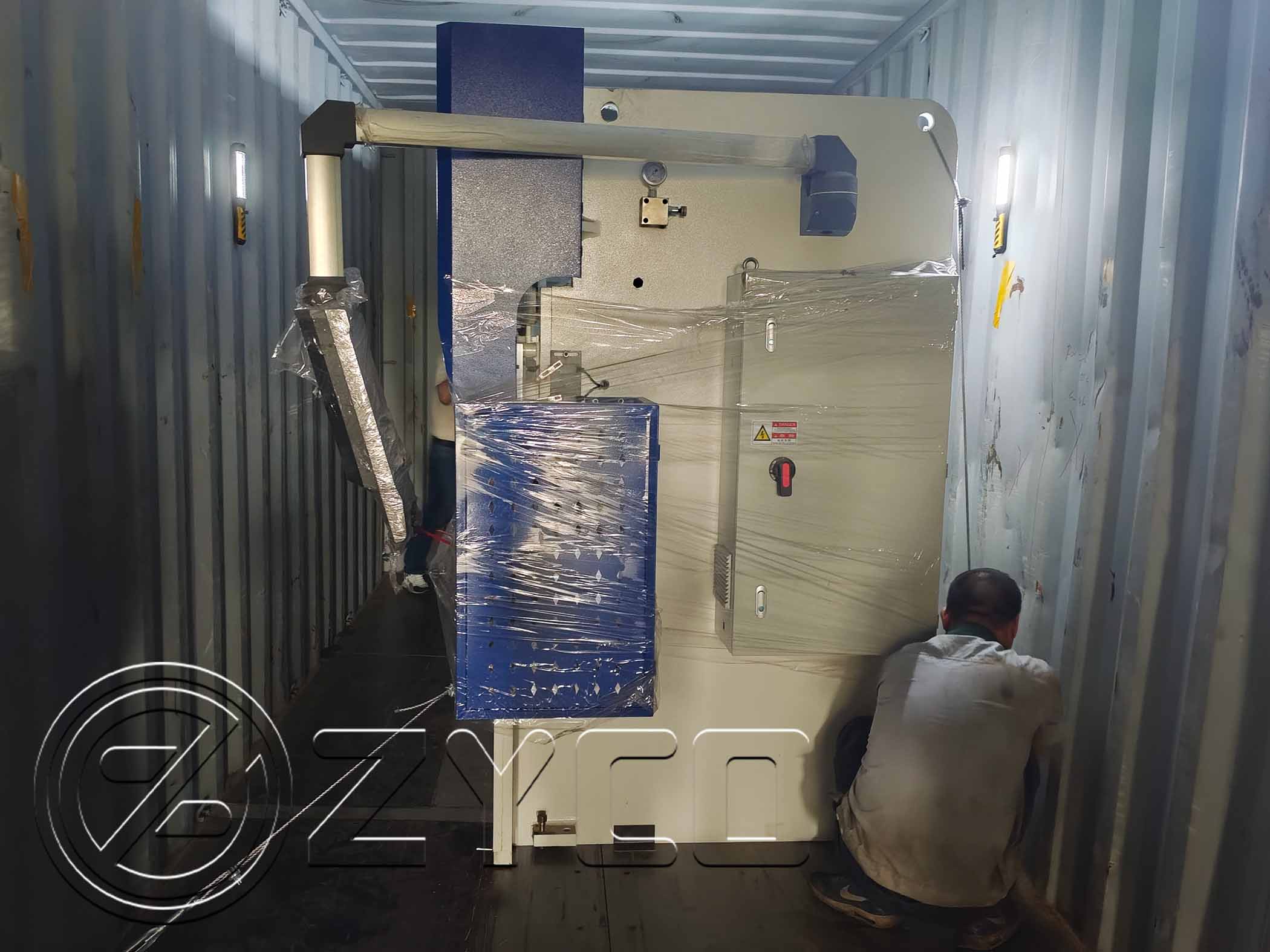
4) Workers attach angle irons to the machine and tie the wire ropes tightly to ensure that the machine will not move or tilt during transportation;

6 axis stainless steel bending machine


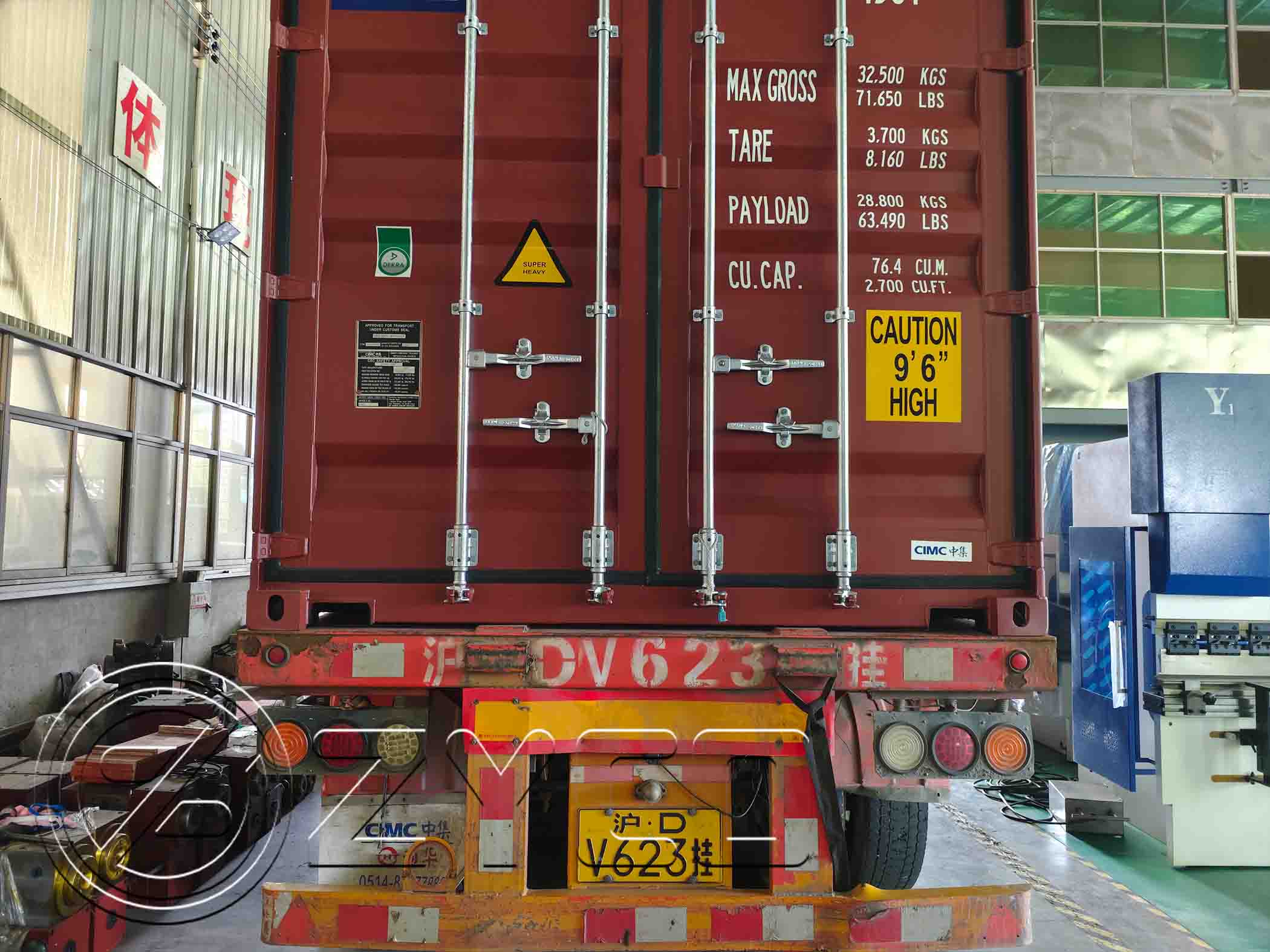
5) Close the cabinet door and lead seal it to ensure that no one else has opened it before the customer receives the machine;

Precision sheet metal bending machine


6) The truck will deliver the container to Shanghai Port, where the port will arrange for loading onto the ship and shipping by sea.


 This type of packaging and fixing method is particularly suitable for sheet metal processing equipment with heavy weight and large volume.


3. ZYCO Shipping Video


Summary

Whether it's LCL or FCL, we always prioritize the safe transportation of our machines. From packaging and loading to securing, we strictly control every step, ensuring that our customers receive their machines in perfect condition as soon as possible.


Categories
Tags