头部背景图片

How to Ensure Long-Term Stable Operation of High-Low Temperature Stepper Motors?

2025-09-08

High-low temperature stepper motors are designed to operate under extreme temperature conditions and are widely used in aerospace, medical equipment, precision instruments, and other fields. To ensure their long-term stable operation, the following aspects require attention in terms of maintenance and management:

Select the Appropriate Motor Type

When choosing a high-low temperature stepper motor, select one that suits the temperature range of the actual application environment. For example, some motors can withstand environmental temperatures ranging from -20°C to 200°C, while others can operate normally in environments from -196°C to 200°C. Choosing the right motor can reduce failures caused by temperature incompatibility.

Check Connections and Heat Dissipation

Ensure that the connections between the motor and the driver are secure and reliable, and check for loose wiring terminals. At the same time, ensure there is no accumulated dust or other obstructions around the motor to guarantee effective heat dissipation. If necessary, install fans or heat sinks to lower the motor's temperature.

Regular Maintenance and Inspection

Regularly clean and lubricate the motor to reduce friction and wear. Use metal cleaning agents to gently wipe away dust and dirt from the motor's surface, and ensure that bearings and transmission components are properly lubricated.

Prevent Overloading

Avoid subjecting the motor to loads exceeding its rated capacity. Overloading can cause the motor to overheat and become damaged. Ensure that the load remains within a reasonable range during operation and adhere to the rated load parameters provided by the manufacturer.

Calibration and Testing

Perform regular calibration and testing of the motor to ensure its precise and stable operation. Calibration may include position and speed calibration for the stepper motor.

Regularly Check for Wear and Damage

Periodically inspect all parts of the motor, including bearings, transmission belts, couplings, etc., to ensure they are intact and functioning properly. Replace worn or damaged parts in a timely manner to prevent further damage.

Choose the Appropriate Protection Rating

Select a suitable protection rating based on the severity of the application environment. For example, some motors can be customized with special protection ratings to adapt to harsh environments.

Use Special Materials and Designs

Choose motors made with special materials and designs, such as high-temperature or low-temperature resistant materials, as well as specially designed insulation and adhesives. These features help ensure stable motor operation under extreme temperatures.

Professional Technical Support

In case of any abnormalities, promptly contact professional technical personnel for assistance. Professional technical support can provide targeted solutions to ensure the long-term stable operation of the motor.

By implementing the above measures, the long-term stable operation of high-low temperature stepper motors in various environments can be effectively ensured, thereby guaranteeing the reliability and efficiency of related equipment and systems.
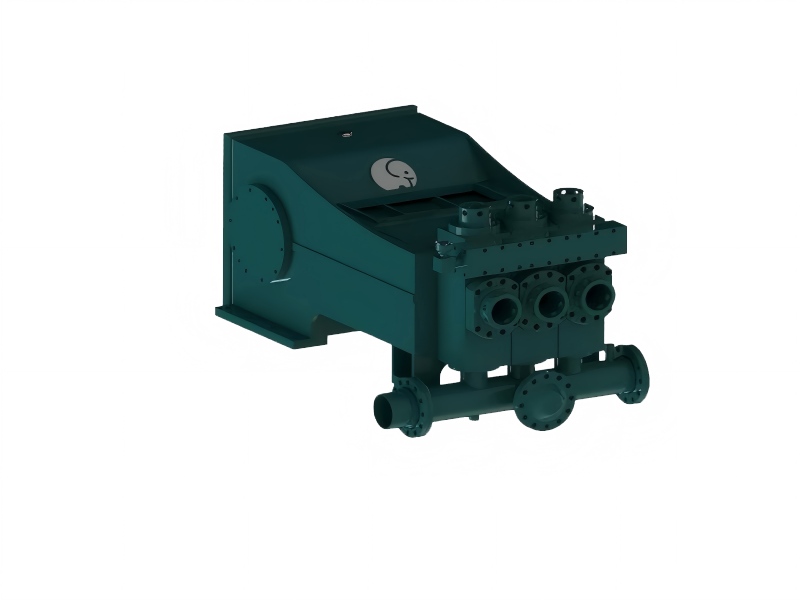
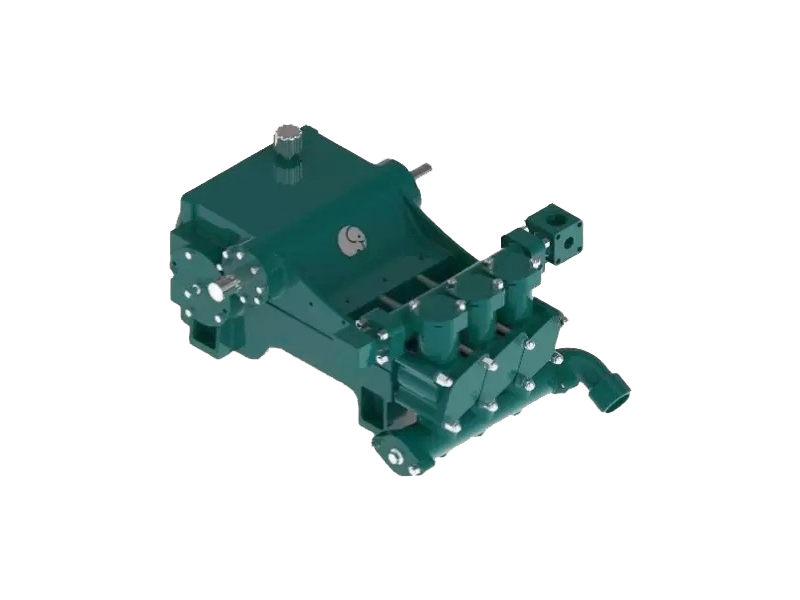
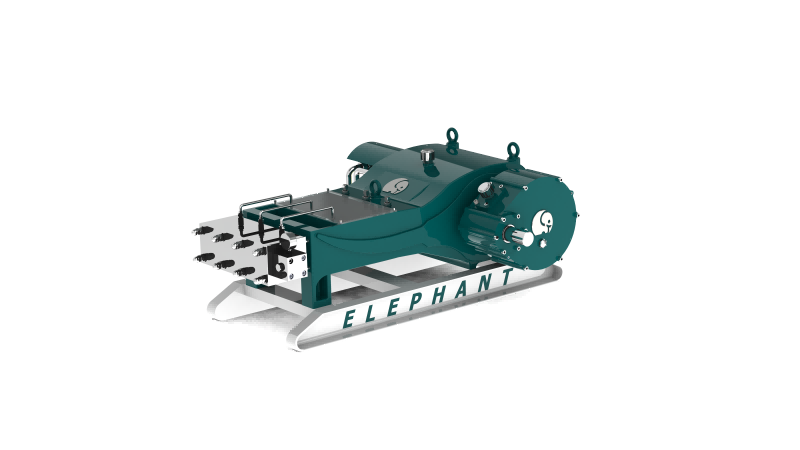
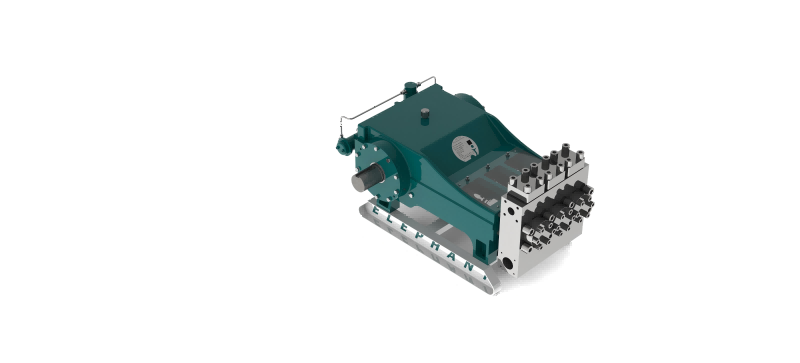
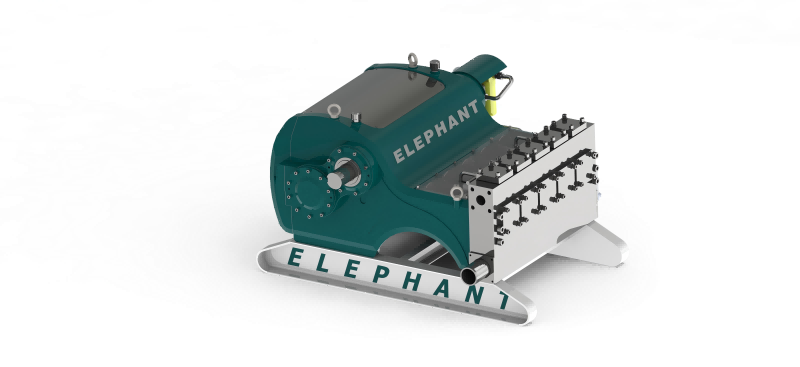
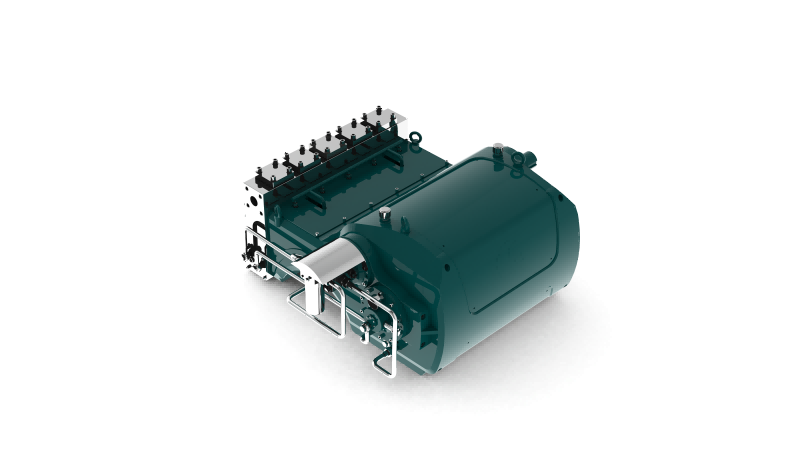
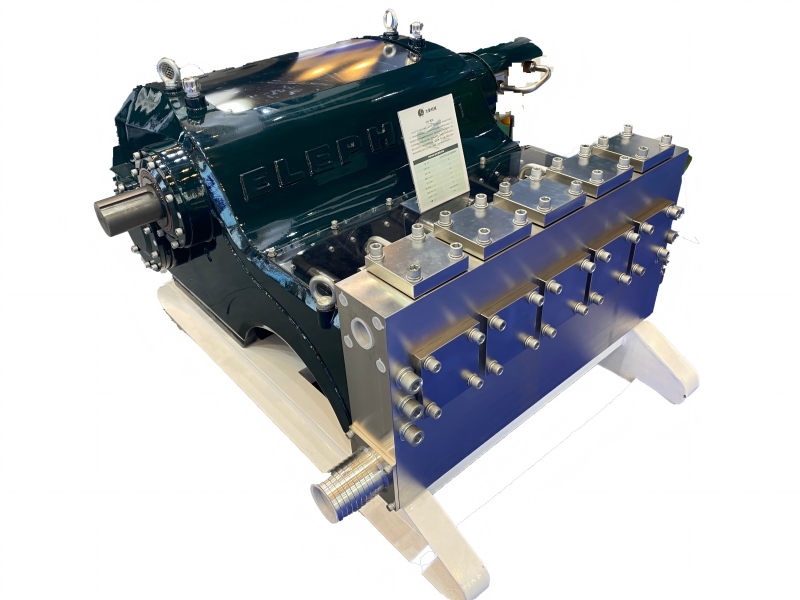
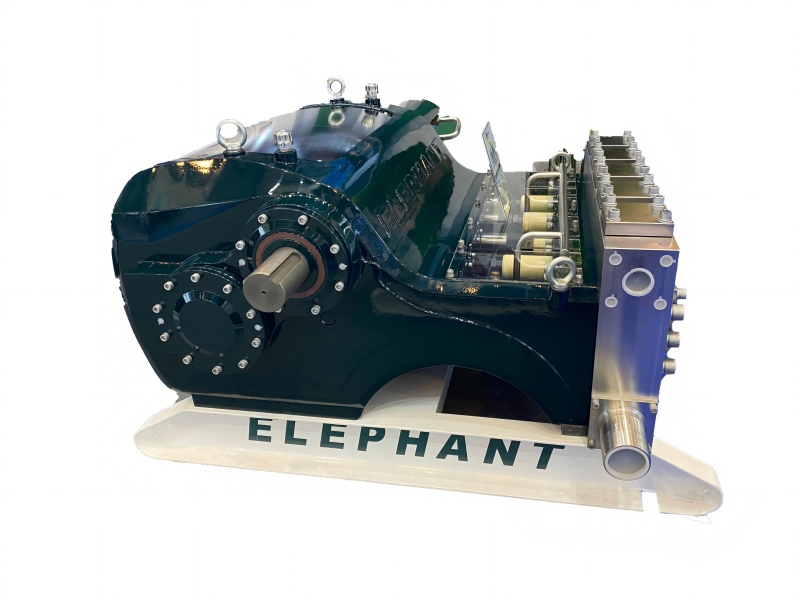
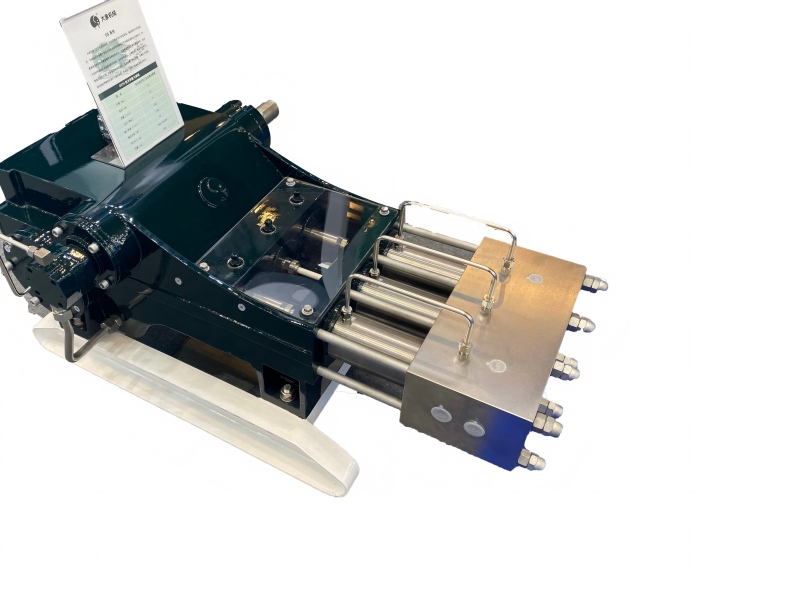
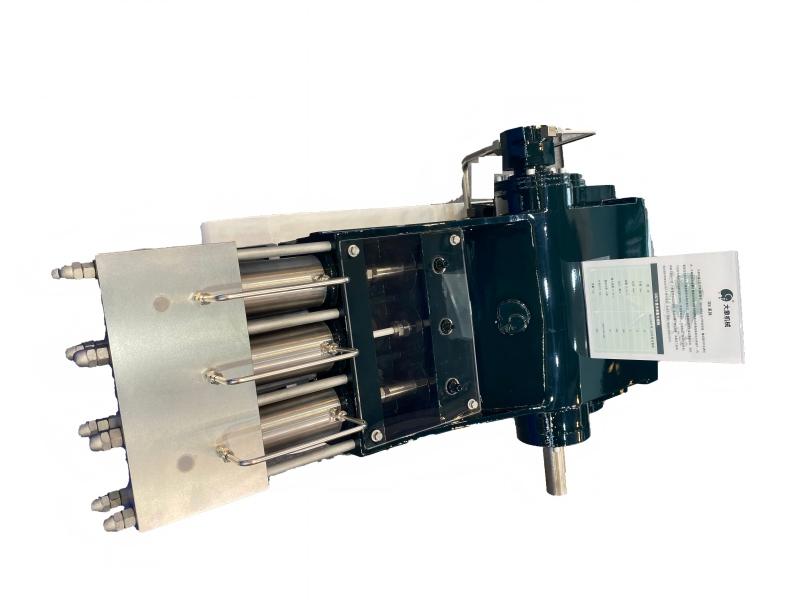
Elephant Machinery Coal Mine Tunnel Drilling Mud Pump

2025-09-05

Technical Features

  • Custom-designed to fit various machine sizes.
  • High flow rate and pressure for diverse operating conditions.
  • Utilizes a valve check valve for high volumetric efficiency and low operational noise.
  • Remote flow adjustment for safe and convenient operation.
  • Innovative design and structure with an aesthetically pleasing appearance.
  • Easy installation and maintenance.
  • Long service life of wear parts with stable performance.


Elephant Machinery Coal Mine Tunnel Drilling Mud Pump,primarily designed for use with tunnel boring machines, it accommodates diverse drilling processes and serves other applications such as grouting, mine drainage, and long-distance water delivery. By remotely adjusting the hydraulic motor flow rate to regulate output volume, it replaces traditional manual gear shifting operations, making it the optimal solution for directional drilling equipment in coal mines.

Key Specifications to Check Before Buying a Cementing Pump

2025-09-05

When purchasing cementing pump, the pump's performance parameters must be carefully verified. This is critical to ensuring the equipment operates effectively. All parameter information must meet operational requirements while also safeguarding operational efficiency and safety. Below are key points for information verification:

1. Pressure Parameters

In cementing operations, pressure parameters serve as a critical indicator for evaluating cementing pump performance. Pressure values directly impact the pump's operational capabilities, including stability, adaptability, and efficiency. The pump must generate sufficient pressure to effectively deliver cementing materials to the specified depth and location. During verification, it is also essential to assess the pump's maximum pressure capacity to ensure it meets actual operational requirements.


2. Flow Parameters

Flow parameters are also a key indicator for evaluating cementing pump performance. Flow rate directly impacts cementing operation efficiency, with maximum flow determining the total volume of cementing material the pump can deliver per unit time. During verification, it is essential to assess the pump's maximum flow capacity to ensure it meets actual operational requirements. Additionally, attention must be paid to flow stability.

3. Piston/Plunger Dimensions

Depending on the pump type (piston pump/plunger pump), the dimensions of the piston or plunger directly impact the pump's pressure and flow output capacity while also affecting overall operational efficiency. During verification, the most suitable piston/plunger dimensions must be determined based on specific operational requirements. Larger piston/plunger dimensions yield higher flow rates but lower pressure; conversely, smaller dimensions result in lower flow rates but correspondingly higher pressure. Beyond size, attention must also be paid to the wear resistance of the piston/plunger, which directly impacts equipment lifespan and maintenance costs.

4. Power Configuration

Cementing pumps require an appropriate power source for operation, typically driven by diesel engines or electric motors. The drive method and power output directly impact operational efficiency.

Diesel Engine Drive: Suitable for field operations without power supply. Generally offers higher power output but requires regular maintenance and produces noise and exhaust emissions.

Electric Motor Drive: Suitable for work environments with stable power supply. Pump operation is more stable with lower noise levels and reduced maintenance costs.

During verification, ensure the power rating matches the operational requirements.

5. Wear and Tear Conditions  

The condition of wear parts warrants close attention during cementing pump operation. Their usage and wear directly impact operational efficiency. During inspections, clearly assess the quality, wear resistance, and service life of these components to reduce maintenance costs and shorten operational cycles.


6. Safety Protection  

Given the typically harsh conditions of cementing operations, safety protection is a critical factor that cannot be overlooked during cementing pump operation. During inspections, focus should be placed on whether the pump body incorporates overload protection and emergency shutdown mechanisms to prevent equipment damage from excessive loads. The sealing performance of the cementing pump must also be rigorously verified to ensure no leakage occurs under high-pressure conditions, thereby safeguarding workplace safety and environmental compliance.

Elephant machinery cementing pumps meet all the above requirements and are equipped with an intelligent pump station system (unmanned operation, remote start/stop, data retrieval, etc.). Should you require cementing pumps, please feel free to contact us at any time. Elephant machinery is committed to providing global customers with top-tier single-pump and complete pump station solutions, and can also deliver customized solutions tailored to your specific needs!

Sustainability in Oil Extraction How Polymer Pumps Make a Difference

2025-09-05

Traditional oil extraction methods appear to run counter to the concept of sustainability. However, with the advancement of technology, innovations in polymer injection pump have opened new possibilities for sustainable oil extraction. The adoption of these innovative devices signifies that the oil industry is moving toward environmental protection and sustainability.


1. Enhancing Recovery Rates and Reducing Resource Waste

In conventional oil extraction processes, only a portion of the oil is typically recovered, with the majority remaining trapped underground. The introduction of polymer injection pumps addresses this by enhancing oil mobility, thereby significantly boosting recovery rates. This approach not only minimizes resource wastage but also extends the operational lifespan of oil wells, ultimately improving the overall recovery performance of the petroleum industry. Furthermore, utilizing polymer injection pumps for oil recovery reduces adverse environmental impacts while demonstrating the integration of modern technology with environmental stewardship.


2. Reliability and Continuity

Polymer injection pumps typically operate continuously for several years, demanding exceptionally high reliability and continuity. Ensuring reliability and continuity not only reduces the risk of operational failures but also enhances work efficiency. By optimizing internal structures and utilizing high-quality materials, this equipment maximizes energy efficiency while minimizing energy loss, providing robust technical support for sustainable oil extraction.


3. Reducing Environmental Pollution

The application of polymer injection pumps has significantly reduced environmental pollution caused by oil extraction. During pump operations, technicians can precisely control the injection volume of chemicals, thereby minimizing damage to groundwater and soil. Additionally, the equipment's reduced carbon emissions during operation further contributes to environmental protection.


4. Precise Control, Optimized Operations

Polymer injection pumps utilize advanced technologies to achieve precise control over various parameters during petroleum extraction. This precision extends beyond regulating chemical injection volumes to encompass critical indicators such as pressure and flow rate. Employing this method for oil extraction prolongs the productive lifespan of oilfields, delivering sustained economic benefits. Simultaneously, optimized operational procedures minimize the likelihood of human error, further enhancing operational safety and stability. This precise and efficient control capability provides robust support for the petroleum industry in achieving sustainable development goals.


Elephant Machinery provides professional polymer injection pump for the oil extraction industry, along with water injection pump, CO2 injection pump, chemical injection pump, and more. Our designs are flexible, ranging from open-type to fully enclosed skid-mounted configurations. We can also develop entirely new pump models tailored to specific customer requirements, ensuring every solution is the optimal and most economical choice. We welcome inquiries and orders anytime!

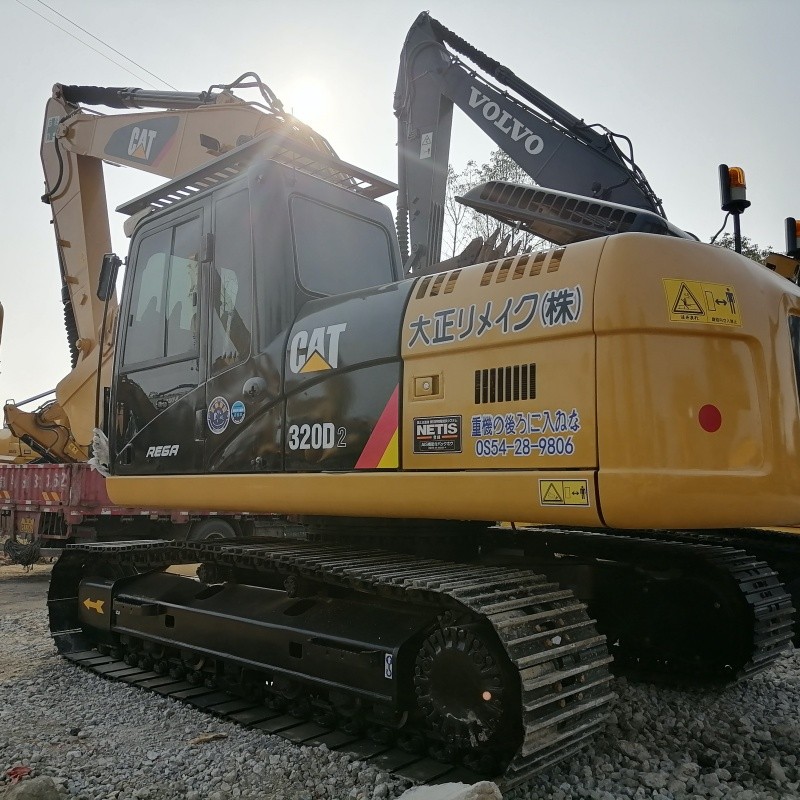
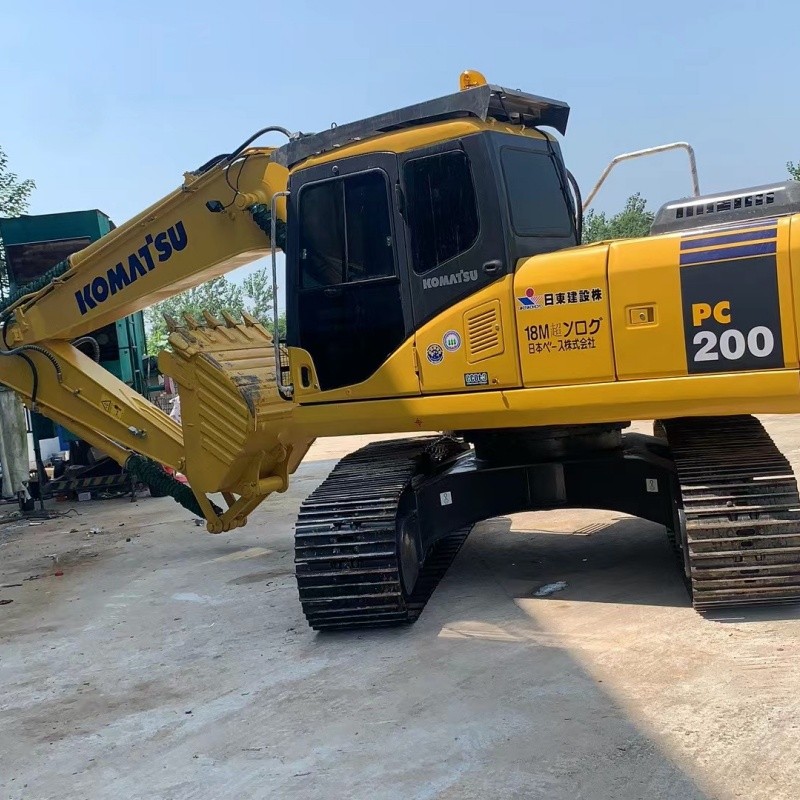
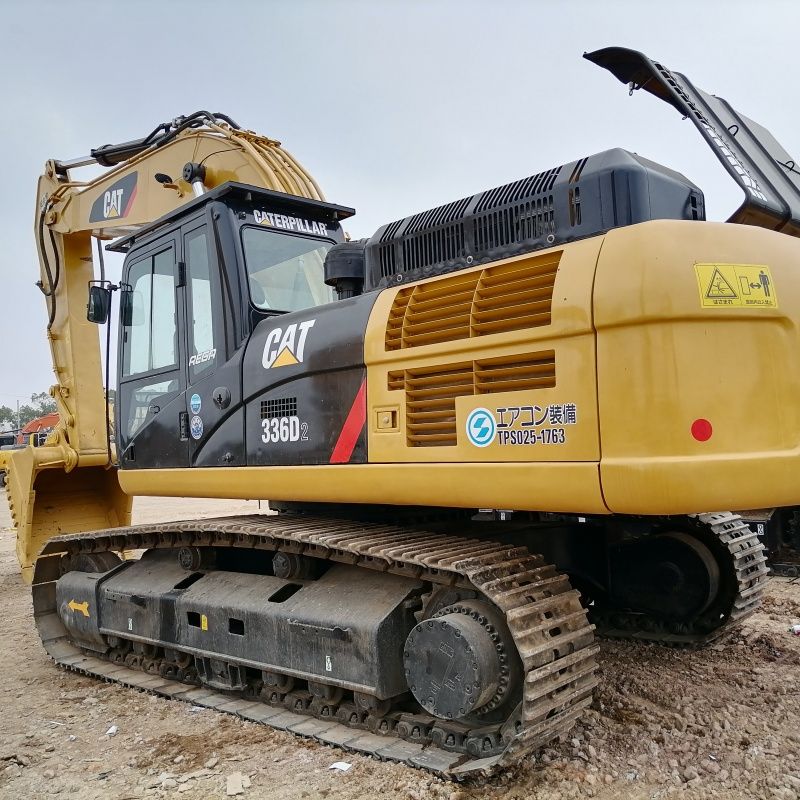
CAT 320D vs Komatsu PC200-8 Which Excavator Should You Choose?

2025-09-03

When it comes to medium-sized excavators, two of the most popular models are the Caterpillar CAT 320D and the Komatsu PC200-8. Both machines are trusted worldwide for earthmoving, roadwork, and construction projects. But how do they compare, and which one is the better choice for your business? Let’s break it down.

used cat320D

1. Engine Power and Performance

  • CAT 320D is powered by a Cat C6.4 ACERT engine, delivering around 138 kW (185 hp). It offers strong digging force and smooth hydraulic control, making it highly efficient for heavy-duty work.

  • Komatsu PC200-8 comes with a Komatsu SAA6D107E-1 engine, producing about 110 kW (148 hp). While slightly lower in horsepower, it is known for reliability and fuel efficiency.

Verdict: CAT 320D provides more horsepower and stronger digging force, ideal for demanding operations. Komatsu 200-8 offers a balance of performance and efficiency, making it suitable for general construction work.

2. Fuel Efficiency

  • CAT 320D focuses on productivity, sometimes at the expense of higher fuel consumption. However, its advanced hydraulics help optimize energy use.

  • Komatsu PC200-8 features Komatsu’s fuel-saving technology, making it one of the more economical excavators in its class.

Verdict: If fuel cost is a major concern, Komatsu PC200-8 has the edge.

3. Operator Comfort and Technology

  • CAT 320D is well-regarded for operator comfort, with spacious cabins, ergonomic controls, and reduced vibration. Advanced monitoring systems improve machine management.

  • Komatsu PC200-8 also offers a comfortable cab with low noise levels and easy-to-use controls. It includes Komtrax, Komatsu’s GPS-based tracking system, for real-time monitoring.

Verdict: Both offer modern operator-friendly features, but Komatsu’s Komtrax system provides added fleet management benefits.

4. Durability and Maintenance

  • CAT 320D is famous for durability and long service intervals. Caterpillar’s global support network makes parts and service widely available.

  • Komatsu PC200-8 is also highly reliable, with strong undercarriage and robust hydraulics. Komatsu’s support is solid, but parts availability can vary depending on the region.

Verdict: Both machines are durable, but CAT’s global parts support gives it a slight advantage.

5. Resale Value

  • CAT 320D holds higher resale value in most markets due to strong demand and brand reputation.

  • Komatsu PC200-8 also retains good value but generally slightly lower than CAT.

komatsu


Final Thoughts: Which One to Choose?

  • Choose CAT 320D if you need maximum digging power, global support, and higher resale value. It’s ideal for heavy-duty contractors who prioritize productivity.

  • Choose Komatsu PC200-8 if you want fuel efficiency, lower operating costs, and reliable performance for medium workloads. It’s a great option for contractors looking to reduce expenses while maintaining solid performance.

Both excavators are excellent choices in the 20-ton class, and the best decision depends on your project requirements, budget, and long-term fleet strategy.

Customer Testimonial!

2025-09-03

We recently received a heartfelt review from afar. Though we are separated by great distance, it does not hinder our sincere mutual well-wishes!

Firstly, its advanced hydraulic control system performs excellently, operating more smoothly and with greater precision than any comparable model we have tested. Even under complex working conditions, the equipment maintains stable efficiency, providing strong support for the smooth progress of our projects.


Secondly, the humanized cab design is truly commendable. The equipped air conditioning system offers operators a comfortable working environment in high-temperature conditions, which is crucial for our prolonged outdoor operations during the summer. The excellent working environment not only enhances productivity but also reflects your company's human-centric care for operators.


Our management ultimately decided to purchase your equipment in bulk precisely because they valued your company's professional and pragmatic work attitude as well as your commitment ,This batch of equipment will be used for our upcoming major infrastructure projects. We are confident that with its exceptional reliability, outstanding efficiency, and advanced features, it will become the backbone of our project construction.


We look forward to establishing a long-term strategic partnership with your company, working together to contribute to the thriving construction industry here. We also wish your company continued growth and success, and we anticipate achieving even greater accomplishments in our future cooperation!


How to Check If an Excavator Engine Is in Good Condition?

2025-09-03

When buying a used excavator, one of the most important factors to inspect is the engine condition. The engine is the heart of any excavator, and a poor-quality engine can lead to costly repairs, downtime, and low efficiency on site. Whether you are purchasing for a project in Africa, Asia, or the Middle East, knowing how to assess the excavator’s engine will help you make the right decision.

In this blog, we will guide you through the key steps to evaluate if an excavator engine is in good working order before buying.


Second hand excavators


1. Check for Engine Start-up Performance

A healthy engine should start smoothly without excessive cranking. Warning signs include: 

Hard starting, especially in warm weather.

Excessive smoke at start-up.

Unusual knocking or rattling sounds.

Tip: Always request a cold start test. This shows how the excavator performs when the engine has been sitting idle for hours.


2. Observe Exhaust Smoke Color

Exhaust smoke can reveal much about the condition of the engine:

Blue smoke → burning oil (possible worn piston rings or valve seals).

Black smoke → incomplete fuel combustion (possible injector or turbo issues).

White smoke → coolant leakage or head gasket problem.

 Healthy engines should produce little to no smoke after warming up.


3. Listen for Unusual Noises

Engines in good condition should run smoothly. Be cautious of:

Knocking sounds → may indicate worn bearings or piston issues.

Tapping sounds → possible valve or injector problems.

Grinding noises → potential timing gear or accessory failure.


4. Inspect Engine Oil & Hydraulic Fluid

Check the engine oil color – dark black oil may indicate overdue service, while milky oil could mean coolant leakage.

Inspect hydraulic oil – low or dirty fluid can affect both the engine and overall excavator performance.

Regular maintenance history is a good sign of a well-kept machine.


5. Review Engine Hours vs. Machine Condition

Excavator engines are built for long life, but:

Over 10,000 hours may require major inspection.

Compare machine condition with hour meter reading – if it looks heavily worn but shows low hours, it may be tampered.


6. Test Engine Power Under Load

Ask the seller to operate the excavator under real working conditions:

Digging or lifting heavy loads.

Swinging the boom while tracking.

The engine should maintain steady power without stalling or producing excessive smoke.


7. Verify Service Records & Engine Brand

A reliable service history is the best proof of maintenance.
Also, confirm the engine model – brands like Cummins, Isuzu, Mitsubishi, and Hyundai engines are known for durability and easy parts availability in African markets.


Conclusion

Inspecting an excavator engine is essential before purchase. By checking start-up performance, exhaust smoke, unusual noises, oil condition, operating power, and service history, you can avoid costly mistakes and ensure you are buying a reliable excavator for your construction project.

For buyers in Africa and worldwide, investing in the right machine with a strong engine means higher productivity and lower maintenance costs.


The Epic Ancestry of Steel Giants From Primitive Bone Shovels to Hydraulic Titans!

2025-09-03

When a modern excavator effortlessly scoops 5 tons of earth, its steel arm channels not just raw power—but a million generations of human ingenuity in our ancient struggle with the land. Join us as we unveil the legendary ancestors that reshaped our planet's contours!


Chapter 1: Genesis – Muscles and Levers (4000 BC – 1700 AD)

1.1 The Original "Excavators" – Human Hands

Primitive Era: Clam shells as shovels, animal bones as picks

Egyptian Marvel: 100,000 workers hand-dug the Pyramids of Giza (moving 2.5-ton stones = 1.5 hours of work for a modern 20-ton excavator)


1.2 Dawn of Leverage Civilization

Warring States Period : Earliest mechanical digging apparatus

Archimedes' famous boast: Warship-moving experiments demonstrating lever principles


Chapter 2: Steam Age – Iron Behemoths in Smoke (1780-1912)

2.1 Game-Changing Milestone


1829 Patent: William Otis' steam-powered rail-mounted excavator


Efficiency Revolution: Daily output = 200 laborers (still required 6 operators)


2.2 Transcontinental Engineering Saga

Panama Canal Project (1881):


Note: 30,000 workers died from yellow fever – underscoring machinery's humanitarian value


Chapter 3: Internal Combustion Revolution – Awakening of Petroleum Bloodline (1914-1945)

3.1 War-Driven Evolution

 WWI trench-digging demands → Birth of track-mounted gasoline excavators

Key breakthrough: Hydraulic pilot controls replace mechanical linkages (reducing operating force by 90%)


3.2 Explosion of Iron Species


Model Milestone Modern Descendant

1923 Bucyrus First 360° rotating excavator Caterpillar slewing base

1935 Lorain Hydraulic backhoe patent Komatsu PC backhoe design

Chapter 4: Hydraulic Era – Micron-Level Precision (1948-Present)

4.1 French Genius

1948 Poclain invents fully hydraulic excavator

300% increase in power transmission efficiency

Enabled compound movements (modern machines control 7 cylinders simultaneously)


4.2 The Renaissance Philosophy of Used Machinery

At Lianyan Machinery's Refurbishment Center, we rebirth legends:

1950s-era steel arms: Laser-calibrated to 0.05mm valve spool precision

1978 Caterpillar's first hydraulic unit: 40% fuel reduction via electronic upgrades


The Importance of Buying a Used Excavator .

2025-09-03

When planning a construction project, one of the biggest investments is equipment. Excavators are essential machines for digging, lifting, and earthmoving tasks. However, purchasing a brand-new machine can put a heavy strain on your budget. This is why many contractors and businesses choose to buy a used excavator for sale, as it offers both affordability and reliability.


1. Cost-Effective Investment

Buying a used construction excavator is far more affordable than purchasing new. Instead of spending a large sum upfront, you can acquire a reliable second-hand excavator at a fraction of the cost. This means you can use your budget more wisely—whether that’s buying additional equipment, hiring more workers, or expanding your operations.

2. Faster Return on Investment (ROI)

A second-hand excavator pays for itself much faster than a new one. Since your initial cost is lower, your projects start generating profits quickly. This is especially beneficial for small to mid-sized contractors who want to grow without heavy debt.

3. Proven Reliability and Performance

High-quality used excavators are built to last and can perform almost as efficiently as new machines. Many suppliers provide detailed inspection reports, maintenance records, and even limited warranties. When buying from a trusted seller, you can be confident that your excavator is reliable and ready to work.

4. Wide Selection and Quick Availability

The used excavator market offers a broad range of models and sizes, allowing you to find the right machine for your project needs. Unlike new equipment that may require long waiting times, used machinery is often ready for immediate delivery, saving valuable time on urgent projects.

5. Lower Depreciation

Just like cars, new heavy machinery loses value quickly in the first few years. By choosing a used excavator, you avoid the steepest depreciation curve. This also means that if you decide to sell or upgrade in the future, your machine will retain more resale value.

6. Eco-Friendly and Sustainable

Buying a used construction machine helps reduce environmental impact. Instead of manufacturing a brand-new excavator, reusing and extending the life of existing equipment conserves resources and reduces waste. This makes it not only a cost-effective choice but also a responsible one.

used excavator


FAQ: Quality and Payment Considerations for Used Excavators

1. What should I check before buying a used excavator?

When buying a used excavator for sale, always inspect the machine’s engine, hydraulic system, undercarriage, and overall wear. Request a complete maintenance history and ensure there are no leaks, cracks, or unusual noises. A reliable supplier should provide a pre-shipment inspection report.

2. How do I ensure the quality of a second-hand excavator?

To guarantee quality, buy from reputable used excavator suppliers who offer warranties or after-sales service. Check working hours, ask for inspection videos, and confirm the machine has been regularly serviced. A well-maintained used construction excavator can work as efficiently as a new one.

3. What payment methods are safest for used construction machinery?

Always use secure and traceable payment methods such as bank transfer (T/T), letter of credit (L/C), or escrow. Avoid cash payments for large amounts. Ensure the sales contract clearly states the warranty terms, delivery timeline, and after-sales support to protect your investment.

4. Is it safe to buy a used excavator from overseas?

Yes—provided you work with an experienced exporter. Trusted suppliers usually have certifications, verified business licenses, and customer reviews. They also conduct two pre-shipment inspections and offer payment protection options to ensure transaction safety.

5. How can I get the best value when buying used excavators?

Compare machine prices, hours worked, and overall condition. Sometimes a slightly newer affordable used excavator with lower working hours offers better long-term value. Balancing cost and quality ensures you make the smartest purchase.


Final Thoughts

Purchasing a used excavator for sale is not just a way to save money—it’s a strategic business move. From lower costs and faster ROI to proven performance and environmental benefits, a used machine can deliver everything you need for your projects.

By paying attention to quality checks and secure payment methods, you protect your investment and ensure long-term success. With the right supplier, buying a second-hand excavator becomes a safe, reliable, and profitable choice for contractors and construction companies worldwide.

The Secret Behind Excavator Arms' Herculean Strength How Hydraulics Lift 2 Sedans?

2025-09-03

When a 20-ton steel arm effortlessly hoists a loaded pickup truck, it's not just mechanical power at work—but a symphony of hydraulic alchemy. Today we reveal how refurbished excavators maintain their earthmoving might!


1. Source of Power: Pascal's Law in Industrial Revolution

"Give me a fulcrum, and I shall move the world" — Archimedes' wisdom finds new expression in hydraulics:

Force = Oil Pressure × Piston Area


2. Guardians of Refurbished Power

Time wears steel, but scientific restoration resurrects strength

At our Hefei Refurbishment Center, we subjected a 2008 Komatsu PC200-8 to extreme testing:


3. The Art of Strength: Where Power Meets PrecisionThink excavators only deliver brute force? Witness their "mechanical ballet":


Surgical Precision

 Cracking eggshells with a breaker hammer (yolk intact)

Achieving millimeter control via proportional solenoid valves


Intelligent Power

Pressure sensors preventing overloads in real-time

Cushioning technology eliminating impact shocks


4. Buyer's Strength Diagnostic Guide

Three field tests to verify performance:

Lift Endurance Test

Raise rated load to maximum height → Lock controls

Pass standard: <3° arm drop in 10 minutes (measured with inclinometer)

 Compound Motion Challenge

Simultaneously operate boom/stick/swing (trace ∞-shaped path)

Monitor movement fluidity → Listen for pump abnormalities


"We restore not just machines, but earthmoving strength you can entrust your projects to."


Categories
Tags