In today’s competitive manufacturing landscape, precision metal stamping has become a critical technology for producing high-quality, cost-effective components. From electrical terminals to display accessories, stamped metal parts are widely used across industries such as automotive, electronics, and retail equipment.
This article explores the key applications, advantages, and supplier selection strategies for precision metal stamping components.
What Is Precision Metal Stamping
Precision metal stamping is a manufacturing process that uses dies and high-tonnage presses to shape metal sheets into specific forms. It enables the production of complex parts with high consistency and tight tolerances, making it ideal for mass production.
Modern stamping technology often integrates CNC systems, improving accuracy, efficiency, and repeatability.
Key Applications of Metal Stamping Components
1. Electrical Terminals
Metal stamping terminals are essential in electrical systems. They ensure stable current transmission and reliable connections in automotive wiring, home appliances, and industrial equipment.
Their advantages include:
High conductivity
Stable performance
Long service life
2. Display Accessories
Galvanized steel display accessories are widely used in retail environments, including shelves, racks, and brackets.
Key benefits:
Excellent corrosion resistance
Strong load-bearing capacity
Cost-effective for long-term use
Galvanized materials like DX53D+Z or SGCC are commonly used to enhance durability and extend product lifespan.
3. Industrial and Structural Parts
Metal stamping is also used in:
Automotive components
Motor housings
Electronic enclosures
These parts require high precision and consistency to ensure system reliability.
Why Metal Stamping Is a Smart Investment
Metal stamping continues to grow due to its efficiency and scalability. Industries such as automotive and electronics heavily rely on stamped components for large-scale production.
Main advantages include:
High efficiency: Suitable for mass production
Cost reduction: Lower unit cost at scale
Consistency: Uniform quality across batches
Material utilization: Reduced waste
How to Choose a Reliable Metal Stamping Manufacturer
Selecting the right supplier is crucial for project success. Key factors to consider include:
1. Material Quality
High-quality materials ensure durability and corrosion resistance.
2. Precision Capability
Advanced tooling and CNC integration allow tighter tolerances and complex designs.
3. Customization Ability
OEM/ODM services are essential for meeting specific project requirements.
4. Production Capacity
A manufacturer with multiple tonnage presses can handle diverse product demands efficiently.
5. Service and Reliability
Fast delivery, technical support, and stable cooperation are key to long-term partnerships.
Precision metal stamping plays a vital role in modern manufacturing, offering unmatched efficiency, accuracy, and scalability. Whether it’s electrical terminals, display accessories, or structural components, choosing the right stamping solution and supplier can significantly enhance product performance and reduce costs.
If you would like to learn more, please visit our website:www.jxprecise.com
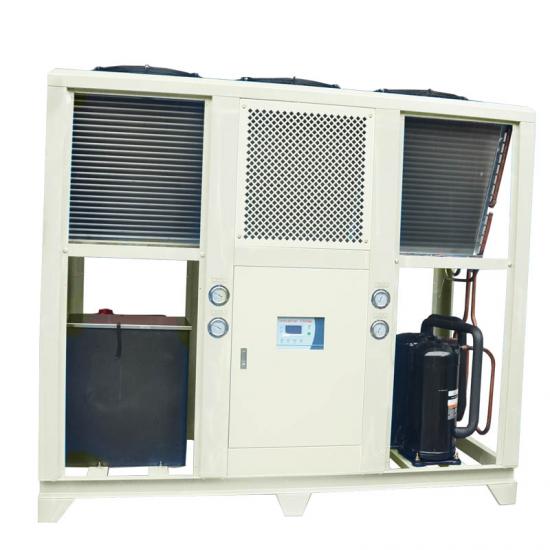
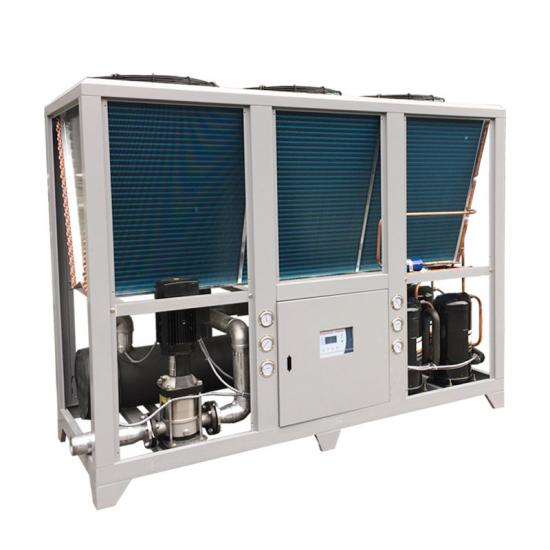
You want a cooling system that is smart and easy. Scroll chillers give you this benefit. They use special scroll compressors for good cooling. You can use them in stores, factories, or homes. Scroll chillers use less energy than old chillers. This means your energy bills are lower. They are small and quiet, so they fit in many places. These chillers also help the environment. They use safe refrigerants. If you want steady and reliable cooling, scroll chillers are a simple choice.
Key Takeaways
Scroll chillers use less energy. This helps you save money each month. They give steady cooling that you can count on.
These chillers use refrigerants that are good for the environment. This lowers your carbon footprint. It helps you reach environmental goals.
Scroll chillers have fewer parts that move. This means you pay less for maintenance. There are fewer chances for them to break down.
Their small size makes them easy to install. They fit well in tight spaces. This makes them great for many places.
The controls are easy to use. You can run scroll chillers without trouble. This makes managing your cooling system simple.
Energy Efficiency of Scroll Chillers
Lower Operating Costs
You want to save money on your building’s energy bills. Scroll chillers help you do that. These chillers use a special design that gives you high efficiency and steady performance. You get more cooling with less power. This means you spend less each month.
Scroll chillers reach over 95% volumetric efficiency. Their continuous compression process keeps gas from leaking out, so you get more cooling for every dollar you spend.
The coefficient of performance (COP) for scroll chillers is 10 to 15 percent higher than what you get from reciprocating chillers. You get more cooling output for the same amount of energy.
When your building does not need full cooling, scroll chillers still work well. At partial loads, they can reach an energy efficiency ratio (EER) of 4.2 to 4.8. Reciprocating chillers usually stay below 4.0.
Scroll chillers support frequency conversion. This means they adjust their output to match your needs. You avoid wasting energy when you do not need full power.
The simple structure of scroll chillers means you pay 15% to 20% less for yearly maintenance compared to reciprocating chillers.
You can see these savings in real-world products. For example, the Lennox Powered by Samsung Varix modular heat-pump chiller has an EER rating of up to 11.54. The Daikin Applied Trailblazer AGZ-F air-cooled scroll chiller reaches an EER of up to 11.13 and an IPLV rating of up to 17. These numbers show you how much energy efficiency you can expect.
Tip: When you choose scroll chillers, you lower your operating costs and get reliable cooling all year long.
Eco-Friendly Cooling
You care about the environment. Scroll chillers help you protect it. Many chillers now use new refrigerants that have a much lower impact on the planet. Older chillers used R-410A, which has a high global warming potential (GWP). Newer scroll chillers use R-32 and R-454B. These refrigerants have much lower GWP values. R-32 has a GWP of 675, and R-454B drops even lower to 467. This change means you help reduce greenhouse gas emissions.
Carrier, a leading brand, chose R-32 for its commercial scroll chillers. This move cuts the refrigerant carbon footprint by 80% compared to older systems. You get high efficiency and strong cooling, but you also help the planet.
Here is how scroll chillers compare in large buildings:
You can trust scroll chillers to give you energy efficiency and eco-friendly cooling. You save money, use less energy, and help the environment at the same time.
Reliability and Low Maintenance
Fewer Moving Parts
You want a cooling system that works when you need it. Scroll chillers give you that peace of mind. These chillers use a simple design with fewer moving parts than other types. This means less can go wrong. You do not have to worry about frequent breakdowns or complicated repairs.
You get easy maintenance because the scroll compressor has fewer parts to wear out. You save time and money on service calls. Compared to screw chillers, you spend less on upkeep. Screw chillers have a complex design, so they need more attention and cost more to maintain. With scroll chillers, you enjoy reliable operation and fewer surprises.
Here is how different chillers compare for maintenance and lifespan:
Scroll chillers need minimal maintenance.
Screw chillers require more frequent and costly service.
Tip: Choose scroll chillers if you want a system that runs smoothly and keeps maintenance simple.
Consistent Temperature Control
You want steady cooling in every season. Scroll chillers deliver this with ease. Their design keeps the temperature stable, even when your building’s needs change. You do not have to worry about hot spots or sudden drops in cooling.
Scroll chillers adjust quickly to changes in demand. This means your equipment, products, or people stay comfortable and safe. You get reliable operation in all conditions, from hot summer days to cooler months. When you pick scroll chillers, you choose a system that keeps your space at the right temperature, every time.
Quiet and Compact Chiller Design
Noise Reduction Benefits
You want your space to be calm and quiet. Scroll chillers help you keep things peaceful. These chillers do not make much noise when they run. You will not hear loud machines in your office or school. Small scroll chillers make about 50 to 60 decibels of noise. This is as loud as people talking. Bigger scroll chillers for factories are still not very loud. They make about 70 to 80 decibels of noise. This is quieter than many other chillers.
Scroll chillers are better than reciprocating chillers for noise. They have fewer moving parts, so they do not shake or make extra sounds. This makes them great for places where quiet is important.
Chiller Type
Noise Level (dB)
Scroll Chiller
Generally quieter due to fewer moving parts and smoother operation
Reciprocating Chiller
Higher mechanical noise and vibration due to more moving parts
Scroll chillers work well in places that need quiet.
You get cool air without loud noises from machines.
Tip: Pick scroll chillers if you want a quiet and cool place to work.
Space-Saving Installation
Sometimes you do not have much room for big machines. Scroll chillers are small and fit in tight spaces. You can put them in small rooms, on rooftops, or in corners. They do not need a lot of space.
Scroll chillers are small, so they fit where space is tight.
Screw chillers are bigger and used for heavy jobs.
Scroll chillers have a simple design with fewer parts to fix.
You save space and keep your building neat. There is less mess and more room for other things. You also do not have to fix them often because they are simple and strong.
Note: A small chiller gives you more space for other equipment and helps keep things tidy.
When you choose scroll chillers, you get quiet cooling and save space. Your building is more comfortable and works better with this smart choice.
Easy Setup and User-Friendly Controls
Simple Installation
You want a system that is quick to set up. Scroll chillers are easy to install. They are small, so you can put them in tight spots. You do not need big machines or hard steps. Most scroll chillers come ready to use, so you can start cooling fast.
When you put in chillers, you might have some problems. Here are the main ones:
New technology can change how much installation costs and what you need to do.
You need trained workers to keep the system working well.
Your team needs training for an easy setup.
You can stop delays by picking chillers with clear guides and help. Many brands give you training and instructions for your team. This helps you get your cooling system running with less worry.
Tip: Pick scroll chillers for a quick and easy setup. You save time and money right away.
Intuitive Operation
You want to use your chillers without any trouble. Scroll chillers have controls that are simple to use. You can check and change settings from anywhere. The dashboard shows important info with easy-to-read widgets. Four access levels keep your system safe and simple to handle.
You also get features like alarm logs, backup restore, and live checks. These tools help you find problems early and keep cooling steady. The programming tools are easy, so anyone on your team can use them. You get lots of help with guides and training.
Here is how scroll chillers and screw chillers compare for controls and upkeep:
Feature
Scroll Chillers
Screw Chillers
Control Complexity
Lower complexity
Higher complexity
Maintenance Frequency
Less frequent needed
More frequent required
Cost
Generally lower costs
Higher costs
You get a system that is simple to use and take care of. Scroll chillers help your building run well and keep cooling steady. Make the smart choice and enjoy easy, stress-free cooling.
Scroll Chillers vs. Other Chillers
Scroll vs. Screw Chillers
You want good cooling for your building. Both scroll chillers and screw chillers work well. But scroll chillers have some clear benefits. Look at this table to see how they are different:
Aspect
Screw Chiller
Scroll Chiller
Efficiency
0.5 kW/ton
0.6 kW/ton
Capacity Range
100-2,000 tons
10-200 tons
Noise Level
Low
Moderate
Initial Cost
Higher
Lower
Maintenance Needs
Moderate
Low
Scroll chillers cost less to buy and fix. You save money now and later. Screw chillers are best for very big buildings. Scroll chillers fit better in smaller places. You get steady cooling and do not pay extra.
Tip: Pick scroll chillers if you want lower costs and easy care for small or medium buildings.
Scroll vs. Reciprocating Chillers
You want to save energy and have smooth cooling. Scroll chillers are better than reciprocating chillers in many ways:
Scroll chillers have a Coefficient of Performance (COP) from 4.9 to 5.9. You get more cooling with less energy.
Scroll chillers work well from 20 to 200 tons. You can use them in many places.
Scroll compressors run smoother than reciprocating ones. You get less shaking and more steady cooling.
Scroll chillers need less fixing. You spend less time and money on repairs.
Scroll chillers are small and strong. They fit in tight spots and keep your building cool.
Scroll chillers give you better efficiency and are easier to use. Reciprocating chillers do not work as well for small loads.
Best Applications for Scroll Chillers
You want chillers that match your needs. Scroll chillers work great in many places:
Variable speed scroll chillers are good for offices, schools, and stores. You get flexible cooling and easy control with building systems.
Scroll chillers are great for data centers. They keep equipment safe with steady cooling and save energy.
Factories use scroll chillers for strong and efficient cooling. You get good performance and low upkeep.
Data centers need high-efficiency cooling. Scroll chillers keep servers safe and energy bills low.
Malls and office buildings use scroll chillers for air conditioning. You get comfort and help the environment.
Data centers like scroll chillers because they control temperature well and are easy to check.
You get the best results when you pick scroll chillers for data centers, commercial buildings, and factories. They are flexible and efficient, so they are a smart choice for many uses.
You want a cooling system that is smart and easy to use. Scroll chillers are special because they give you:
Quiet and smooth running with less parts that move
Better energy use and speeds that can change
Reliable cooling for any kind of place
You help the earth when you pick a system that uses less energy and makes less pollution. More people are choosing scroll chillers, so the market is getting bigger. Make a good choice. Choose scroll chillers for simple, steady, and earth-friendly cooling.
FAQ
What makes scroll chillers better than other cooling systems?
You get higher efficiency, quieter operation, and lower maintenance. Scroll chillers use fewer moving parts. You save money and enjoy steady cooling. Choose scroll chillers for a smart upgrade.
Can I use scroll chillers in small spaces?
Yes! Scroll chillers have a compact design. You can fit them in tight spots, rooftops, or corners. You keep your building neat and save valuable space.
How do scroll chillers help the environment?
You help the planet by choosing scroll chillers. They use eco-friendly refrigerants and consume less energy. This reduces your carbon footprint and supports green building goals.
Are scroll chillers easy to control?
You get user-friendly controls with scroll chillers. The dashboard is simple. You can check and adjust settings quickly. This makes operation stress-free for you and your team.
How long do scroll chillers last?
Scroll chillers last many years with proper care. You enjoy reliable performance and fewer breakdowns. Regular maintenance keeps your system running smoothly.
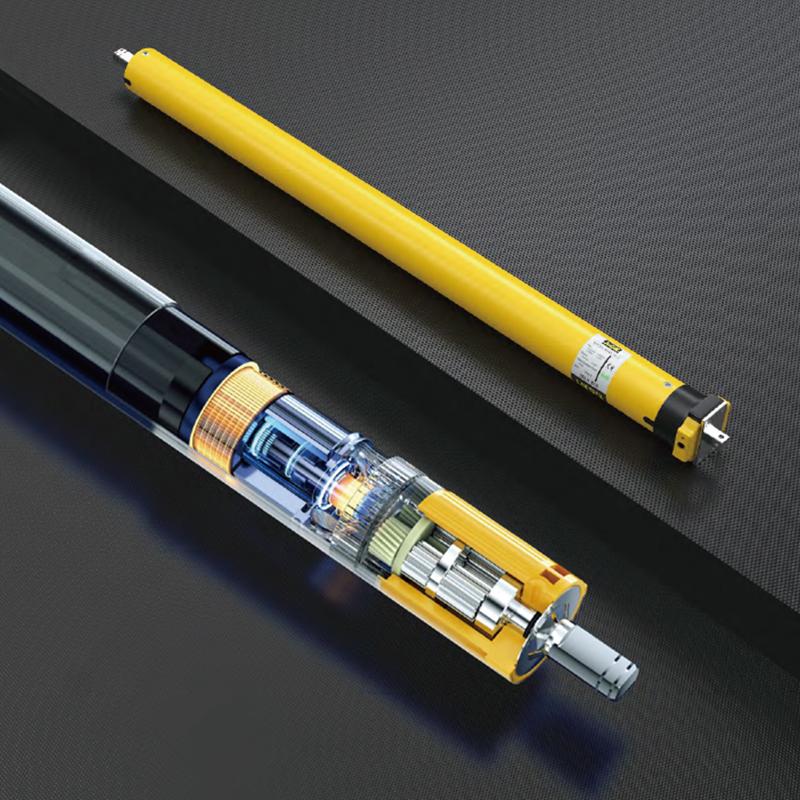
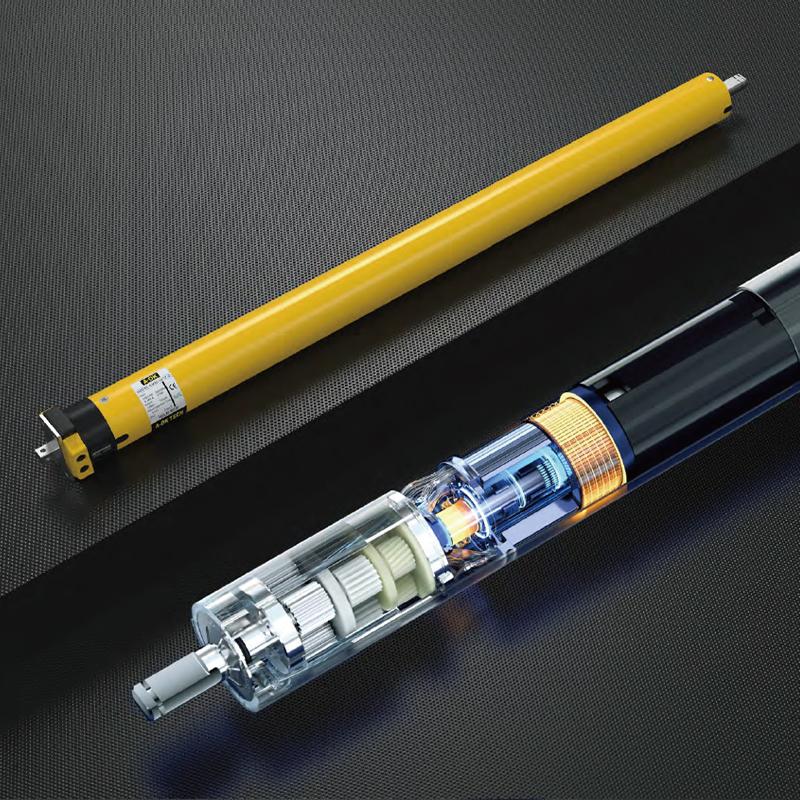
A tubular motor is a type or form of motor that is primarily rectangular or tubular in size and is typically used to move door and window coverings more gently and precisely.These tubular motors consist of a soft brake and an electric drive and provide an integrated slow speed, thus ensuring a soft top of the shutter.
This type of instrument can keep every window and door closed, also can reduce the noise generation, and at the same time can further reduce the bad frequency of windows and doors to increase their service life.Tubular motors can be divided into AC Tubular motor and DC Tubular Motor functionally.Tubular motors offer great range and value for money, and also offer efficient performance along with quality and reliability.They are used in various applications for interior (blind/curtain coverings), exterior (awnings), roller blinds, etc.
Tubular motors sometimes also contain a built-in radio receiver and can be operated by remote control to provide easy operation and a gentle process.They are available with a 1.5m cable and push-in connector, or with a wall mount bracket.These motors have a wide range of accessories allowing a variety of installations in common pipes.
Some applications where tubular motors can be used include roller blinds, blinds, awnings, roller blinds, roller doors, lifting clothes racks, projection screens, and more.Additionally, tubular motors are available in different applications with rated output power from less than 100W to greater than 500W, depending on speed and capacity load.
The advantages of tubular motors such as high speed, low cost, high torque, and high power drive the demand for this product from manufacturers and end users.Additionally, some other factors such as variable speed advantages of adjustable speed governors, modern pulse technology, line voltage, etc. are driving the global tubular motor market.
On the other hand, short product life due to motor commutators, regular maintenance, etc. are some of the factors restraining the growth and demand of the tubular motor market.
Furthermore, some characteristics of tubular motors such as high vibration, high noise received at high speed, and high price of raw materials used for core manufacturing are also restraining the market during the forecast period.In contrast, increasing emphasis on the integration of renewable energy sources to generate electricity is a trend in the general motor market.
As smart homes become more and more popular, electric window openers have entered people's lives with their features such as easy installation and simple control. However, most of the window drives currently on the market are insufficient in safety and stability, and are prone to a series of problems such as loud noise and insufficient opening and closing torque after long-term use, which makes the user experience poor in the process of using the window drive.
Based on consumer research and market demand survey, A-OK has launched a solution for window drive motors. This solution is based on A-OK's years of research experience in the field of micro-drives, and adopts a more sophisticated clutch structure, which makes the drive more stable and safe.
Our drive motors are designed to minimize damage from rain, snow and sunlight. The motor is easy to install and disassemble, and it is a very practical tool. Electronic double-chain motors are widely used in electric sliding windows, casement windows, skylights, etc., especially suitable for high places where manual operation is difficult, and are used in conjunction with various automatic control systems such as smoke detectors and temperature detectors to facilitate window operation Automatically turns on and off. It is worth mentioning that after the gear tooth shape correction, it also has the characteristics of low noise and large torque, which improves the user experience and enjoys a smart and beautiful life.
A-OK tubular motor suitable for all kinds blinds and awning, roller shutter, roller door, window, projection screen, sun-shading, etc.
Merchandise with minimal noise, strong concealment, little quantity, practical installation, etc. Shading of the tubular motor drive window curtain, shade, awning, have been thoroughly used to the garage doorway office, residential, lodge, showroom, villa, and a lot of other places. Tubular motor equipped with thermal safety system, motor ongoing functioning time is also long will automatically cease, continue to be will routinely return to perform right after a motor cooling.
Tubular motor for motorized roller blinds
Motorized roller blind is a kind of driving by the AC or DC tubuar motor with the intelligent remote control system. It can run up and down through the rotation of the roller tube and can be dynamically operated according to sunlight, climate, user environment, and other factors. The motorized roller blind has many functions such as anti-ultraviolet, environmental protection, and energy-saving, beautifying the environment, saving indoor space, and so on, and is suitable for various office spaces and apartment buildings.
AM35 Zigbee Multiple Electronic Limits Tubular Motor
Curtain motors are also a great option for those with tall windows or hard-to-reach windows. With no need for ladders or stools to reach the shade, just use a simple remote to operate the motor and adjust the shade as needed.
Another benefit of shade motors is that they can be programmed to open and close at specific times. At this time, smart WI-FI curtain motor can be considered. This is especially useful for those who want to automate their home lighting and temperature controls, as the shades can be programmed to open and close based on the time of day or ambient light levels. This helps keep energy costs down by keeping the room cool in summer and warm in winter.
Curtain motors are available in a variety of styles and designs, so you can choose one that matches your existing decor. Some motors are more discreet and can be hidden inside a curtain rod, while others are more visible and can be used as decoration.
Installation of shade motors is relatively simple and can be done without professional assistance. However, it is important to ensure that the motor coordinates with your existing window coverings and that the weight of the window covering is within the weight limit of the motor.
Curtain motors are a convenient and luxurious solution for home automation. They offer a range of benefits, including remote control operation, programmable opening and closing, and compatibility with a variety of window covering styles and designs. If you’re looking to automate your home and add a touch of luxury to your everyday life, curtain motors are definitely worth considering.
The programming of intelligent tubular motors may vary depending on the specific model and control system. However, the general steps for programming tubular motors are:
Determine the control system: determine the type of control system used to operate the motor, such as remote control, wall switch or smart home system.
Reading manual: read the manual of the tubular motor manufacturer to understand the specific programming instructions of the tubular motor and control system.
Identify programming buttons: Identify the programming buttons or button sequence on the control system, usually described in the manual.
Enter the programming mode: enter the programming mode according to the instructions in the manual, usually by pressing and holding the programming button.
Pairing motor and control system: Once entering the programming mode, please match the motor and controller according to the instructions. This may involve pressing a button on the remote control or control system to start the pairing process.
Test motor: after the motor and control system are paired, test the motor to ensure its normal operation. This may involve using the remote control or control system to open and close the roller blind or sunshade.
These are the general steps for programming tubular motors. The specific instructions may vary depending on the model and control system. The manufacturer's instructions must be carefully followed to ensure that the motor is correctly programmed and operates safely. If you have any questions or uncertainties about how to program the motor, we recommend that you seek the help of trained technicians.
The cost of a smart blind motor can vary depending on several factors, such as the size, brand, and features. On average, you can expect to spend anywhere from $100 to $500 or more per motor, with high-end models costing significantly more.
Some of the factors that can impact the cost of a smart blind motor include:
Size: The size of the electric roller blinds motorwill determine the cost, with larger motors being more expensive.
Brand: The brand of the motor can also affect the price, with well-known brands often charging more.
Features: The more features a motor has, such as remote control, voice control, or integration with smart home systems, the higher the cost will be.
Complexity of installation: If the installation is more complex, such as involving multiple blinds or difficult-to-reach windows, the cost may be higher.
It's important to keep in mind that these are rough estimates, and the actual cost of a roller shutter tubular motor can vary depending on your specific needs and requirements. To get an accurate estimate, it's best to get quotes from multiple suppliers and compare the prices and features.
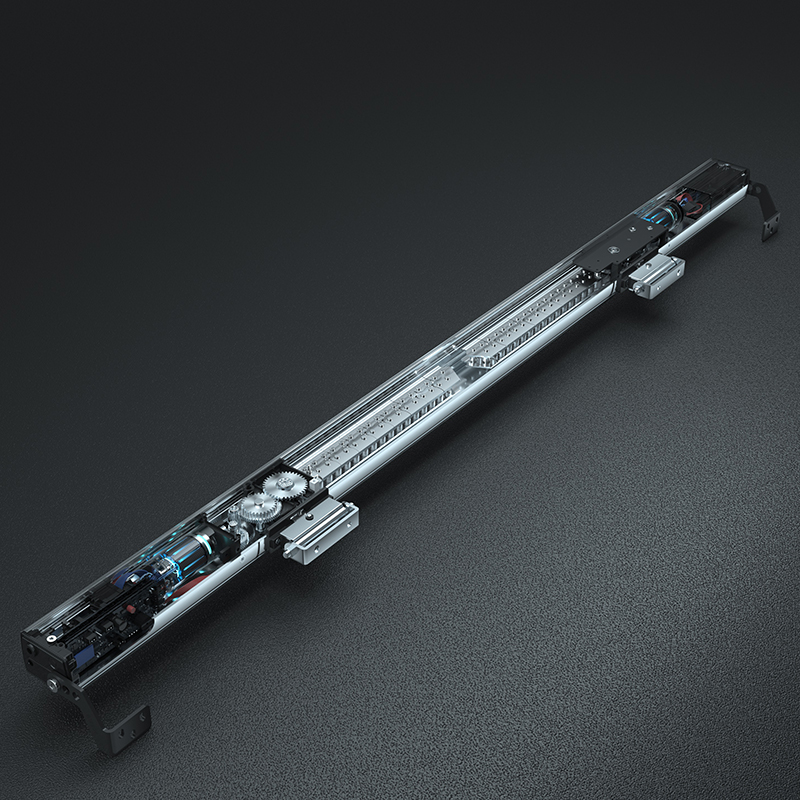
At present, there are many smart home products in the market. The electric window openerhas an electronic control device and can be customized according to the needs of customers, which is deeply favored by the market and customers. Let's talk about the advantages of electric window opener.
1. Nowadays, the concept of smart devices and smart home is accepted by more and more people. For example, when the wind and rain come, will your home window automatically close? Or can your window automatically close and lock when the suspicious person approaches? These are the uses of electric window openers.
2. If the installation position of the window is too high or too far, and the window can not be reached by manpower alone, then it is the turn of the electric window opener to be used (such as the waiting hall in the station). It is not necessary to go to the window and press the switch or remote control to fix it.
3. From the perspective of fire protection, the domestic fire protection means and starting point have been connected with foreign countries. The requirements for the emission of smoke after the fire are very high. It is necessary to ensure that the personnel can not be killed by smoke in the environment without being burned. At this time, for the fire smoke exhaust window with the requirements of fire linkage ventilation on the floor, only electric and other non-human means can be selected to open the window.
4. And the machine will not be nervous without emotion. It can be turned on when it should be turned on. Intelligentwindow openers can help you with the windows of vegetable or flower greenhouses that require constant temperature indoors. There are requirements for the indoor temperature. If the temperature is too high, the windows will open automatically. The windows of the communication machine room will not be enough by air conditioning.
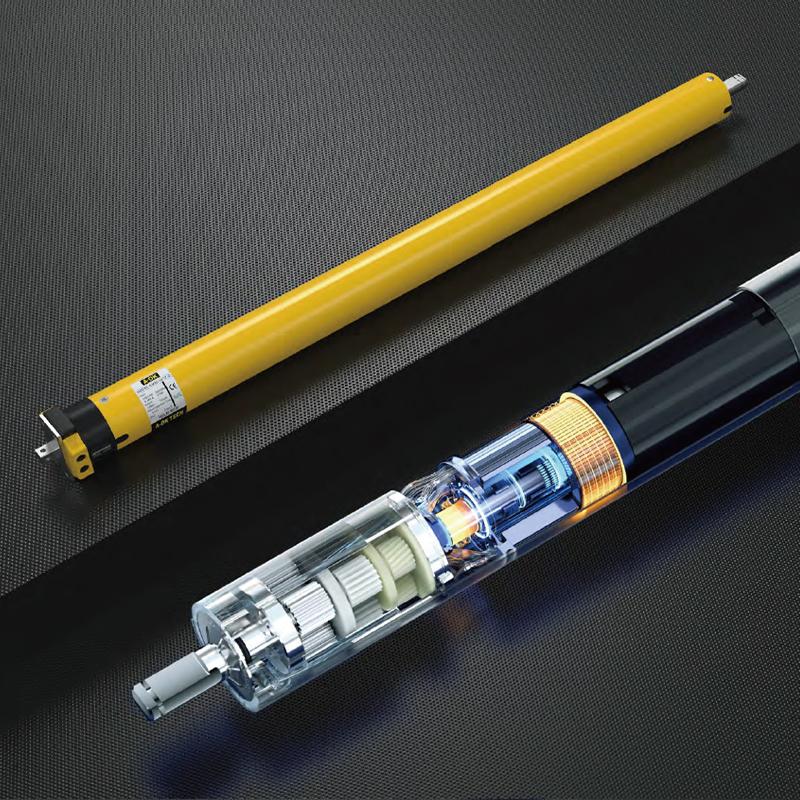
A smart tubular motor is a compact and powerful electric motor that is typically used to operate roller blinds, awnings, and shutters. The main components of a tubular motor are:
Housing: The tubular housing that gives the motor its name and protects the internal components from damage.
Motor: The electric roller blinds motor that provides the power to operate the roller blinds, awnings, or shutters. The motor can be AC (alternating current) or DC (direct current), and it is typically a brushless type for longer life and improved performance.
Gearbox: A gearbox that transmits the power from the motor to the roller blinds, awnings, or shutters. The gearbox may be planetary or worm gear, depending on the design and application.
Encoder: An encoder that measures the rotation of the motor and provides feedback to the control system to ensure accurate positioning and smooth operation.
Control Circuit: A control circuit that manages the operation of the motor, including the power supply, speed control, and other functions.
Wiring: Wiring that connects the components of the tubular motor and allows for communication with the control system.
These are the main components of a tubular motor, but different models and designs may have slightly different configurations and additional components, such as thermal protection devices, power supplies, or additional encoders. The exact components of a tubular motor will depend on the specific design and application.