头部背景图片

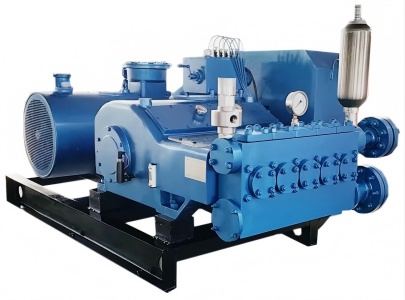
What is the difference between a jet pump and a plunger pump?

2025-07-25

The jet pump and the plunger pump are two different types of pumps, with the main differences reflected in the following aspects:


1.Working Principle

  • Jet Pump: It is a fluid pressurization device that primarily utilizes high-pressure working fluids (water, air, steam) to generate a high-speed jet through a nozzle, which enters a high-pressure chamber, thereby increasing the pressure to meet operational requirements. It relies entirely on the dynamic motion between fluids. It has strong self-priming capability and can handle gas-liquid mixed fluids.

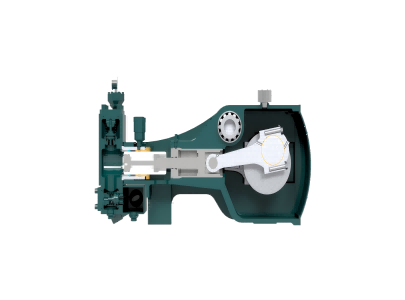
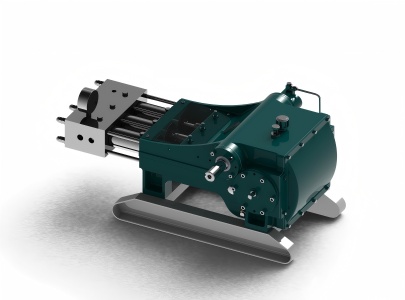
  • Plunger Pump: The motor drives the pump's crankshaft to rotate via large and small pulleys and a narrow belt. The crankshaft then drives the connecting rod and plunger to perform reciprocating motion. When the plunger moves backward, the inlet valve opens, allowing liquid to enter the pump body until the plunger reaches its rearmost position (180° rotation of the crankshaft), completing the suction process. The plunger then begins to move forward, compressing the liquid in the pump's valve chamber, increasing the pressure. As a result, the inlet valve closes, and the discharge valve opens, allowing the liquid to be pushed out by the plunger through the discharge valve. The flow rate can be adjusted by changing the size of the plunger.


2.Structural Differences

  • Jet Pump: Simple in structure, primarily generates power through fluid movement, with lower maintenance costs in the long run (no vulnerable parts) and lower sealing requirements.

  • Plunger Pump: Mainly generates power through the reciprocating motion of the plunger. Compared to the jet pump, it has higher long-term maintenance costs and extremely high sealing requirements to prevent plunger leakage.


3.Application Scenarios

  • Jet Pump: Deep well water extraction, chemical industry (capable of transporting corrosive media,etc).

Plunger Pump: High-pressure cleaning, petroleum industry (mud pump, water injection pump, etc.), water well drilling, etc.


The jet pump primarily relies on hydrodynamic force for operation, making it suitable for simple working conditions and offering corrosion resistance. On the other hand, the plunger pump operates through the reciprocating motion of a plunger, making it ideal for high-pressure, high-efficiency, and stable-flow applications. You can choose the appropriate pump based on different working conditions and requirements. Elephant Machinery offers both plunger pump and jetting pump in our product lineup. Visit our website (www.elephantmudpump.com) to select the product you need—we will be your trusted partner!

AI revolution in the plastic woven valve bag industry How AI visual inspection equipment reshapes the production landscape

2025-07-25

In the plastic woven valve bag production workshop, there used to be the tedious and inefficient manual bag picking - workers stared at the bags on the assembly line day after day, trying to find holes, joints or bottom sticker deviation defects from the fast-moving cloth rolls, but fatigue always led to missed inspections, and high labor costs and unstable product quality became stumbling blocks to the development of enterprises. Today, the emergence of Gachn AI visual inspection system is bringing disruptive changes to this traditional industry with its "eagle eyes and golden eyes" precision and efficiency.


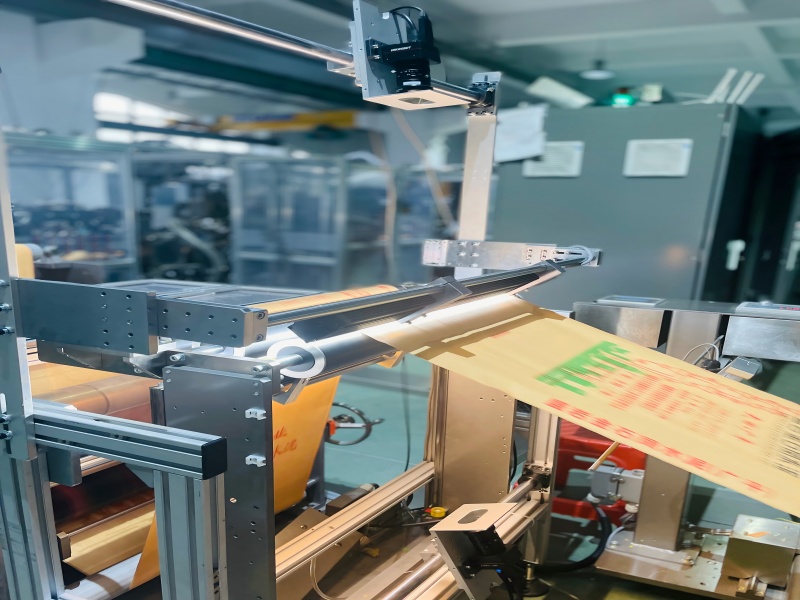
AI Vision Inspection System VS-Ⅲ for valve bag machine


Why must plastic woven valve bag companies embrace AI visual inspection?

The pain points of the traditional production model have long become an industry consensus. Raw material cloth rolls often have problems such as scratches, holes, and deviations of the warp and weft lines. Manual bag picking not only requires 4-5 workers per production line, but also is affected by emotions and fatigue, and the missed inspection rate remains high, resulting in an excessive scrap rate of finished bags. What's more difficult is that the current situation of difficulty in recruiting workers and rising labor costs year by year has put companies in a dilemma of "wanting to expand production but not being able to support workers."


The birth of the Gachn AI visual inspection system is precisely to solve these problems. As the core technological achievement of Gachn Jeenar this system realizes the full process intelligence from raw material detection to finished bag defect recognition through the combination of high-definition cameras and deep learning algorithms.


Gachn AI visual inspection system: more than "seeing", more about "understanding"

Understanding ordinary visual equipment,Gachn AI visual inspection system , has real "intelligent judgment" capabilities. It can accurately capture two types of key defects:

Raw material defects: including holes, joints, warp and weft offsets, abnormal scratches, etc. in the cloth roll, blocking the generation of waste from the source;

Bag making process defects: such as skewed corners of finished bags, no bottom stickers, bottom sticker folds, poor overlap, etc., to ensure zero defects in factory products. The "cleverness" of this system lies in its adaptive learning ability. When changing the production version, the equipment can automatically identify the inspection standards of the new specification bags without manual re-adjustment, which does not affect the normal production rhythm at all. The 0.05% rejection rate is far beyond the limit of manual inspection, making product quality stable at a new level.


Real benefits: money is saved and efficiency is improved

The practice of a cement valve bag enterprise in Anhui is the most convincing: after the introduction of the collection system, the number of workers on a single production line was reduced from 5 to 2, saving more than 200,000 yuan in labor costs each year; the reduction in material waste has reduced the cost of raw materials by 15%, and the scrap rate has dropped from 1% to below 0.1%, and the overall benefits have been significantly improved.


These achievements are derived from the four core advantages of the system:

Cost reduction: a single production line reduces 1-2 bag picking workers, and with the technology of single-side lamination and reduced overlap width, the annual cost savings can reach hundreds of thousands;

Efficiency improvement: a stable speed of 120-130 bags/minute, 7×24 hours of continuous operation, so that the production capacity can be easily increased by 30%;

Quality preservation: a scrap rate of less than 0.1% helps the company establish a "high quality" reputation in the fierce competition;

Intelligence: the one-key number change function realizes fast specification switching, and the electric control system with free upgrades within 3 years makes the equipment never outdated.


From detection to management: data-driven production upgrade

The value of Gachn AI visual inspection system is not limited to eliminating waste. The system automatically records all defect data, generates defect classification and proportion reports, and provides enterprises with clear quality improvement directions. For example, when the proportion of "bottom sticker offset" defects increases, managers can quickly trace back to the parameter deviation of the heat sealing process, realizing the transformation from "passive quality inspection" to "active optimization".

This digital management capability allows enterprise decision makers to gain insight into production bottlenecks through data and gradually build a "zero defect" production system. As a customer in Fujian reported: "After installing the system, we can clearly explain the distribution of defect types in each shift for the first time, and process improvement has a clear goal."


Choose Gachn AI visual inspection system , choose peace of mind: not only equipment, but also a long-term partner

Gachn provides customers with full life cycle protection: 1-3 days of fast installation cycle does not delay production, on-site training ensures that workers can quickly get started, and the free upgrade of the electronic control system within three years keeps the technology up to date. At present, this set of equipment has been adapted to all imported and domestic plastic woven valve bag bag making machine models, and is running stably on the production lines of customers in Anhui, Jiangxi, Fujian, Guangxi and other places. When AI visual inspection becomes the industry standard, choosing Gachn group means choosing lower costs, higher efficiency and more stable quality. In the wave of intelligent transformation of the plastic woven valve bag industry, early layout can seize the market opportunity early - after all, in the competition where quality and cost determine the outcome, the difference of 0.05% missed inspection rate may be the life and death line between enterprises.


Plastic woven valve bags the innovative force of the packaging industry

2025-07-15

In the vast world of packaging materials, plastic woven valve bags are becoming an indispensable packaging choice for many industries with their excellent performance and constantly innovative technology. Today, let us take a deep look at the technical characteristics, application fields, and potential market trends of plastic woven valve bags. ​


1. Application fields

Plastic woven valve bags play an important role in many fields with their unique advantages. ​

The backbone of the packaging industry

In the packaging industry, plastic woven valve bags are widely used in the packaging of various products. In terms of food packaging, it can provide safe, hygienic and beautiful packaging for powdered or granular foods such as flour and rice. Its good sealing effectively prevents food from getting damp and deteriorating, and extends the shelf life of food. In the field of chemical raw material packaging, the high strength and corrosion resistance of plastic woven valve bags make it an ideal choice for packaging chemical products such as soda ash and fertilizers, ensuring the safety of hazardous chemicals during storage and transportation.

A powerful assistant in the agricultural field

Plastic woven valve bags are also indispensable in agricultural production. The packaging of pesticides, fertilizers and other materials requires extremely high performance of bags. Plastic woven valve bags can not only bear the weight of these materials, but also effectively prevent leakage and protect the quality of agricultural production materials. At the same time, in the packaging and transportation of agricultural products, such as potatoes, sweet potatoes and other agricultural products, plastic woven valve bags have become the first choice of farmers because of their durability and low cost. ​

A reliable partner in the logistics industry

With the vigorous development of the logistics industry, the demand for packaging materials is also growing. Plastic woven valve bags are an ideal choice for packaging all kinds of goods in logistics transportation because of their lightness, strength and easy stacking. It can effectively protect the goods from damage during transportation, while facilitating handling and storage, and improving logistics efficiency. ​


2. Market trends

Facing the rapid development of science and technology and the continuous changes in market demand, plastic woven valve bags are striding towards intelligence, green environmental protection and personalized customization. ​

Intelligent development leads industry change

In the future, plastic woven valve bag printing machines will be more intelligent. By introducing automated control and remote monitoring technology, the production process will become more precise and controllable. Operators can remotely monitor the operating status of the equipment in real time and adjust production parameters in time to ensure the dual improvement of production efficiency and product quality. This intelligent development trend will make the production of plastic woven valve bags more efficient and stable, bringing greater competitive advantages to enterprises. ​

Green environmental protection, practicing social responsibility

Today, with the increasing awareness of environmental protection, green environmental protection has become an inevitable trend in the development of the packaging industry. Plastic woven valve bags will pay more attention to the use of environmentally friendly materials and energy-saving technologies. For example, using degradable plastic raw materials to reduce pollution to the environment; optimizing production processes and reducing energy consumption. This green and environmentally friendly development direction not only meets the society's requirements for sustainable development, but will also win more market recognition and consumer favor for enterprises. ​

Personalized customization to meet diverse needs

With the increasing diversification of consumer needs, the market demand for personalized printing products is also increasing. Plastic woven valve bags will adapt to this change and provide more flexible and diverse printing solutions. Enterprises can customize unique patterns, logos and texts according to customer needs, making valve bags an important carrier for displaying corporate brand image and product characteristics. This personalized customization service will open up a broader market space for enterprises and meet the personalized needs of different customers.​

In summary, plastic woven valve bags have occupied an important position in the packaging industry with their excellent technical performance and wide application fields. In the future, with the continuous innovation of technology and the continuous changes in market demand, plastic woven valve bags will continue to play a key role in promoting the progress and development of the entire packaging industry. Let us look forward to plastic woven valve bags creating more excitement in the future!

The core choice for printing plastic woven valve bags in-depth analysis of satellite and stacked gravure printing machines

2025-07-15

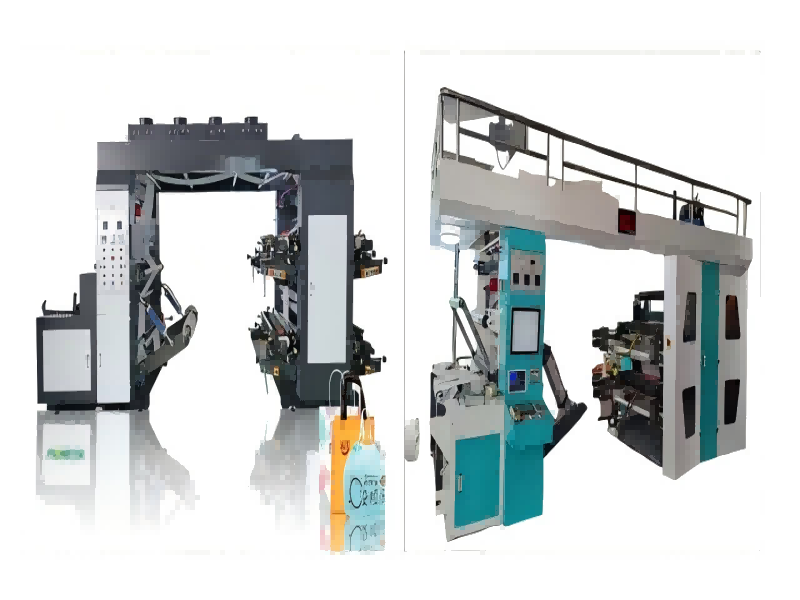
flexible printing machine

In the production of plastic woven valve bags, the printing process directly affects the appearance, texture and market competitiveness of the product. As the core equipment for printing plastic woven fabrics and composite films, the "satellite" and "stacked" layouts of web-fed gravure printing machines have different focuses in the field of plastic woven valve bags. Gachn will focus on the characteristics of these two models in the printing of plastic woven valve bags to help you find a more suitable production tool.

Plastic woven valve bags are widely used in chemical, building materials, food and other industries because of their moisture resistance, load-bearing and sealing properties. The printing substrate is mostly plastic woven fabric (PP/PE woven fabric). The surface of this type of material is relatively rough, the thickness is relatively uniform, but there is a certain degree of ductility, which puts forward special requirements for the adaptability of printing equipment. According to the arrangement of the printing unit, the mainstream gravure printing machine is divided into satellite type and stacked type, and both have their own advantages in the production of plastic woven valve bags.

1. Satellite web-type gravure printing machine: the "stabilizer" for high-precision printing of plastic woven valve bags

The satellite structure, with its "all stars around the moon" layout, is ideal for printing plastic woven valve bags that require high overprint accuracy.

Core structure

All gravure plate cylinders are arranged around a central impression cylinder, like satellites around a planet. For plastic woven valve bag printing, 4-6 printing units are usually configured to meet the multi-color pattern requirements of most products.


Workflow

After the plastic woven base material (woven fabric or composite woven film) is unwound from the feeding section, it enters the printing area through the tension control roller, closely adheres to the surface of the central impression cylinder, and passes through each printing unit in turn to complete multi-color overprinting. For valve bags that need double-sided printing (such as brand patterns on the front and product instructions on the back), the reverse printing device can be used to achieve efficient production of "single-sided single color + other side multi-color", and finally rewound into rolls by the receiving section.


The core advantages of plastic woven valve bags
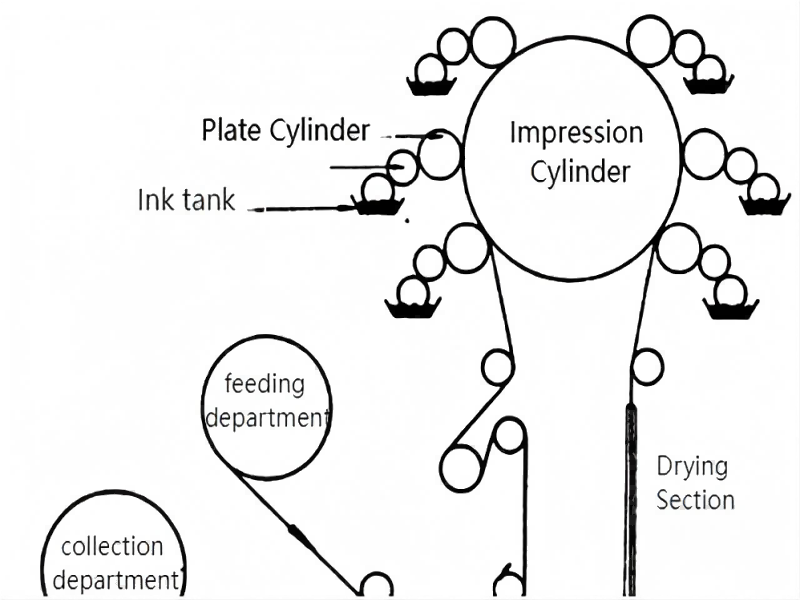
digital flexible printing machine

(1)High overprinting accuracy and fit to rough surface: There are warp and weft lines on the surface of plastic woven fabric. The satellite-type central embossing roller is rigid, which can make the substrate evenly stressed and reduce the overprinting deviation caused by the unevenness of the woven layout. It is especially suitable for printing valve bags with fine text, QR codes or complex patterns (such as warning signs of chemical products and brand logos of grain packaging).

(2)Reduce substrate stretching deformation: Although the ductility of plastic woven fabric is lower than that of film, it may still be slightly stretched due to uneven tension during high-speed printing. The satellite-type single roller transmission throughout the whole process greatly reduces the risk of stretching and avoids "elongation" or "misalignment" of the pattern.

(3)Stability is suitable for mass production: Plastic woven valve bags are mostly batch orders. The satellite-type single embossing point reduces tension fluctuations, which can ensure the consistency of long-term continuous printing and reduce the scrap rate.


Limitations in the field of plastic weaving

(1)Drying efficiency is challenging for thick substrates: woven fabrics and composite films absorb a large amount of ink, while the satellite unit spacing is short, and the drying space for solvent-based inks is limited. A powerful drying system (such as high-temperature hot air circulation) is required, otherwise "smudge" problems may occur.

(2)Maintenance adaptability is slightly weaker: In woven printing, the printing plate is easily attached to the fluff of the woven fabric and needs to be cleaned frequently. However, the compact structure of the satellite results in a small operating space, and the cleaning and plate changing efficiency is slightly low.


Applicable to plastic woven valve bag scenarios

(1)Industrial-grade valve bags (such as cement bags and chemical raw material bags) made of thick woven fabrics or coarse textured substrates;

(2)Customized orders requiring complex patterns with more than 8 colors or special processes (BOPP lamination);

(3)Manufacturers that print valve bags with a width of ≥1 meter, or that produce multiple substrates such as paper and non-woven fabrics.


2. Stacked web-feed gravure printing machine: a versatile tool for flexible production of plastic woven valve bags

The stacking type is designed with independent units like "stacked" and is more flexible in the diversified production of plastic woven valve bags.


Core structure

The printing units are stacked vertically on the main wallboard, and each unit is equipped with an independent impression cylinder, which is uniformly driven by a gear system. For the plastic woven industry, 2-8 color groups can be flexibly configured, and even auxiliary units such as cold stamping and lamination can be added.


Workflow
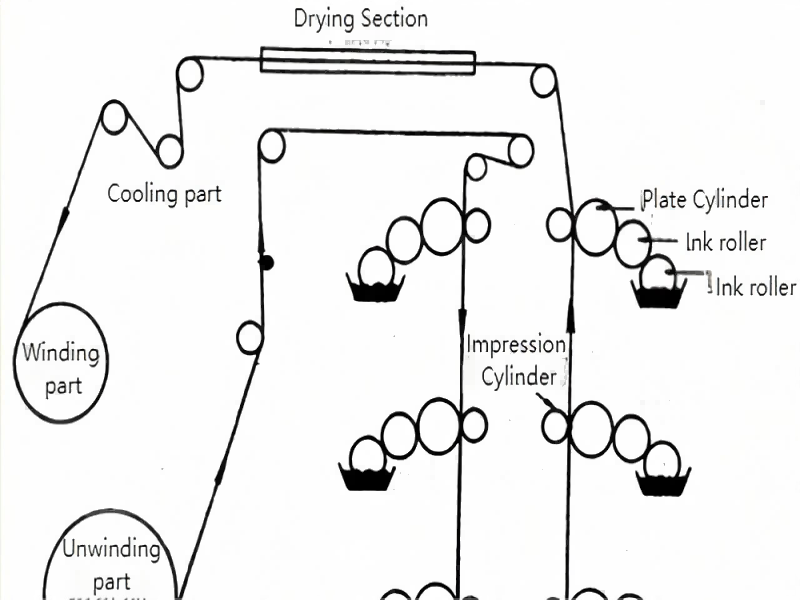
digital printing machine for flexible packaging

After unwinding, the plastic woven substrate passes through the stacked printing units in sequence according to the preset path, and each unit completes one-color printing. Due to the large spacing between units, there is enough space for the substrate to pass through the drying device after printing before entering the next color group. The receiving department can choose ordinary rewinding or reserve tension for subsequent bag making processes according to needs.


Core advantages of plastic woven valve bags

(1)Fully dried, suitable for thick substrates: plastic woven cloth absorbs a large amount of ink, the stacked unit spacing is wide, and a multi-stage drying system (such as infrared preheating + hot air drying) can be installed to ensure that the ink is thoroughly dried, especially suitable for industrial valve bags printed with solvent-based inks.

(2)Easy operation and maintenance: The independent unit design makes plate changing and cleaning more convenient. When dealing with the common "fluff pollution" problem in plastic woven printing, the machine can be quickly stopped for cleaning to reduce production interruption time.

(3)Flexible expansion to meet customized needs: plastic woven valve bags often need to add color groups (such as 8-color complex patterns) or add special processes (such as local UV varnish to improve wear resistance) according to customer requirements. The stacked type can be easily expanded and configured to adapt to small batches and multiple batches of customized orders.

(4)Adapt to wide-format substrates: For printing of large-size valve bags (such as width ≥1 meter) in the chemical and building materials industries, the stacked type has more advantages in wide-format stability.


Limitations in the field of plastic weaving

(1) High requirements for tension control for overprinting accuracy: Plastic woven fabrics are transferred between multiple independent impression cylinders over a long path. Improper tension control may cause overprinting deviations, and a high-precision tension control system (such as magnetic powder brake + tension sensor) is required.

(2) Increase in equipment height workshop requirements: The vertical stacking structure results in a high equipment height, and it is necessary to ensure that the workshop has sufficient floor height (usually ≥4 meters).


Applicable to plastic woven valve bag scenarios

(1)Industrial-grade valve bags (such as cement bags and chemical raw material bags) made of thick woven fabrics or coarse textured substrates;

(2)Customized orders requiring complex patterns with more than 8 colors or special processes (BOPP lamination);

(3)Manufacturers that print valve bags with a width of ≥ 1 meter, or that produce multiple substrates such as paper and non-woven fabrics.


3. Satellite type vs. stacked type: comparison of core indicators of plastic woven valve bag printing


Comparison Dimension

Satellite

Stacked

Core Advantages

High overprint accuracy, suitable for fine patterns; strong batch stability

Complete drying, suitable for thick substrates; flexible operation and easy expansion

Typical color group

4-6 colors (meet most common patterns)

2-8 colors (expandable to more than 10 colors)

Equipment maintenance

Small space for changing plates/cleaning, a bit cumbersome when frequent

Independent unit, easy to operate and low maintenance cost


Conclusion: The key to selecting plastic woven valve bag printing

Satellite and stacked gravure printing machines are not "either this or that" in the production of plastic woven valve bags, but "precisely matched" according to product requirements. If your order focuses on fine patterns, thin composite substrates, and batch stability (such as food-grade valve bags), the satellite type is the first choice to ensure quality; if it focuses on thick substrates, multi-color customization, and wide-format production (such as industrial ton bag valve mouth printing), the stacked type can better improve production flexibility. In the plastic woven valve bag industry, the core of equipment selection is "adapting product characteristics and order models" - only by understanding the essential differences between satellite and stacked types can the printing process become a plus point to enhance product competitiveness. To learn more, click on the official website to contact us.

Unveiling the working secrets of laminating machines and BOPP film laminating machines in the plastic weaving industry

2025-07-15

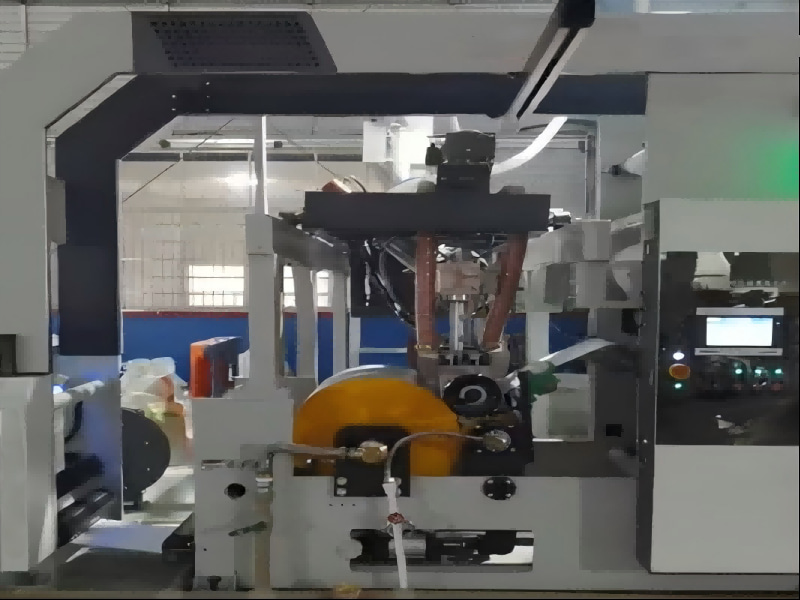
In the plastic weaving packaging industry, laminating technology is a key link in improving product performance. Whether it is a common waterproof ton bag or a delicate BOPP film composite packaging, the precise operation of the laminating machine is indispensable. Today, we will deeply analyze the working principles of laminating machines and BOPP film laminating machines in the plastic weaving industry, and at the same time see how the Gachn Group-90-FMS800 dual-host plastic laminating machine, this "industry expert", stands out with its hard-core technology.


1. Raw material preparation and melt plasticization: the transformation from granules to melts


(1) Raw material input

Conventional plastic weaving laminating is mainly PE granules, and functional masterbatches such as antioxidants and masterbatches can be added according to needs, and enter the extruder through the hopper. When laminating BOPP film, in addition to base materials such as PE, raw materials with better compatibility with BOPP film are often selected to ensure a more stable composite effect. The GC90-FMS800 laminating unit is equipped with an automatic feeder, making the input of raw materials more convenient and efficient.

(2) Heating and melting

The heating device outside the extruder barrel (such as a resistance heating ring) cooperates with the internal rotating screw to "double-treat" the raw materials: heating the raw materials to a molten state (PE melting point 105-135℃, PP 160-170℃), and the screw shearing makes the melt mixed more evenly. The Gachn Group-90-FMS800 dual-host plastic laminating machine uses a Toudao refined screw with a diameter of 90mm. It is also equipped with a fast column screen changing machine, which can stabilize the extrusion volume. The maximum extrusion volume of a single machine can reach 200kg/h. The barrel screw material is 38CrMoAlA, which is sturdy and durable, ensuring the stable melting and plasticization of the raw materials. For BOPP film laminating, due to the high melting point of BOPP (165-175℃), the ceramic heaters (30kw each) and Omron automatic temperature control instruments (eight) of the unit can accurately control the temperature, ensuring that the raw materials are fully melted and avoiding high temperature damage to the BOPP film.


2. Melt extrusion film forming: the birth of uniform film


(1)Melt filtration and voltage stabilization

The melted melt is first filtered through the filter to remove impurities, and then enters the voltage stabilizing device. This step is particularly critical for BOPP film laminating - the surface of the BOPP film is flat. If the melt pressure is unstable, it is very easy to cause defects such as bubbles and uneven thickness after compounding. The relevant devices of the Gachn Group-90-FMS800 dual-host plastic laminating machine can effectively ensure the stability of the melt pressure and lay a good foundation for subsequent film forming.


(2)T-die extrusion

The melt is finally extruded through the "T-die". The die flow channel is designed in a gradual change, which can evenly distribute the melt to the entire width to form a molten film that matches the width of the substrate. BOPP film laminating requires higher die precision to ensure that the film can perfectly cover the surface of the BOPP film. Gachn Group-90-FMS800 dual-host plastic laminating machine adopts a T-type die with a width of 1050mm. The die block is adjustable from 200 to 1050mm, which is achieved by adjusting the plug-in plate with a hand wheel. The die material is 5 chromium nickel molybdenum, equipped with ten Omron automatic temperature control instruments and ten Taiwan-made thermocouples to ensure stable discharge, allowing the plastic melt to flow evenly in the die, avoiding dead corners and speed fluctuations.


3. Substrate pretreatment: Make the bond stronger

In order to enhance the adhesion between the laminating layer and the substrate, the pretreatment link is essential, and BOPP film is particularly dependent on this:

·Corona treatment: Oxidize the surface molecules of the BOPP film through high-voltage discharge, increase the surface tension, solve its "non-stick" problem, and effectively prevent delamination.

·Preheating: The preheating temperature of BOPP film needs to be strictly controlled at 40-60℃, which can not only reduce the temperature difference with the melt, but also avoid deformation caused by high temperature; the preheating temperature of conventional woven fabrics is slightly higher (50-80℃). The laminating machine of the GC90-FMS800 unit is equipped with a preheating roller with a diameter of 350MM, which can accurately control the preheating temperature and improve the bonding effect between the substrate and the melt.


4. Composite lamination: "Intimate bonding" of substrate and film

(1)Synchronous lamination

The pretreated substrate (woven fabric or BOPP film) is transported to the bottom of the die head by the guide roller and accurately aligned with the extruded molten film. BOPP film is thin and has good stiffness. It has extremely high requirements for the synchronization of the travel speed and the melt extrusion speed. It needs to be guaranteed by a precise control system to avoid wrinkles or uneven stretching. The control system of the Gachn Group-90-FMS800 dual-host plastic laminating machine adopts PLC and touch screen, which can complete the synchronous operation of the whole machine. Its laminating line speed can reach 250m/min, and the unwinding is equipped with EPC automatic deviation correction, with a stroke of ±100mm, ensuring the precise lamination of the substrate and the film.

(2)Roller lamination

The substrate and the melt enter the roller group (steel roller + rubber roller) and fit tightly under pressure: the laminating pressure of BOPP film is about 0.2-0.6MPa, and that of conventional woven fabric is about 0.3-0.8MPa. The steel roller passes cold water to quickly cool the melt and solidify it into shape; the rubber roller plays a buffering role to ensure uniform lamination. The hardness of the rubber roller for BOPP film needs to be more carefully selected. The Gachn Group-90-FMS800 dual-host plastic laminating machine has two sets of laminating machines, including a 700MM diameter matte large cold roller (manufactured by a professional roller factory, spiral cooling) and a 250mm diameter silicone roller, as well as two QGB 125×80 pressing cylinders, which can provide stable pressure to make the lamination tighter.


5. Cooling, shaping and winding: the final "shaping" of the finished product

(1)Cooling and curing

The composite product is further cooled by multiple sets of cooling rollers (circulating cooling water) to completely cure the laminating layer. The thermal stability of BOPP film is poor, and rapid cooling can reduce the heating time and ensure dimensional stability. The laminating thickness is usually 0.01-0.1mm, which can be adjusted by the die opening, extrusion speed, etc. The BOPP film laminating has stricter control over thickness uniformity. The total water supply of the GACHN GROUP-90-FMS800 dual-host plastic laminating machine is 0.5m³/min, which can provide sufficient water for the cooling system. The laminating thickness can be adjusted between 0.008-0.03mm to meet different needs.

(2) Traction and winding

The cooled finished product is transported to the winder by the traction roller (the speed is slightly higher than the pressure roller, forming a slight tension to ensure flatness). When winding the BOPP film, the tension must be precisely controlled to avoid stretching and deformation, and finally rolled into a neat coil to complete the entire laminating process. The winder of the GACHN GROUP-90-FMS800 dual-host plastic laminating machine is a double-station large roller friction winding frame, which can realize automatic roll change without stopping the machine. The maximum diameter of the winding is 1500mm, and the winding shaft is 8 inches. It is also equipped with an automatic tension roller device and a 5.5kw variable frequency dedicated motor and Huichuan inverter, which can accurately control the winding tension to ensure that the coils are neat and tight after winding.

Six. Unique advantages of GACHN GROUP-90-FMS800 dual-host plastic laminating machine machine.

In addition to the above-mentioned outstanding performance in each link, the unit has many highlights: the use of wall panels and aluminum alloy guide rollers is durable and ensures smooth operation; equipped with automatic trimming devices, including two sets of Aibo trimming related equipment, edge material blowing fan and edge material automatic recovery system, which can improve the utilization rate of raw materials; total power reaches 100kw, air flow rate 0.6m³/min, power and air source are sufficient; the overall dimensions are (14.5 length × 7.5 width × 3.5 height) m, and the structural layout is reasonable.


I hope that through this analysis, you will have a clearer understanding of the working principle of the laminating machine and the advantages of the GACHN GROUP-90-FMS800 dual-host plastic laminating machine. If you want to know more equipment details or process skills, please leave a message in the comment area!

Enhance Yarn Strength Testing Efficiency GT-A01 Single-Yarn Strength Tester

2025-07-11
Enhance Yarn Strength Testing Efficiency: GT-A01 Single-Yarn Strength Tester

In the modern textile industry, the strength and elongation of yarns are critical performance indicators. The GT-A01 Single-Yarn Strength Tester is a high-precision instrument designed specifically to measure the breaking strength and elongation of single yarns. It is suitable for quality testing of various yarns. This article will provide an in-depth look at the application scenarios, main features, installation and operation methods, and the significance of this device in textile testing.


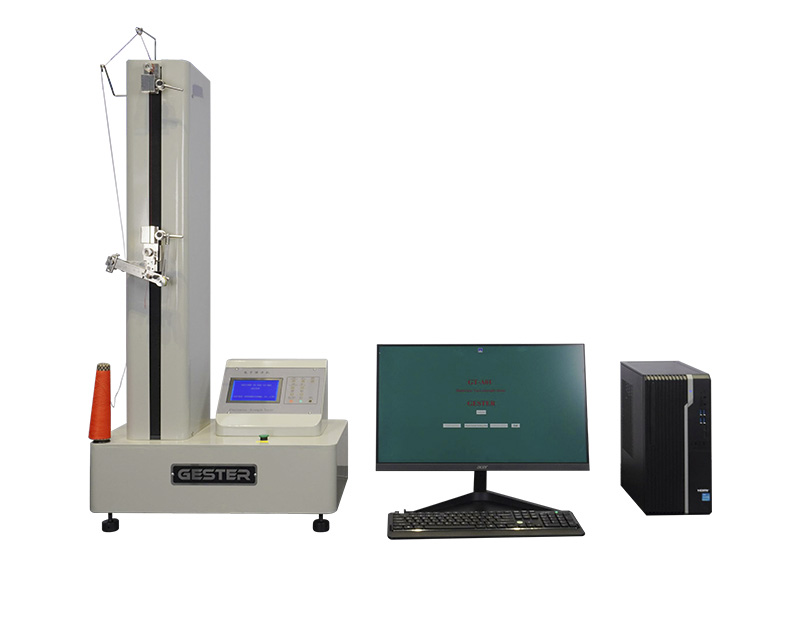
Single Yarn Strength Tester

Application


The GT-A01 Single-Yarn Strength Tester is primarily used to determine the breaking strength and elongation of single yarns, accurately measuring breaking load and extension within the range of 5000 centi-grams force. The device features electronic operation combined with mechanical action and is equipped with scales of 0-500cg force and 0-5000cg force, with the extension scale graduated in millimeters and as a percentage of the standard test length (500mm). This device is ideal for textile testing laboratories and quality control departments of manufacturing enterprises.

Main Features


The GT-A01 Single Yarn Strength Tester boasts the following prominent features:

1. Dynamic Data Sampling Frequency Over 800Hz: High-frequency sampling ensures peak value capture, providing the most accurate representation of textile material properties.
2. Sharp Blue LCD Panel: The operator simply selects the required test module and standard, with each button's graphical icon clearly illustrating its current function. This greatly simplifies the screen by only displaying commands relevant to the current task.
3. High-Performance MCU and A/D Converter: Equipped with Mitsubishi 16-bit MCU and A/D converter, offering excellent anti-interference performance and rapid data transfer.
4. Real-Time Data Display: Ongoing test data (e.g., mean square value, average, max, min, etc.) is displayed in real-time.
5. Multiple Force Unit Switching: The force unit can be freely switched between N, Kgf, 1b, in, and cN.
6. Comprehensive Report and Diagram Handling: Test reports and diagrams can be processed by a computer and printed out.
7. Bidirectional Control: Operators can use the LCD control panel to operate the unit and print testing data without a PC.
8. Data Export and Analysis: Data can be exported to Excel for detailed analysis, and data curves can be overlaid for comparison.

Installation and Operation

Leveling
Use a spirit level to check the levelness of the four corners of the machine, and use a spanner to adjust any uneven corners.

Installation Steps
1. Connect the data cable, confirm the power supply is AC220V, plug in the power cable, and turn on the power switch.
2. Turn on the computer and open the testing software.

Operation Steps
1. Click "Enter new test" and input the relevant test information and parameters.
2. Click "Next Step" to enter the testing interface. The lower fixture will automatically search for the gauge distance.
3. Install the sample: Refer to the following steps to install the sample and select the appropriate tension weight based on yarn density.
4. Click "Start" or press the green "START" button to begin the test. 5. After the test is completed, the results will be displayed. Repeat the test multiple times using the same method.
6. Observe the data for each test in the "Single test data" section of the software.
7. Click "Statistical value" to process the data.
8. Click "Data Saving" in the statistics interface to save the data.
9. Click "Printing" to export the PDF report file.
10. Click "Browsing" to review historical data.

Note
The control panel test is for demonstration purposes only and is not recommended because the data needs to be printed on a specified printer.

The GT-A01 Yarn Tensile Strength Tester, with its high precision and efficiency, along with its user-friendly interface and extensive functionality, provides a powerful solution for yarn performance testing in textile enterprises. With comprehensive and accurate test data, this device helps companies improve yarn quality control, ensuring product stability and consistency, thereby gaining a competitive edge in the market.

Choose the ISO2062 Single Yarn Testing Machine to make your textile testing more precise and efficient!

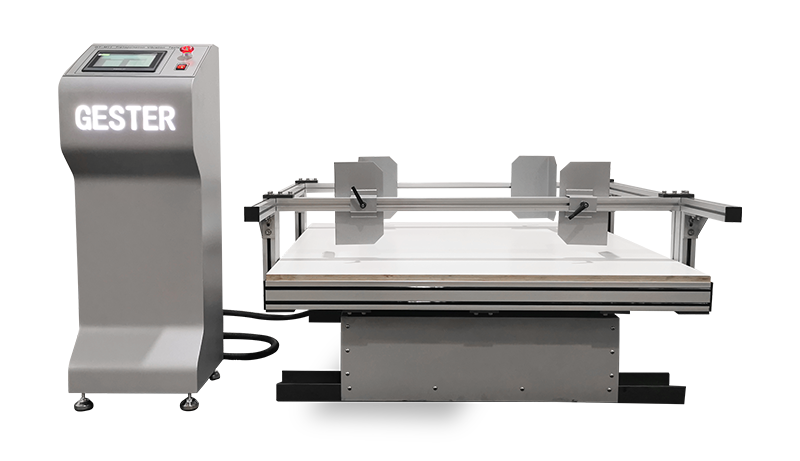
What is The Transportation Vibration Tester GT-M11

2025-07-11
What is The Transportation Vibration Tester GT-M11

Ensuring the integrity and safety of goods during logistics and transportation is crucial. Potential hazards such as bumpy roads, sharp turns, sudden stops, and uneven terrain are common. These conditions can cause product damage, affecting their quality and usability. Therefore, the Transportation Vibration Tester GT-M11 plays an important role by simulating and testing these adverse conditions, enhancing the durability of packaging and products.

Transportation Vibration Tester GT-M11


Introduction to Transportation Vibration Tester GT-M11


The Transportation Vibration Tester GT-M11 can reproduce various stresses and strains that products endure during transportation. By simulating conditions such as vibration, impact, and compression, the Transportation Vibration Tester GT-M11 helps optimize packaging solutions, thereby reducing the risk of product damage and improving customer satisfaction.

Applications and Importance


The Transportation Vibration Tester is widely applicable and can be used in various industries, especially for:

1. Toys: Ensuring that delicate components remain intact and functional.
2. Electronics: Testing the resilience of devices against shocks and vibrations.
3. Furniture: Confirming that assemblies withstand transportation without damage.
4. Gifts and Ceramics: Ensuring that fragile items arrive in perfect condition.
5. Communications Equipment: Maintaining the functionality of sensitive instruments.
6. Automotive Parts: Testing the durability of parts under vibrational and impact conditions.
By using the transportation simulation vibration tester, manufacturers can further improve the quality of goods and their packaging, thereby reducing returns and enhancing their reputation for quality.

Compliance with Standards


The transportation simulation vibration tester complies with internationally recognized testing standards, including ISTA and ASTM D999. These standards ensure that the tests conducted are rigorous and reliable, providing a high level of assurance in the results.

Key Features of the transportation simulation vibration tester


The Transportation Vibration Tester GT-M11 boasts numerous features that make it a top choice for vibration testing:

  • Buffer Start Function: This feature minimizes the initial shock to the equipment and the sample, ensuring a smooth start and reducing wear and tear.
  • Low Noise Operation: The transportation simulation vibration tester operates quietly, making it suitable for various settings without causing significant noise pollution.
  • Digital Vibration Frequency Display: The digital meter provides precise readings of the vibration frequency, allowing for accurate control and monitoring.
  • Synchronization Silencing Belt Transmission: This feature ensures smooth and quiet operation, enhancing the longevity of the machine.
  • Easy Sample Clamping: The guide rail type clamping system is user-friendly and safe, allowing for quick and secure sample setup.
  • Robust Base: The transportation simulation vibration tester’s base is made of heavy channel steel with vibration damping pads, providing stability and eliminating the need for additional foot screws.
  • DC Motor Speed Regulation: The motor offers smooth operation and strong load capacity, ensuring consistent performance under various test conditions.
  • Rotary Vibration Testing: Also known as the "monkey type" vibration, this mode complies with European and American transportation standards, ensuring comprehensive testing.

Comprehensive Testing Solution


The Transportation Vibration Tester GT-M11 provides a comprehensive solution for testing and improving the durability of products during transit. By simulating various transportation conditions, it helps manufacturers enhance their packaging and product design, ensuring that goods reach their destination safely and intact.

Investing in the Transportation Vibration Tester GT-M11 is an investment in quality, reliability, and customer satisfaction. Its adherence to international standards and advanced features make it an indispensable tool for any manufacturer committed to delivering high-quality products. The transport simulation vibration tester is an essential tool for ensuring product durability and safety during transportation.

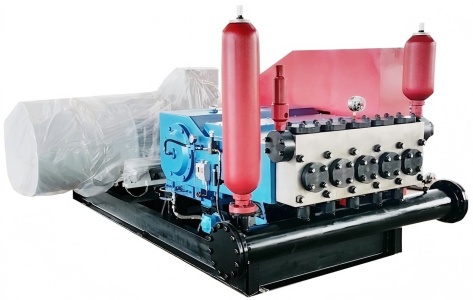
How to choose a high pressure water injection pump?

2025-07-11

The key to ensuring safe, efficient, and economical water injection operations is to select a suitable high pressure water injection pump. When selecting a high pressure water injection pump, it is necessary to consider a variety of factors, such as flow rate, pressure, operating environment, and medium.


  • Flow rate and pressure: The two important parameters of a high pressure water injection pump are output flow rate and pressure. It is necessary to determine the flow rate and pressure range required for water injection operations to avoid selecting a pump that is too large, which would result in waste, or too small, which would fail to meet water injection requirements.


  • Water injection requirements: It is necessary to clearly define the water injection requirements, such as the characteristics of the reservoir, the target production rate of the reservoir, and the water injection medium. Different water injection requirements may require different types of high pressure water injection pumps.


  • Power and power supply: It is necessary to consider the power supply requirements of the water injection pump to ensure efficient and stable operation. Additionally, select an appropriate motor or engine based on the power of the water injection pump.


  • Water Injection Medium: It is necessary to thoroughly understand and analyze the water quality being injected, including whether it contains sand, is corrosive, or is high temperature, to select the appropriate pump material.


  • Durability and Stability: High pressure water injection pumps are designed for long-term heavy-duty operation, so their durability and stability are of utmost importance. Selecting pumps with stable performance, high quality materials, and robust construction is key to ensuring their long-term stable operation.


  • Maintenance and service: Understand the technical support and maintenance services available for the pump. Selecting a supplier with a good reputation that can provide timely technical support and after-sales service is the core factor in ensuring continuous equipment operation.


  • Intelligence: Prioritize intelligent pumps that offer unmanned operation, multi-terminal remote monitoring, and real-time data synchronization. (Elephant Injection Pumps feature an intelligent pump station system supporting remote start/stop, speed adjustment, data retrieval, automatic power-off alarms, and viewing of issue data.)

Finally, when selecting water injection equipment, we need to consider not only the purchase cost, but also the operating efficiency and stability of the pump.Elephant Machinery is a professional supplier of high pressure water injection pumps. With its extensive industry experience and expertise, it can provide customers with customized solutions. If you have any questions about high pressure water injection pumps, please feel free to contact us. We will provide you with the most optimized and economical solutions.

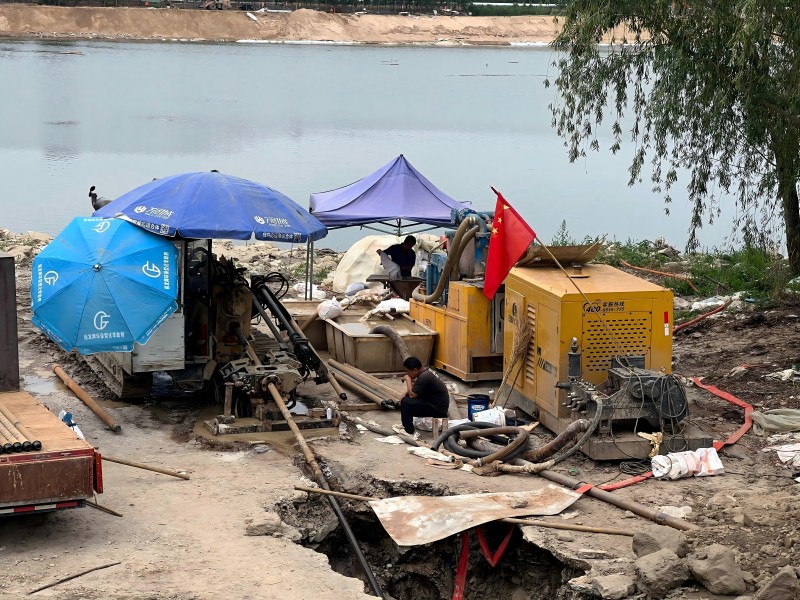
How to keep reciprocating pumps running properly in hot weather?

2025-07-11

Friendly reminder: In recent days, temperatures have risen sharply, and high temperatures may lead to machine overheating, lubrication failure, seal failure, and other issues. In severe cases, it may even cause power outages or machine shutdowns. To ensure the normal operation of the reciprocating pump, the following measures will be taken:

1.Enhance Heat Dissipation
- Ensure the pump is well-ventilated during operation. If the ambient temperature is high, use ventilation equipment (fan) for cooling.
- Avoid direct sunlight exposure. When using a reciprocating pump outdoors, employ a sunshade (or canopy) to prevent direct sunlight.

2.Lubrication Maintenance
- Replace high-temperature lubricating oil to prevent viscosity reduction under high temperatures.
- Increase the frequency of lubricant changes. In high-temperature climates, lubricants may degrade and oxidize. Check for impurities in the oil and observe if its color changes. Replace immediately if any changes are detected.

3.Motor Protection
- Regularly inspect the cooling system of the motor to ensure proper functioning and prevent burnout due to power failure.

4.Seal Inspection
- Seals are vulnerable components in reciprocating pumps. High temperatures can accelerate their wear and shorten their service life. Regularly inspect the seals for wear and check for any leaks. Replace them promptly if any issues are detected.

5.Operator Training
- Enhance emergency training for operators to enable them to determine whether the pump is functioning normally based on factors such as motor noise, vibration, and smoke, and to master corresponding response measures.

The measures mentioned above can effectively mitigate the impact of high temperatures on reciprocating pumps. We urge all customers to take such situations seriously and jointly prioritize on-site safety and the stable operation of equipment.Additionally, our Elephant reciprocating pumps can be optionally equipped with an intelligent unattended pump station system. This system supports unmanned operation, features temperature sensors for high-temperature early warning, enables multi-terminal remote monitoring, and ensures real-time data synchronization. Moreover, it offers remote start/stop, speed adjustment, data retrieval, automatic power-off, and alarm functions, significantly improving operational efficiency.
We welcome inquiries and purchases! Feel free to contact us!

How Can Electric Motors Operate in a Vacuum Environment? Examples of applications

2025-07-04

With advancements in technology, the demand for electric motors operating in extreme environments has grown significantly. Among these, vacuum environments pose unique challenges for electric motors. This article explores how motors can function properly in a vacuum and introduces some typical application cases.


I. Special Requirements for Motors in a Vacuum Environment

A vacuum environment (typically defined as pressure below 1×10⁻⁵ Pa) affects motor operation in several ways:

Heat Dissipation Issues: The absence of air convection in a vacuum renders traditional cooling methods ineffective.

Material Outgassing: Certain materials release gases in a vacuum, contaminating the environment.

Lubrication Challenges: Conventional lubricants tend to evaporate or decompose in a vacuum.

Electrical Insulation Problems: The performance of insulating materials may change under vacuum conditions.

Thermal Expansion Differences: Variations in thermal expansion coefficients between materials become more pronounced with temperature changes.


II. Key Technologies for vacuum compatible motors

1. Special Heat Dissipation Designs

Use of high thermal conductivity materials (e.g., copper, aluminum) for housing

Design of heat-radiating fins to increase surface area for radiative cooling

Integration of heat pipes or liquid cooling systems (for high-power motors)


2. Selection of Vacuum-Compatible Materials

Use of low-outgassing materials (e.g., stainless steel, ceramics, specialty plastics)

Avoidance of high-outgassing materials like rubber and standard plastics

Selection of vacuum-compatible insulating materials (e.g., polyimide, PTFE)


3. Special Lubrication Systems

Use of solid lubricants (e.g., molybdenum disulfide, graphite)

Application of specialized vacuum-compatible greases

Design of self-lubricating bearing systems


4. Sealing Technologies

Use of metal seals or specialized elastomer seals

Design of multi-stage sealing systems

Consideration of thermal stress effects on seals


5. Special Electromagnetic Design

Optimized winding design to minimize heat generation

Consideration of corona discharge in a vacuum

Use of high-temperature-resistant electromagnetic materials


III. Typical Application Cases of Vacuum Motors

1. Aerospace Applications

Satellite Attitude Control Motors: Used for adjusting solar panels and Earth orientation.

Space Robotic Arm Drive Motors: Employed in the International Space Station and satellite servicing missions.

Rocket Propulsion System Valve Control Motors: Regulate fuel and oxidizer flow.


2. Semiconductor Manufacturing

Wafer Handling Robot Motors: Transport silicon wafers inside vacuum chambers.

Lithography Machine Precision Positioning Motors: Enable nanometer-level positioning accuracy.

Vacuum Deposition Equipment Rotary Motors: Ensure uniform coating deposition.


3. Scientific Research Equipment

Particle Accelerator Vacuum Pump Motors: Maintain ultra-high vacuum conditions.

Fusion Reactor Internal Drive Motors: Used in tokamak devices for various actuators.

Space Simulation Chamber Equipment Motors: Simulate space environments for testing on Earth.


4. Medical Devices

Proton Therapy System Gantry Motors: Precisely position patients in a vacuum environment.

Electron Microscope Stage Drive Motors: Enable nanometer-level sample movement.


5. Industrial Equipment

Vacuum Metallurgical Furnace Drive Motors: Handle materials in high-temperature vacuum conditions.

Vacuum Coating Production Line Conveyor Motors: Transport substrates in continuous production processes.


IV. Development Trends in Vacuum Motors

Higher Power Density: Deliver greater torque in limited spaces.

Longer Lifespan: Reduce maintenance needs, especially for space applications where repairs are difficult.

Smarter Control: Integrate sensors for condition monitoring and adaptive control.

New Material Applications: Use of advanced materials like carbon nanotubes and graphene.

Modular Design: Facilitate quick adaptation for different vacuum applications.


Conclusion

Motor technology for vacuum environments is a critical enabler for multiple high-tech industries. With advancements in materials science, thermal management, and precision manufacturing, the performance of vacuum motors will continue to improve, expanding their range of applications. In the future, vacuum motors will play an even more significant role in cutting-edge fields such as deep-space exploration, quantum technology, and next-generation semiconductor manufacturing.

Categories
Tags