头部背景图片

What Material Cannot Be Cut By a Diamond Cutting Tool?

2025-09-29

5 Surprising Materials Diamond Blades Can’t Cut (And What to Use Instead)

Diamond blades are renowned for slicing through concrete, tile, and stone with ease. But even the hardest tool on Earth has its limits. Certain materials can render these blades useless—or even damage them. Discover five materials that defy diamond blades and smarter alternatives for your projects.


1.High-Carbon Steel & Iron-Based Alloys

‌Why They Fail‌: Extreme heat (over 700°C) from friction triggers a reaction where carbon in diamonds bonds with iron, forming brittle iron carbide.
‌Real-World Case‌: A construction team reported sparks, smoke, and a warped blade within minutes of cutting rebar.
‌Fix‌: Use carbide-tipped blades or oxygen-acetylene torches.

2.Soft Metals: Aluminum, Copper, Lead

The Clogging Hazard‌: Melted metal gums up blade gaps, causing overheating and kickback.
‌Data Insight‌
 In an experiment, a diamond blade cutting aluminum caused the temperature to spike by 200°C in just 30 seconds.
‌Alternative‌: Teflon-coated blades or cold-cutting saws.

3. Rubber & High-Ductility Plastics

‌Elasticity vs. Abrasion‌: Rubber flexes instead of fracturing under diamond grinding.

‌Industry Practice‌: Tire makers use waterjets for clean cuts without blade slippage.

4. Titanium & Nickel Superalloys

‌Thermal Fatigue‌: Titanium’s heat resistance (>1000°C) degrades diamond blades. NASA data shows 3x faster wear than silicon carbide.

‌Pro Tip‌: Ceramic blades or EDM are preferred for aerospace components.

5. Fiberglass Composites (GFRP/CFRP)

Hidden Damage‌: Diamond blades can tear the resin matrix of fiberglass composites, causing fiber delamination. This compromises the material’s structural integrity.

Industry Practice‌: In shipbuilding, sanding or grinding is often used instead of direct cutting to avoid damaging fiberglass composites.
Alternative‌: Abrasive grinding wheels are safer and more effective for fiberglass.

 diamond blades

Why Diamond Blades Excel in Stone & Concrete Cutting

While diamond blades struggle with the materials listed above, they remain the top choice for cutting stone, reinforced concrete, and other hard, brittle materials. Their ability to maintain sharpness and precision in these applications makes them indispensable in construction, masonry, and stone fabrication.

Choose the Right Tool for the Job

Understanding the limitations of diamond blades ensures safer, more efficient operations and extends the life of your tools. For materials like steel, aluminum, rubber, titanium, and fiberglass, explore the alternatives mentioned above to achieve the best results.


When it comes to cutting stone, concrete, and similar materials, diamond blades are unmatched. Visit our store to explore our premium diamond blade collection designed for your toughest cutting challenges.


Will a diamond core bit go through rebar? ---Drilling Through Reinforced Concrete Overcoming Rebar Challenges

2025-09-29

Drilling through reinforced concrete presents unique challengesnot only due to the concrete itself, but also because of embedded steel bars (rebar). Rebar adds structural integrity to concrete but can hinder most standard drill bits. So, can a diamond coring drill bit successfully drill through steel bars?  The answer is yes, with the right diamond segmented core bit. Diamond Segmented Core Bits with Ordered Arrangement for Reinforced Concrete are designed specifically for this purpose, making them ideal for construction and demolition projects that require effective drilling through both concrete and rebar.


Diamond Segmented Core Bits with Ordered Arrangement

About Diamond Segmented Core Bits

Diamond segmented core bits are robust drilling tools with high-quality industrial-grade diamonds embedded in segments along the cutting edges. This segmented design uses the strength and wear resistance of diamonds to cut through dense materials like reinforced concrete and steel rebar. Unlike traditional core bits, these specialized diamond bits can withstand the wear challenges that reinforced concrete presents.

The cutting segments are arranged in a precise pattern to ensure even wear distribution and optimal cutting speed. This configuration efficiently dissipates heat and minimizes friction, enabling smooth penetration of concrete and steel without overheating, which is critical for long-duration drilling tasks.


Advantages of Using Diamond Segmented Core Bits with Ordered Arrangement

1. Enhanced Durability and Longevity 

Reinforced concrete can quickly degrade standard bits; however, diamond segmented core bits are designed for extended service life. Their organized segment layout distributes wear evenly, enabling them to work on abrasive materials like concrete and rebar over longer periods.

2. Efficient Rebar Penetration 

The embedded diamond segments are durable enough to cut through rebar, whereas traditional drill bits may overheat or break when encountering metal. The precise arrangement of segments ensures these core bits remain efficient even when cutting through steel reinforcement.

3. Smooth, Precise Cuts 

Standard tools often leave rough edges when drilling through rebar, while diamond segmented core bits provide smooth, clean cuts in reinforced concrete. This precision is crucial for construction or renovation tasks that require exact hole dimensions.

4. Reduced Heat Buildup 

The ordered segment arrangement reduces friction and promotes airflow, keeping the temperature lower during operation. Excessive heat can cause premature wear on drill bits, so this feature extends tool life while ensuring efficient drilling.


Applications for Diamond Segmented Core Bits with Ordered Arrangement

Diamond Segmented Core Bits with Ordered Arrangement for Reinforced Concrete are widely used in construction, renovation, and demolition sectors, especially in projects requiring drilling through reinforced structures:

  • Bridge and Road Construction: Essential for drilling into reinforced concrete structures such as bridges or highways.
  • Utility and Infrastructure Projects: Ideal for installing pipes or electrical conduits within solid walls or floors.
  • Building Renovations: Useful when modifications require precise drilling through structural elements without affecting surrounding areas.


Selecting the Right Diamond Segmented Core Bit

When choosing a diamond segmented core bit for reinforced concrete, consider the following factors:

  • Segment Height: Higher segment heights usually mean greater durability. For reinforced concrete, segments around 10mm to 12mm are typical.
  • Diamond Quality: High-grade industrial diamonds offer superior cutting performance and durability.
  • Connection Type: Ensure compatibility with your equipment; core bits come with different connection types (e.g., 1-1/4 UNC or SDS).
  • Cooling Method: Water cooling helps prevent overheating. Determine whether the bit is suitable for wet or dry use, depending on your specific requirements.


Tips for Drilling Through Reinforced Concrete with Diamond Core Bits

  • Start Slowly: Begin at a lower speed to prevent overheating and ensure accuracy.
  • Apply Steady Pressure: Avoid excessive force; let the diamond segments do the work.
  • Use Water Cooling: Continuous water flow aids in temperature control and debris removal, enhancing performance.
  • Anticipate Resistance Changes: Expect resistance to increase when encountering rebar; reduce speed slightly to maintain a consistent cut.


Conclusion

Yes, a diamond core bit can go through rebarbut using the right bit is essential. Diamond Segmented Core Bits with Ordered Arrangement for Reinforced Concrete are engineered specifically to tackle the challenges of drilling through both concrete and steel. Their durability, precision, and efficiency make them an ideal choice for professionals in construction, infrastructure, or building renovation, enabling them to handle even the toughest jobs with confidence.

Investing in a high-quality diamond core bit for reinforced concrete can save time, money, and effort, delivering cleaner, faster, and more efficient drilling results.

Core Bit for Concrete

Efficient, environmentally friendly, and intelligent cement automatic loading machine leads industry transformation

2025-09-29

In modern cement production, the loading process has always been a pain point with high labor intensity, serious dust pollution, and difficulty in ensuring efficiency. With the continuous rise of labor costs and increasingly strict environmental requirements, traditional manual loading methods are no longer able to meet the needs of modern cement enterprises. The cement automatic loading machine launched by Xiamen Gachn Group is a high-end intelligent equipment designed to solve these problems.


What is a cement automatic loading machine?

The Gachn Group Cement Automatic Loading Machine is an efficient and stable specialized equipment for automatic loading of bagged cement that integrates CNC, mechatronics, and servo technology. Its biggest highlight lies in the use of 3D radar scanning technology, which can quickly and accurately identify vehicle models and carriage structures, achieve intelligent modeling and maximize space utilization, support multiple code packaging methods such as horizontal and vertical packaging, and ensure neat and stable code packaging, greatly improving the quality and efficiency of loading.


Six core advantages define new industry standards

1. Suitable for all vehicle models, flexible and intelligent

The consolidation and loading machine can be applied to almost all vehicle types, including tricycles, agricultural vehicles, flatbed trucks, semi trailers, tractors, high rail trucks, etc. The carriage can support a maximum height of 4.0 meters, a width of 1.4-3.0 meters, and a length of 0.7-17.5 meters, truly achieving "one machine for multiple uses".

2. Efficient loading, stable and reliable

The automatic loading capacity is as high as 95-120 tons/hour, far higher than most robotic solutions on the market (usually only 70-80 tons/hour), and can operate continuously for 24 hours, greatly improving shipping efficiency.

3. Environmentally friendly and clean, with guaranteed occupational health

The equipment adopts a low-level drop bag design, with the machine head directly inserted into the carriage for operation, greatly reducing dust and bag breakage. Paired with a dust collection system, significantly improving the working environment for workers.

4. Intelligent operation, easy maintenance

The humanized human-machine interface (HMI) supports intuitive operation and remote monitoring, reducing the learning cost for operators. The independent modular design also makes maintenance more convenient and fault handling faster.

5. Strong adaptability to cope with complex scenarios

Whether it is a high beam vehicle or an extra long vehicle, the consolidation and loading machine can flexibly respond through segmented loading technology and dual code package head design, supporting horizontal, vertical, and mixed stacking methods.

6. High quality components ensure long-term stability

The core components of the equipment are all made of international first-line brands, such as Schneider, Panasonic, SMC, HIWIN, etc., to ensure that the equipment maintains high precision and stability during long-term high load operation.


Gachn Group vs other loading machines: why is Gachn Group more worth choosing?

According to market research and comparative analysis, the current mainstream cement loading machines mainly include various types such as robotic arms, mechanical lifting arms, swing arm type code bags, palletizing film covers, code bag covers, etc. However, they generally have the following problems:

Mechanical arms: slow actual speed, difficult dust removal, low space utilization, and not suitable for high platform trucks;

Code packet types (such as Brightness and Blue Haiyan): crowded structure, high failure rate, difficult maintenance, and high dust caused by falling packets at high positions;

Swing arm and lifting arm: uneven code packaging, easy to drop packages, and difficult to handle dust;

The Gachn Group Gongge loading machine has perfectly solved the above problems through technologies such as decentralized layout, low-level package dropping, and intelligent 3D scanning. It has the advantages of high speed, cleanliness, environmental protection, and easy maintenance. Although the number of cases is currently small, it has been highly recognized by early users.


 Equipment Type  Advantages  Disadvantages
 Mechanical Hand Bagging System  Highly flexible layout, suitable for various industries  Difficult dust collection, high dust emission, relatively low actual production capacity (70–80 tons/hour)
 Mechanical Elevating Arm Type  Simple structure, fast speed  Large floor space, difficult dust collection
 Swing-arm bag making machine  Simple structure  Poor bag stacking, easy bag drop, and high dust generation
 Palletizing and film wrapping systems  Clean environment, fast speed  High packaging costs, complex pallet turnover, and low volume utilization
 Centralized terminal equipment  Compact structure, convertible horizontally and vertically  High failure rate, difficult maintenance, high dust generation, poor adaptability to high railings
 Gachn Intelligent Loader  Distributed layout, easy maintenance, high speed and efficiency, low-position bag drop, low dust generation, adaptable to high sidewalks, and neatly stacks bags. Requires a certain amount of space for  Installation (export width ≥ 1.8 meters).


Professional, service, and reputation are the three main reasons for choosing consolidation

Professional advantage: Gachn Group has profound technical accumulation and industry experience, providing not only equipment but also forward-looking solutions.

Service quality: From pre-sales consultation to after-sales support, a professional team escorts the entire process, paying attention to every detail and exceeding customer expectations.

Credit guarantee: honest operation, excellent quality, promises must be fulfilled, has won the trust and praise of many customers.


The Gachn Group cement automatic loading machine is not only a product, but also an important driving force for the intelligent and green upgrading of the cement industry. It helps enterprises cope with the challenges of "difficult recruitment, high costs, and strict environmental protection", improve loading efficiency and working environment, and is an ideal choice for achieving sustainable production.

From Piston to Flow Understanding Reciprocating Pump in One Article

2025-09-26

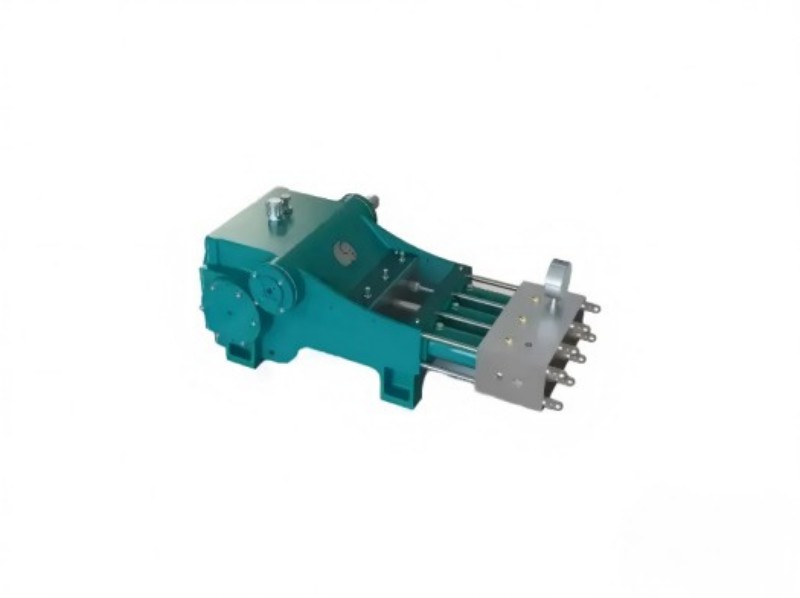
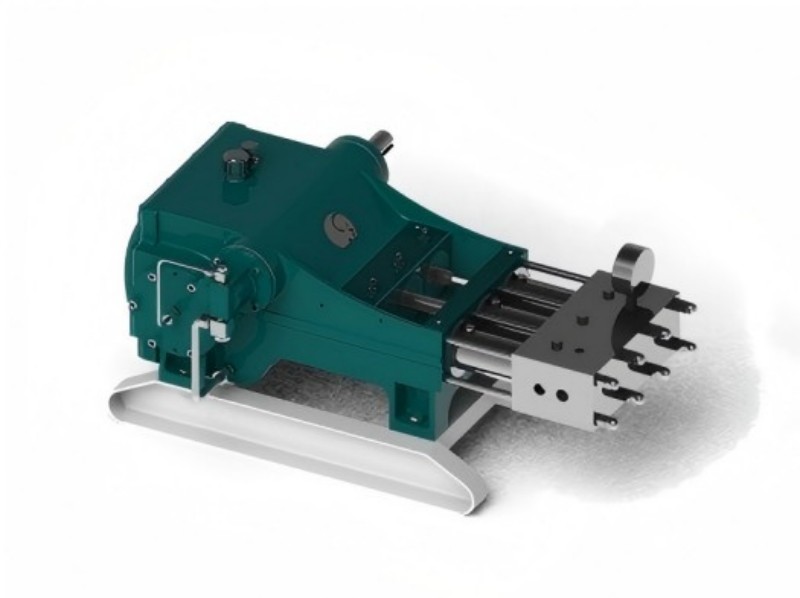
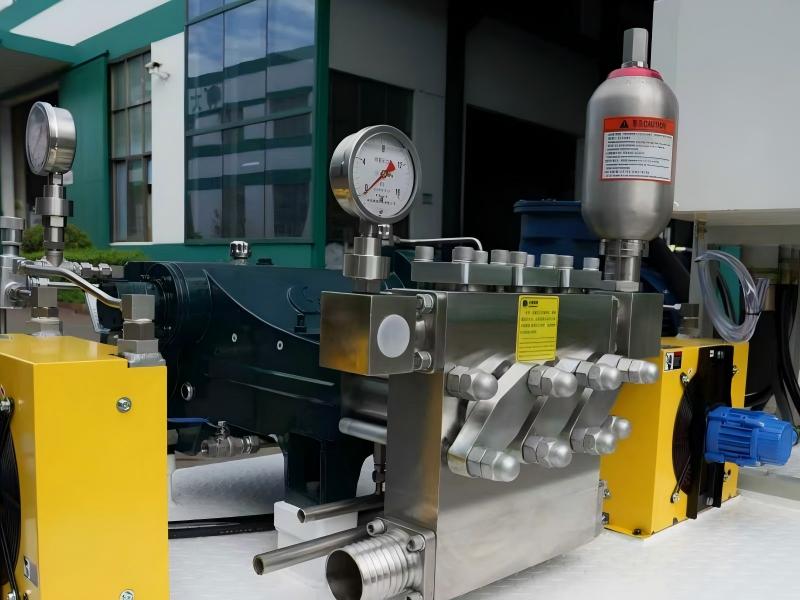
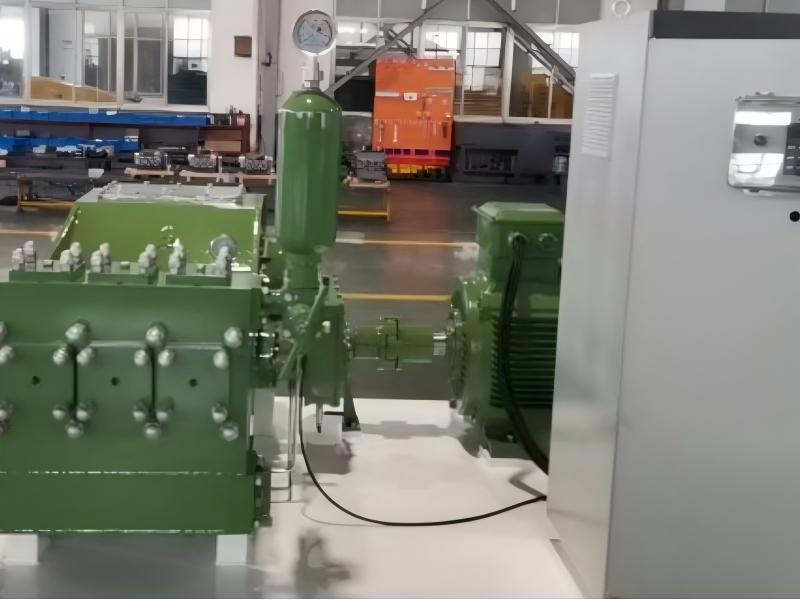
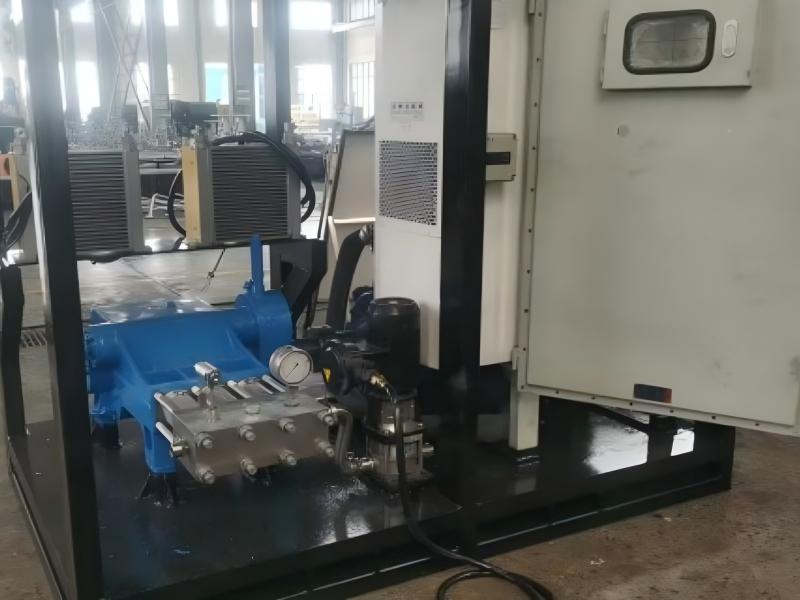
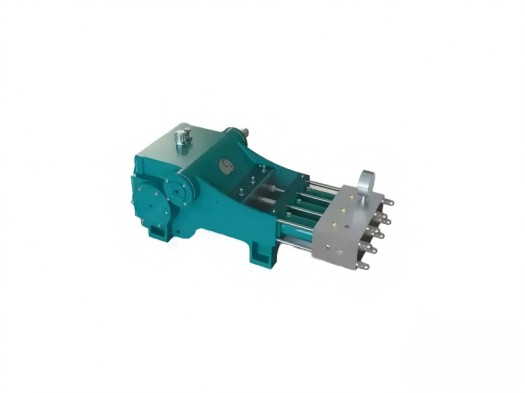
Reciprocating pump is fluid transfer device that directly supply energy to liquid in the form of pressure energy through the reciprocating motion of pistons/plungers within cylinders. They are the most widely used positive displacement pumps in industrial applications, such as mud pump, pressure test pump, high pressure pump, cementing pump, and injection pump. Whether in oilfield water injection, high pressure cleaning, or drilling platforms, they play an extremely important role and hold an irreplaceable position. But have you ever wondered how a simple reciprocating motion generates stable pressure energy to drive fluid conveyance? Below, we'll introduce the most fundamental reciprocating motion, gradually guiding you toward a thorough understanding of the reciprocating pump's operating principle.


Core Components of Reciprocating Pump

1. Power end: Crankshaft, connecting rod, crosshead, intermediate rod, etc.;

2. Hydraulic end: Piston/plunger, piston seal/plunger seal, shock-resistant pressure gauge, safety valve, etc.;

3. Control valves: Suction valve, discharge valve (typically check valves);

4. Others: Lubrication system, cooling system, etc.

Working Principle of Reciprocating Pumps

The electric motor drives the pump's crankshaft to rotate via a large and small pulley and a narrow belt. The crankshaft drives the connecting rod, piston or plunger to perform reciprocating motion. When the piston or plunger moves backward, the inlet valve opens, allowing liquid to enter the pump body until the piston or plunger reaches its final position (crankshaft rotates 180°), concluding the suction process. The piston or plunger then begins its forward stroke. During this phase, the liquid within the pump's valve chamber is compressed, increasing pressure. Consequently, the inlet valve closes while the outlet valve opens, allowing the liquid to be expelled through the outlet valve by the piston or plunger.

Materials of Reciprocating Pumps

1. Power-end components are predominantly castings, primarily made of materials such as QT450 and QT600.

2. Hydraulic-end components are flow-through parts requiring selection based on customer-provided parameters:

  • Medium characteristics: medium name, specific gravity, viscosity, corrosiveness, toxicity, etc.
  • lParticle diameter and content of solids in the medium.
  • lMedium temperature: (°C)
  • lRequired flow rate
  • lPressure: suction tank pressure, discharge tank pressure.

3. Commonly used materials include but are not limited to the following:

45#, 304, 316L, 2205, 17-4PH, 0Cr17Ni2.

Reciprocating Pump Working Cycle

1. Suction Stroke

  • lDuring the suction stroke, the piston or plunger moves backward, creating a low-pressure zone within the cylinder.
  • lThe inlet valve opens due to external fluid pressure, drawing liquid into the pump body.
  • lAs the crankshaft continues to rotate, the piston or plunger gradually moves to its final position, completing the entire suction process.

The key to this stage lies in ensuring the sealing integrity of the inlet valve to prevent air ingress or liquid backflow, thereby guaranteeing the pump's operational efficiency and stability.

2. Discharge Stroke

  • lWhen the piston or plunger begins to move forward, the fluid inside the cylinder is compressed, causing the pressure to rise rapidly.
  • lThe inlet valve closes, and the outlet valve opens under pressure. Liquid is expelled from the pump body through the outlet valve and enters the delivery pipeline.

This process requires the drain valve to possess excellent pressure resistance and rapid response capabilities to accommodate frequent opening and closing demands under high pressure conditions. Efficient operation throughout the entire working cycle relies on the precise coordination between all components, thereby ensuring continuous and stable fluid delivery.

Advantages of Reciprocating Pumps

1. Compatible with virtually any fluid;

2. High efficiency, exceeding 90%;

3. Adaptable to diverse operating conditions;

4. Extended service life;

5. Simple structure for easy maintenance and servicing;

Flow Rate and Pressure of Reciprocating Pumps

1. Flow rate is determined by the piston or plunger, stroke length, and rotational speed.

2. Pressure is determined by the pump's power, valve sealing integrity, and discharge resistance.

Reciprocating pumps are a type of positive displacement pump, to be, that achieves fluid conveyance through periodic changes in the volume of its working chamber. The mechanical energy from the prime mover is directly converted by the pump into pressure energy for the conveyed fluid. The pump's flow rate depends solely on the change in working chamber volume and the frequency of this change per unit time, and is (theoretically) independent of the discharge pressure.

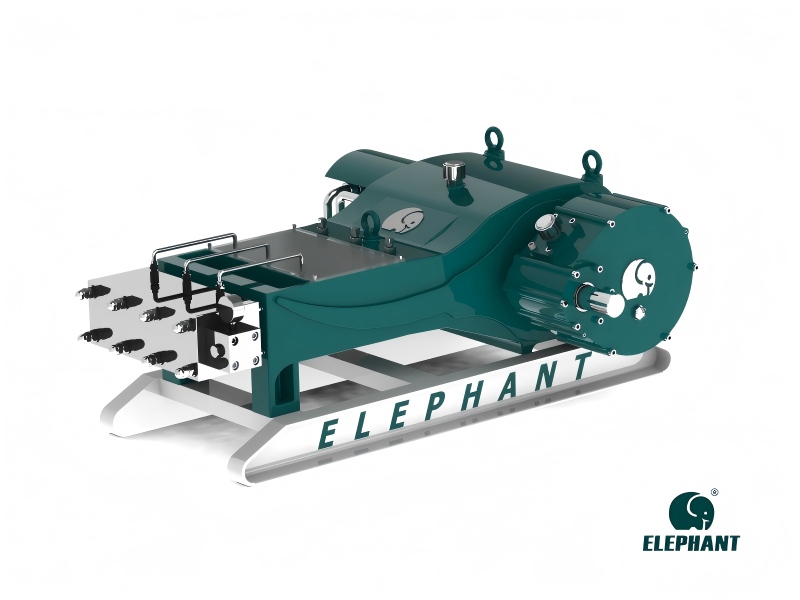
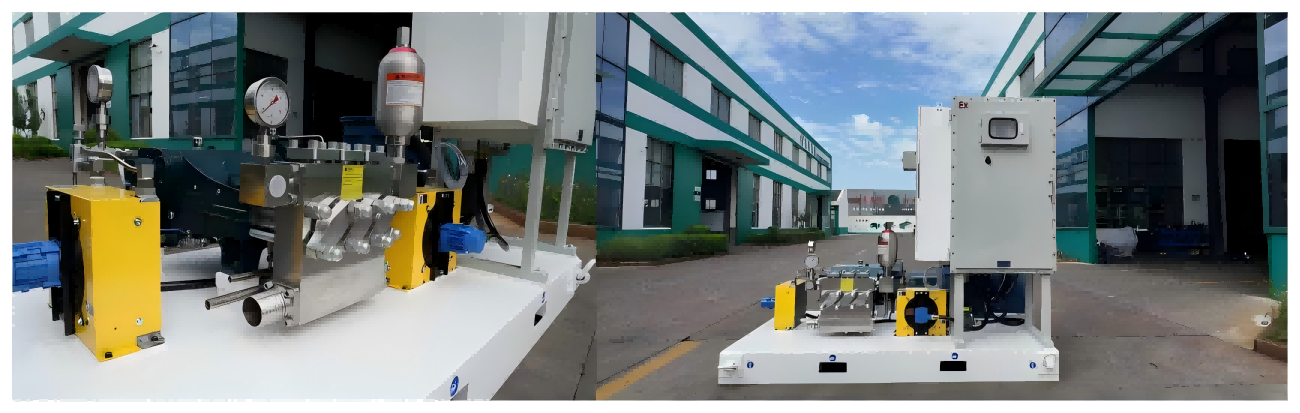
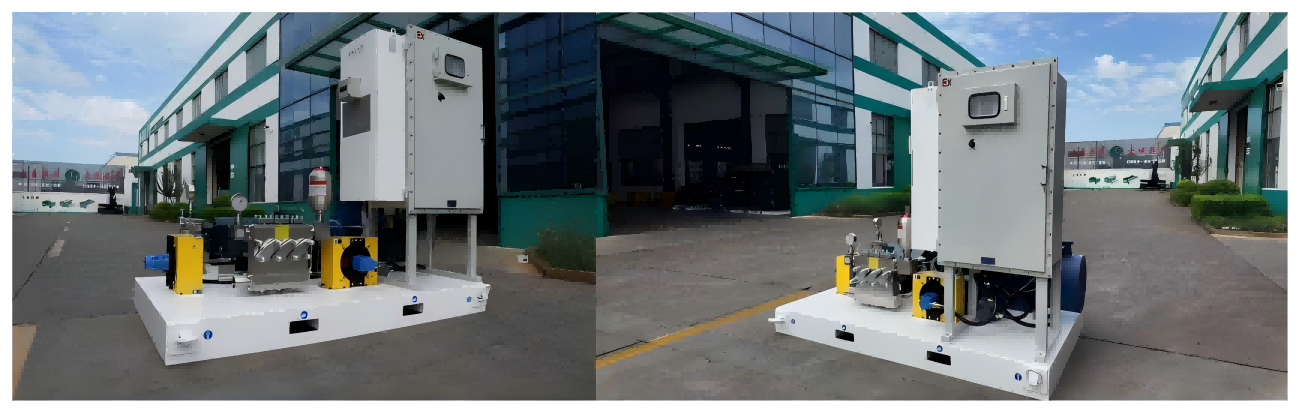
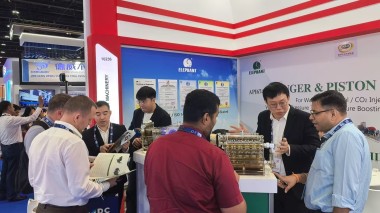
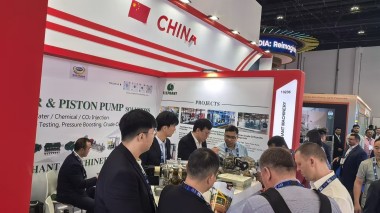
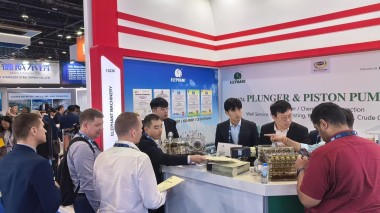
Elephant Machinery specializes in reciprocating piston pump and plunger pump. Designed in compliance with relevant national standards such as GB/T9234-2018, as well as international standards including API 674 Third Edition and ISO 13710:2004, our pumps meet flow and pressure requirements across diverse application fields. We welcome inquiries from professionals in all industries at any time and will provide you with the most professional solutions!

Core Challenges and Key Technical Bottlenecks in Motor Operation Under Low-Temperature Environments

2025-09-26

Low temperature resistant motor: Low-temperature environments (typically referring to -40°C or even below -60°C) pose severe challenges to motor operation, whether for electric vehicles, aerospace, polar research, or special industrial applications. The core challenges and key technical bottlenecks for motor operation under low-temperature environments are detailed below.


I. Core Challenges

The challenges posed by low temperatures are systemic, affecting the motor itself, materials, lubrication, control systems, and even the entire drive system.

Deterioration of Material Properties

Permanent Magnet Demagnetization Risk: This is the most critical challenge for Permanent Magnet Synchronous Motors (PMSMs). The coercivity (resistance to demagnetization) of permanent magnets like NdFeB first increases and then decreases as temperature drops. Below a certain critical low-temperature point (e.g., below -50°C), coercivity decreases sharply. The motor becomes highly susceptible to irreversible demagnetization under high current or overload conditions, leading to permanent performance degradation or even failure.

Embrittlement of Structural Materials: The toughness of metal materials (e.g., housing, shaft) decreases while brittleness increases, making them prone to fracture under vibration or impact loads.

Aging of Insulation Materials: Conventional insulating varnishes, papers, and magnet wire enamels become hard and brittle at low temperatures. Their coefficient of thermal contraction may differ from metals, leading to cracking or peeling of the insulation layer under electromagnetic forces or vibration, causing turn-to-turn shorts or ground faults.


Lubrication System Failure

Lubricating Oil/Grease Solidification: Lubricating greases that flow well at room temperature can become viscous like asphalt or even solidify at low temperatures. This leads to:

High Starting Torque: The motor requires enormous torque to overcome bearing friction during startup, potentially causing startup failure or drive burnout.

Bearing Dry Running: Even after starting, solidified grease cannot form an effective lubricating film, leading to dry friction in bearings, rapid temperature rise, accelerated wear, and significantly reduced lifespan.


Condensation and Icing Issues

Internal Condensation/Icing: When a motor moves from a cold to a relatively warm environment (or vice versa), or when internal heating during operation creates a temperature differential with the cold exterior, moisture in the air can condense inside the motor. Subsequent icing can:

Lock the Rotor: Ice buildup can prevent the rotor from turning.

Damage Insulation: Melted ice can conduct electricity, causing short circuits.

Accelerate Corrosion: Long-term moisture accumulation leads to corrosion of metal components.


Sharp Decline in Battery Performance

For independent power systems like those in electric vehicles, low temperatures are detrimental to batteries. Lithium-ion batteries experience increased internal resistance and reduced activity, leading to:

Drastic Reduction in Usable Capacity: Significantly shortened driving range.

Limited Output Power: Inability to provide sufficient startup and peak power for the motor, resulting in weak performance.

Difficult and Dangerous Charging: Charging at low temperatures easily causes lithium plating, damaging the battery.


Performance Deviation of Control System Electronic Components

The parameters of semiconductor devices (e.g., MCUs, driver chips, sensors) change with temperature. Low temperatures can cause:

Clock crystal oscillator frequency drift.

Reference voltage accuracy degradation.

Sensor (e.g., resolver, encoder) signal distortion.

These issues lead to reduced motor control precision or even loss of control.


II. Key Technical Bottlenecks

Addressing the above challenges, current research and application focus on breaking through the following bottlenecks.

Development and Application of Low-Temperature Resistant Materials

Permanent Magnet Technology: Developing permanent magnets with high corrosion resistance and high/low-temperature stability (e.g., by using heavy rare-earth grain boundary diffusion to increase coercivity) and accurately evaluating their demagnetization curves across the entire temperature range.

Insulation System: Using cold-impact resistant insulating materials, such as polyimide film (Kapton), PTFE, etc., which have very low glass transition temperatures and maintain flexibility at low temperatures.

Structural Materials: Selecting alloys with good low-temperature toughness, special aluminum alloys, or composite materials for housings and shafts.


Low-Temperature Lubrication Technology

Specialized Lubricating Greases: Using low-temperature greases based on synthetic oils with special thickeners, having pour points (solidification points) as low as -60°C or below, ensuring low-temperature fluidity.

Self-Lubricating Materials: Using self-lubricating materials like PTFE or polyimide in bearings or sliding parts to reduce dependence on lubricating grease.

Active Heating and Temperature Control: Integrating miniature heaters (e.g., PTC) to preheat the bearing housing, ensuring the grease is in a workable state before startup.


Thermal Management Technology

Motor Preheating System: Before startup, preheating the motor windings, bearings, and housing uniformly by passing a small reverse current (I²R heating) through the controller or using external heaters. This is key to solving cold start problems.

Sealing and Breathing Systems: Using high-performance seals and designing "breathers" to balance internal and external pressure while preventing moisture ingress. Filling with dry nitrogen or other inert gases is also an effective method.

Integrated Thermal Management: Coupling the motor's thermal management with that of the battery and electronic controller. For example, utilizing waste heat from the battery or controller to keep the motor warm, or designing shared cooling/heating circuits to improve system energy efficiency.


Control Strategies Adapted for Low Temperatures

Online Parameter Identification and Compensation: The controller must be able to identify online changes in motor parameters (e.g., resistance, inductance, flux linkage) due to temperature variations and dynamically adjust control algorithms (e.g., current loop parameters in field-oriented control) to ensure control stability and accuracy.

Derated Operation Strategies: At extremely low temperatures, proactively limit the motor's maximum output torque and power to protect the permanent magnets from demagnetization and prevent battery over-discharge.

Sensorless Startup Technology: Position sensors themselves may fail at very low temperatures. Researching reliable low-speed and zero-speed sensorless control algorithms is crucial as a backup solution in case of sensor failure.


Summary

The core challenges of motor operation in low-temperature environments stem from fundamental changes in the physical properties of materials and the synergistic failure of subsystems (lubrication, power supply). Therefore, the key technical bottlenecks are not singular technologies but rather a systems engineering problem. It requires collaborative design and innovation from multiple dimensions: materials science (low-temperature resistance), mechanical design (sealing and lubrication), thermal management (preheating and insulation), and advanced control (adaptation and fault tolerance). The future trend is toward developing highly integrated, intelligent all-climate electric drive systems. These systems would be capable of self-sensing the environmental temperature and proactively adjusting their operational state to achieve reliable and efficient operation across a wide temperature range, from -60°C to high-temperature environments. Zhongguweike (Shenzhen) Power Technology Co., Ltd. is a National Specialized, Refined, Distinctive, and New  enterprise specializing in the R&D, manufacturing, and application of special motors for harsh environments including vacuum, high temperature, deep low temperature, and radiation. The company's main products include vacuum, high-temperature, low-temperature, and deep low-temperature series of stepper motors, servo motors, radiation-resistant motors, vacuum modules, vacuum gearboxes, and multiple series of standard products. If your motor has specific environmental requirements, please feel free to contact us.


Vacuum Motors Design、Features and Selection Analysis

2025-09-26

The term "vacuum motor" does not refer to a motor based on a specific working principle, but rather to an electric motor capable of operating long-term, stably, and reliably in a vacuum environment. They are the core power components of vacuum equipment (such as semiconductor manufacturing, space simulation, particle accelerators, vacuum coating, etc.).


I. Special Challenges of the Vacuum Environment for Motors

In a vacuum, motors face harsh conditions completely different from those at atmospheric pressure, which directly dictates their special design:

Heat Dissipation Problem (Core Challenge):

There is no air in a vacuum, eliminating heat dissipation through convection; reliance is solely on thermal radiation and heat conduction through the motor's mounting base.

Heat generated during operation (copper losses, iron losses) easily accumulates, causing excessive temperature rise which can damage winding insulation, demagnetize permanent magnets, or cause lubricant failure.

Outgassing Problem:

Materials used at atmospheric pressure (e.g., plastics, paints, adhesives, standard lubricants) adsorb or contain gas molecules. In a vacuum, these gases are slowly released, a process called "outgassing."

Outgassing contaminates the vacuum chamber, making it difficult to maintain vacuum levels, especially in ultra-high vacuum (UHV) applications, where it can severely impact process quality (e.g., semiconductor thin film deposition).

Lubrication Problem:

Conventional grease lubricants will rapidly volatilize and decompose in a vacuum, losing their lubricating properties and becoming a significant source of contamination.

Bearings require special vacuum lubrication solutions.

Material Selection:

All materials must have low vapor pressure and low outgassing rates to ensure their own stability and avoid contaminating the vacuum environment.

Insulation and Voltage Resistance:

While vacuum is an excellent insulator, its breakdown voltage is closely related to electrode material and surface condition. At high voltages, field emission between electrodes is more likely, leading to electrical breakdown (vacuum arc). Therefore, insulation design and manufacturing processes for high-voltage motors are extremely demanding.

Cold Welding Effect:

In ultra-high vacuum, metal surfaces are clean and devoid of oxide films. When similar metals contact, cold welding (cold adhesion) can occur, causing moving parts to seize.

II. Special Design Features of Vacuum Motors

To address the challenges above, vacuum motors are comprehensively optimized in design and material selection.

Thermal Management Design

Low-Loss Design: Uses high-quality low-loss silicon steel sheets and optimized electromagnetic design to reduce heat generation at the source.

Enhanced Heat Conduction Paths:

Uses metal housings (typically aluminum alloy or stainless steel) often with cooling fins to increase radiation surface area.

Ensures tight contact between the motor and the mounting flange, potentially using thermal grease to optimize heat conduction.

Sometimes a water-cooling jacket is designed for the motor to forcibly remove heat via circulating coolant.

Low-Outgassing Material Selection

Structural Materials: Housings, end caps, etc., primarily use stainless steel (e.g., 304, 316L) or aluminum alloys, which have very low outgassing rates and are easy to process.

Winding Insulation: Uses vacuum-compatible materials like polyimide (Kapton), polytetrafluoroethylene (PTFE), oxygen-free copper wire, ceramic insulation. Standard enameled wire and epoxy potting are prohibited.

Lead Wires: Use dedicated vacuum feedthrough interfaces and cables, whose insulation is typically PTFE or ceramic-metal sealed.

Vacuum Lubrication Technology

Solid Lubrication: The most reliable solution. Uses soft metal coatings like molybdenum disulfide (MoS₂) or tungsten disulfide (WS₂) on bearing races and balls, applied via sputtering or ion implantation.

Full Ceramic Bearings: Combinations of ceramic balls (e.g., Si₃N₄) with stainless steel races, offering advantages like high temperature resistance, non-magnetic properties, and low outgassing.

Special Vacuum Greases: Used only in less demanding high vacuum (HV) environments, e.g., perfluoropolyether (PFPE) oils, though their outgassing rate is still higher than solid lubrication.

Application of Special Motor Types

Brushless DC Motors (BLDC): The current mainstream choice for vacuum applications. Reasons:

No brushes, eliminating a major source of wear and particles.

High efficiency, low heat generation, long lifespan, excellent control performance.

Stepper Motors: Often used for precise positioning applications with light loads, such as moving sample stages within vacuum chambers.

Ultrasonic Motors: Utilize the inverse piezoelectric effect of piezoelectric ceramics for drive. Their unique principle offers huge advantages like no electromagnetic interference, compact structure, and the ability to operate directly in ultra-high vacuum (UHV), making them a cutting-edge choice for semiconductors and scientific instruments.

III. Vacuum Motor Selection Guide

Follow these steps to select the appropriate vacuum motor for your application:

Define the Vacuum Level:

Low Vacuum: Might allow use of slightly modified standard motors with special lubricants.

High Vacuum / Ultra-High Vacuum: Must choose professionally designed, fully vacuum-compatible motors employing solid lubrication, metal seals, and low-outgassing materials. This is the primary deciding factor.

Determine the Mounting Method:

In-Vacuum Motor: The entire motor is placed inside the vacuum. Must meet all low-outgassing and vacuum lubrication requirements.

Atmospheric Motor + Magnetic Fluid Seal / Dynamic Seal: The motor is on the atmospheric side, transmitting torque into the vacuum through a sealing device. The motor itself can be standard, but the seal has wear limits and speed restrictions. Suitable for high-power or intermittent operation scenarios.

Match Performance Parameters:

Torque and Speed: Ensure the motor meets the required torque-speed characteristics of the load.

Control Method: Is speed control or position control needed? Match the corresponding driver (BLDC driver, stepper driver, etc.).

Feedback Device: If high-precision control is required, the motor needs to integrate a vacuum-compatible encoder (typically optical and also made from vacuum-compatible materials).

Interfaces and Dimensions:

Electrical Interface: Confirm the type (CF, KF, ISO, etc.) and pin count of the vacuum feedthrough flange.

Mechanical Interface: Check if the motor's mounting holes, shaft diameter, and shaft extension match the equipment.

Brand and Supplier:

Choose reputable brands with deep experience in the vacuum field, capable of providing detailed product outgassing reports, material lists, and vacuum compatibility certifications. Zhonggu Weike, as an enterprise with 12 years of specialization in the R&D and manufacturing of special motors for harsh environments including vacuum, high temperature, deep cryogenic, and radiation, has products certified for reliability by SGS and Moore Laboratories. The company is now certified under both ISO9001:2015 and GJB9001C-2017 quality management systems. Its products are widely used in aerospace, satellite communications, space observation, biomedicine, genetic sample storage, and other fields.

In summary:selecting a vacuum motor is a systematic engineering task centered around solving the three major problems of heat dissipation, outgassing, and lubrication. Never use a standard motor directly in a vacuum environment. You should fully communicate with the supplier's technical personnel, providing detailed application scenarios to ensure the selected product is fully compatible with your project.

A Press-free Feeding Device of Printing Machine Patent Certification

2025-09-25

Being as packaging machine manufacturer of corrugated industry for more than 20 years, Keshenglong has our own experience and innovate continuously.

On Feb. 26th, 2016, our company GUANGZHOU KESHENGLONG CARTON PACKING MACHINE CO.,LTD. applied for a press-free feeding device of printing machine patent certification.

After more than two years of experts approval, SIPO granted the patent to us for 20 years duration.

Since we designed this press-free feeding device, when clients using our cardboard box printing machine, would sincerely feel the convenience, high efficiency and reliability.

buy printer slotter die cutter

Application of Water-based Ink in Carton Printing

2025-09-25

In the call for environmental protection, energy conservation, pollution reduction, recycling and safe production, our country's packaging and printing water-based inks have ranked the top among other packaging printing inks with its 35% usage in just a few years.


The development speed of water-based ink makes other inks hard to beat. In the past, the poor gloss of ink on paper, poor water resistance, poor adhesion, difficult overprinting, discoloration and fading, and products that are easy to warp edges and corners have been improved. This is very beneficial to promote the application of water-based inks on cartons. In addition, the ink has the characteristics of non-explosion, no transportation hazard, no pollution, no toxicity, etc., and water is used to adjust the drilling degree and clean the printing equipment, which reduces the production cost and labor intensity, and reduces the hidden safety hazards for the production, transportation and users.


3 colour printing


Keshenglong is professional carton packing machine exporter,our main products are flexo printing machine,flexo case-maker,die-cutting machine etc.

Automatic packing requirements for the design and printing of corrugated boxes | klcartonmachinery.com

2025-09-25

Different from manual packing, automatic packing equipment has higher requirements on carton creasing and grooving. What are they? Let's take a look.


1. The creasing line should be clear, creasing line and slotting position should be accurate.


2. Corner hole should not be too large.


3. The surface of the carton should be sealed with transparent adhesive.


4. The surface of  the finishing paper must have a certain roughness.


5. It has to have good flatness.


Anything about carton box printing machine’s question, welcome to contact us: kl@keshenglong.com.cn


carton machine manufacturer

Case in Germany

2025-09-25

Our Keshenglong Jumbo size Model K1 computerized flexo printing slotting die-cutting machine is unique and rare which makes it much more attractive than the other normal standard corrugated carton box flexo printing machines in the world.

Here’s one of our cases in Germany, customer bought our Model K1 Jumbo size carton flexo printing machine and runs normally. No matter the printing register precision, max. machine speed, slotting precision, die cutting precision, processed board thickness can reach each technical performance indicators on the technical contract.

The flexo printing slotting machine meets client’s production needs, which is what we want!

Below are some pictures of our client and the corrugated printing machine.

sweet box making machine


china carton box making machine


china packaging machinery factory

Categories
Tags