头部背景图片

Chinese New Year Celebrating Traditions & Service Update

2025-09-29

Dear Customers,

Chinese New Year, or Lunar New Year, is a time of celebration, family reunions, and new beginnings.  As one of China’s most important holidays, it is celebrated with festive traditions and a sense of hope for the year ahead.  We’d like to share a glimpse into these traditions and inform you of our service schedule during this period.

Chinese New Year Traditions

During Chinese New Year, families come together to celebrate with a variety of traditions:

Spring Cleaning: Symbolizing the removal of bad luck to welcome the new year’s prosperity.

Reunion Dinner: A feast with loved ones, filled with traditional foods and blessings.

Red Envelopes: A symbol of good luck, where elders give money-filled envelopes to younger family members.

Festive Celebrations: Including dragon and lion dances, fireworks, and decorations in red and gold.

Lunar New Year

Service Update During the Holiday

To allow our team to celebrate with family, our operations will be adjusted during this period.  Please note the following:

Holiday Period: Our team will be on holiday from Chinese New Year’s Eve (Lunar New Year’s Eve) to the 7th day of the lunar new year.

Response Time: Expect slower response times for emails and inquiries.  We will prioritize addressing them as soon as we return.

Order & Shipping: Some shipments may be delayed.  We recommend placing orders early to avoid any disruptions.

Product Support: For product-related questions, feel free to contact us before the holiday.  We’ll handle everything promptly after the break.

A New Year, A New Opportunity with AOYIN Tools

As we enter the new year, AOYIN Tools remains committed to providing you with high-quality diamond tools for stone, ceramic, and construction industries.  Whether you need diamond saw blades, core bits, or polishing tools, we offer innovative solutions to enhance your business.

We appreciate your understanding during the holiday season and look forward to a continued partnership in the coming year.  Together, we will face new opportunities and challenges with high-performance tools that meet your every need.

Wishing you a prosperous and successful New Year!

The AOYIN Tools Team

How Do You Drill Into Strong Concrete?

2025-09-29

Introduction

Drilling into strong concrete can seem challenging, but with the right tools and techniques, it’s straightforward. Using diamond core drill bits or concrete core bits, along with proper preparation, ensures precision and efficiency. Let’s break it down.

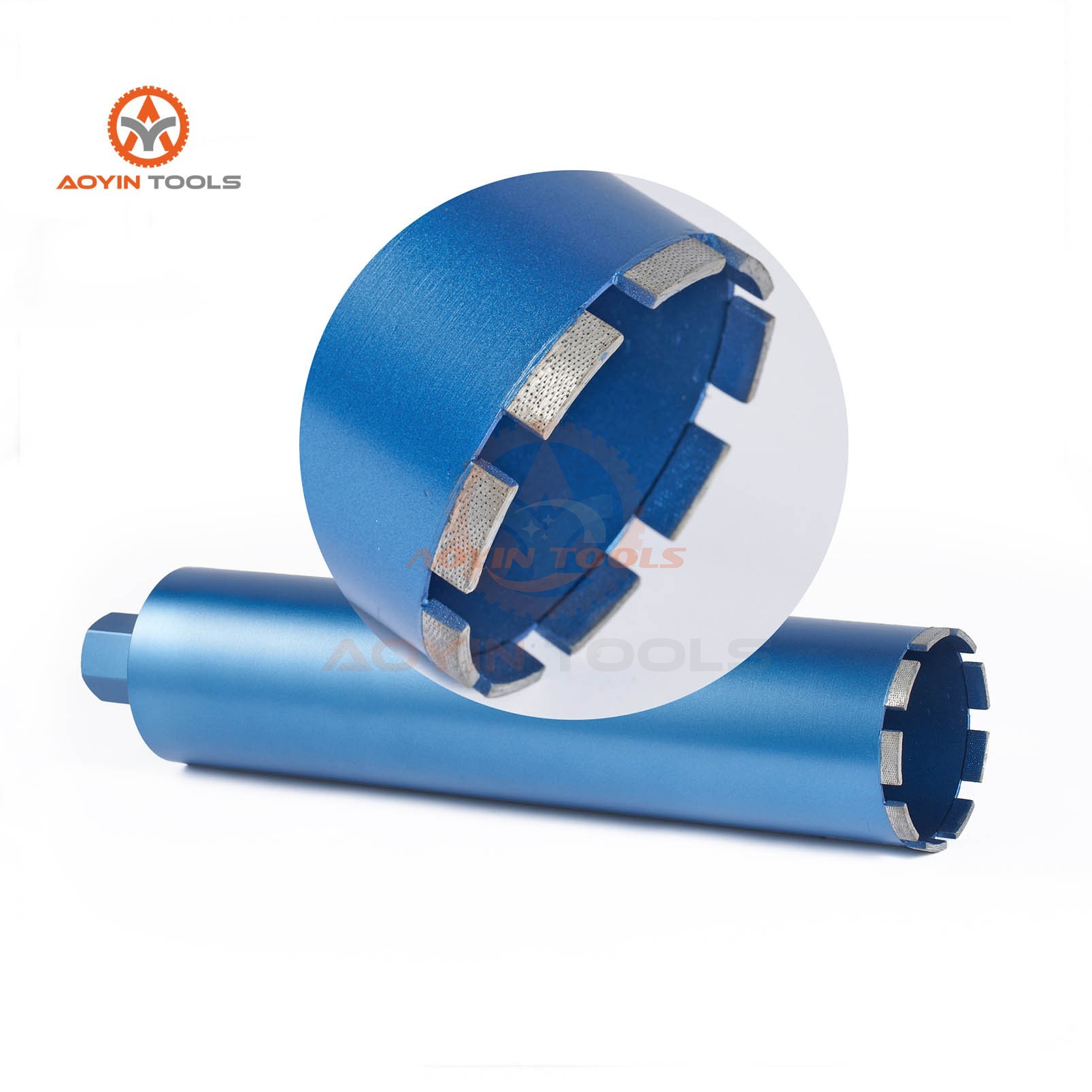
concrete diamond core bit

1. Choose the Right Drill Bit

Selecting the right drill bit is critical for smooth drilling:

-Diamond Core Drill Bits: Ideal for dense concrete, providing precision and durability. Wet diamond core drill bits reduce wear and improve cutting.

-Concrete Core Bits: Suitable for general tasks. A 4-inch core drill bit works well for medium holes, while a 6-inch core drill bit handles larger jobs.

2. Use the Right Drill

-Concrete demands the right machine for the job:

-Rotary Hammer Drills: Perfect for tough tasks and larger bits, like a 4 1/2 inch concrete core bit.

-Core Drills: Designed for deep, large-diameter holes, offering the power needed for professional results.

3. Prepare the Surface

-Preparation ensures accuracy:

-Clean the Surface: Remove dust and debris for stability.

-Mark the Spot: Pinpoint your drilling location to prevent errors.

4. Follow the Drilling Process

Drill like a pro with these steps:

-Start Slowly: Use a smaller bit (e.g., 2 1/2 inch core drill bit) to create a pilot hole.

-Add Speed Gradually: Once aligned, increase speed and pressure.

-Go Wet: Use water to cool the bit, especially with diamond core drill bits, to reduce dust and wear.

5. Safety Tips

Stay safe while drilling:

-Wear PPE: Goggles, gloves, and a dust mask are essential.

-Secure the Area: Ensure both the drill and surface are stable.

Conclusion

Drilling into strong concrete is easy with the right tools and methods. Whether you’re using a 4-inch core drill bit for medium tasks or wet diamond core drill bits for precision, preparation and technique make all the difference. Follow these tips for safe, efficient, and professional results.

Wet Diamond Core Drill Bits For Concrete And Stone

What Grinder Wheel for Ceramic Tile? The Ultimate Guide to Diamond Tools

2025-09-29

In the Ceramic Tile Processing Industry, diamond tools have become the standard equipment due to their exceptional wear resistance and efficient grinding capabilities. This comprehensive guide explores various types of diamond tools, their applications, and selection criteria to help you find the optimal solution for your processing needs.


Core Advantages of Diamond Tools in Ceramic Processing

As the hardest natural material, diamond tools demonstrate unparalleled advantages in ceramic tile processing:

  • Superior Wear Resistance‌: Outlasting conventional tools significantly, reducing replacement frequency and operational costs
  • High Grinding Efficiency‌: Rapid material removal with low grinding temperatures prevents thermal damage to tiles
  • Excellent Processing Precision‌: Specially designed diamond tools create straight, smooth tile edges meeting premium export standards
  • Versatility‌: Suitable for complete processing from rough grinding to fine polishing


Dry vs. Wet Grinding Systems: Selection Guide

Dry Grinding Wheel System

The dry grinding process has gained popularity for its efficiency and environmental benefits:

  • Water-Free Operation‌: Eliminates wastewater treatment requirements, complying with modern environmental standards
  • Real-Time Visibility‌: Immediate observation of processing effects allows timely adjustments
  • Durable Finish‌: Pure physical polishing delivers longer-lasting surface gloss
  • Cost Efficiency‌: Saves time and energy by eliminating drying processes

Main dry grinding wheel types:

Wet Grinding Tool System

Wet grinding remains preferred for precision applications due to:

  • Ultra-Fine Grinding‌: Liquid medium enables finer, more uniform particle distribution
  • Superior Heat Control‌: Effectively reduces friction heat, protecting heat-sensitive materials
  • Dust Elimination‌: Completely avoids dust issues present in dry grinding
  • Process Integration‌: Particularly suitable for workflows requiring subsequent wet processing

Common wet grinding tools include:

  • Front/rear grinding metal diamond wheels
  • Diamond calibration rollers
  • Flexible diamond tools (especially for curved surfaces)


Metal-Bond vs. Resin-Bond Tools: In-Depth Comparison


Characteristic Metal-Bond Diamond Tools Resin-Bond Diamond Tools
Bond Strength‌ High Medium
Wear Resistance‌ Excellent, long lifespan Moderate, frequent replacement needed
Grinding Behavior‌ Heavy-duty rough grinding Fine grinding/polishing
Surface Finish‌ Relatively coarse Extremely smooth
Thermal Stability‌ Excellent heat resistance Prone to aging at high temperatures
Applications‌ Initial processing/mass production Precision finishing/high-gloss requirements
Cost‌ Higher More economical


Metal-bond tools dominate large-scale production with ‌exceptional durability‌, while resin-bond products excel in high-end markets with ‌superior surface quality‌.


How to Select the Right Diamond Tools

Consider these key factors when choosing diamond tools:

Tile Type‌:

  • High-hardness tiles require more wear-resistant metal-bond tools
  • Glazed tiles suit resin-bond tools to prevent surface damage

Processing Stage‌:

  • Rough processing: Metal-bond dry wheels or powerful wet tools
  • Fine finishing: Resin-bond or flexible diamond tools

Production Environment‌:

  • Water-scarce regions should prioritize dry systems
  • Precision environments may configure wet equipment

Budget Considerations‌:

  • Long-term mass production benefits from high-quality metal tools
  • Small-batch diversified production can use resin tools flexibly

Technology Trends‌:

Stay updated on advancements like ‌nano-diamond coating technology‌ and ‌intelligent grinding systems‌.


Conclusion

As core tools in ceramic tile processing, diamond tools directly impact product quality and production efficiency. Understanding the crucial differences between ‌metal-bond durability‌, ‌resin-bond precision‌, and ‌dry/wet process characteristics‌ will guide informed purchasing decisions. With technological progress, diamond tools continue advancing the ceramic processing industry toward greater efficiency and precision.

What Is A Diamond Core Drill Bit Used For?​

2025-09-29

Ever faced a reinforced concrete wall, dense granite countertop, or delicate tile surface that made ordinary drill bits blunt, snap, or simply fail? When conventional tools meet their match, ‌diamond core drill bits‌ emerge as the professional’s indispensable secret weapon. This seemingly simple tool harnesses cutting-edge material science to tackle jobs where others falter.

‌The Secret Weapon: Industrial Diamond Power‌
The ‌core advantage‌ of diamond core bits lies in their cutting edge: industrial-grade diamond particles—nature’s hardest material—embedded via sintering or electroplating into a robust steel body. This ‌diamond cutting technology‌ delivers unmatched hardness and wear resistance.

As the bit rotates, these diamond grits act as microscopic, indestructible chisels, grinding through the toughest substrates. The result?

  • ‌Blazing Speed:‌ Rapid penetration into concrete, stone, and tile.
  • ‌Legendary Longevity:‌ Outlasts conventional bits exponentially.
  • ‌Surgical Precision:‌ Creates clean, accurate holes with smooth walls.

Where Diamond Core Bits Dominate (Key Applications)‌
This unique design makes diamond core bits irreplaceable for:

1‌.Construction & Renovation: Mastering Concrete‌

  • ‌Utility Penetrations:‌ Precision holes for pipes (plumbing, gas), electrical conduits, and HVAC ducts (‌concrete drilling‌).
  • ‌Slab Penetrations:‌ Creating vertical chases for stairs, elevators, or utility risers (‌slab penetration drilling‌).
  • ‌Anchor Holes:‌ Drilling deep holes for structural anchors securing heavy machinery or steel frames.
  • ‌Structural Analysis:‌ Extracting pristine ‌concrete core samples‌ for strength testing and quality control.

2‌.Stone Fabrication: Precision in Granite, Marble, Engineered Stone‌

  • ‌Fixture Cutouts:‌ Perfect faucet, soap dispenser, or sink holes in countertops (‌countertop sink cutout‌).
  • ‌Pipe/Outlet Openings:‌ Creating clean openings in stone walls or floors.
  • ‌Artistic Work:‌ Crafting intricate designs or inlays.
  • ‌Quality Verification:‌ Obtaining ‌stone core samples‌ for geological or durability assessment.

3.Tile, Porcelain & Glass: Drilling Without Disaster‌

  • ‌Bathroom & Kitchen Installations:‌ Chip-free holes for shower fixtures, towel bars, and outlets in fragile tile (‌precise tile hole cutting‌).
  • ‌Glass Processing:‌ Safe drilling for tabletops, shower doors, or facades (‌safety glass drilling‌), requiring specialized technique and cooling.

4.Other Challenging Materials‌

  • ‌Brick/Block:‌ Fast, clean holes.
  • ‌Refractory Materials:‌ Furnace linings and high-heat insulation.
  • ‌Pavement:‌ ‌Asphalt coring‌ for roadway testing.
  • ‌High-Strength Composites.‌

‌Choosing the Right Diamond Core Bit: Critical Factors‌
Not all diamond core bits are equal. Match the bit to your task by considering:

  • ‌Segment Bond Hardness:‌
    • ‌Soft Bond:‌ Best for abrasive materials (e.g., reinforced concrete, sandstone). Allows diamonds to "expose" faster, maintaining sharpness.
    • ‌Hard Bond:‌ Ideal for hard, non-abrasive materials (e.g., granite, glass, porcelain). Offers maximum segment support and durability.
  • ‌Diamond Grit Size & Concentration:‌ Fine grit/high concentration for hard, brittle materials; coarse grit/lower concentration for soft, abrasive substrates.
  • ‌Arbor/Shank Type:‌ Must fit your drill machine (handheld, stand drill, magnetic drill). Common options: 1-1/4" UNC, SDS-Plus, SDS-Max, ARROW, Hex.
  • ‌Hole Diameter & Depth:‌ Select size based on project requirements.
  • ‌Wet Drilling vs. Dry Drilling:‌
    • ‌Wet Drilling (Highly Recommended):‌ Water cooling drastically extends bit life, boosts speed, and suppresses dust. Essential for ‌concrete drilling‌ and large jobs.
    • ‌Dry Drilling:‌ Suitable only for limited, small-diameter work (e.g., a few ‌tile holes‌). Requires specifically designed dry bits and strict heat management (short bursts, cooling breaks).

‌Pro Tips for Safe & Efficient Diamond Core Drilling‌

  • ‌Lock Down Your Rig:‌ Stability is non-negotiable. Use magnetic drill bases, drill stands, or vacuum mounts. Handheld drills are only for very small diameters.
  • ‌Cooling is King:‌
    • ‌Wet Drilling:‌ Ensure constant water flow to the cutting face. Dedicated core drill rigs feature integrated water pumps.
    • ‌Dry Drilling:‌ Drill in short bursts (3-5 seconds), allow ample cooling time between bursts, and use bits with deep laser-cut heat-dissipation slots.
  • ‌Optimize RPM:‌ Larger diameters require lower RPM. Consult manufacturer specs. Overspeeding causes overheating and premature diamond loss.
  • ‌Apply Steady, Moderate Pressure:‌ Let the diamonds do the cutting. Excessive force wears bits rapidly or damages the material.
  • ‌Keep Bits Sharp:‌ Slow progress, increased pressure, or smoke/sparks signal a dull bit. For wet bits, "redressing" on abrasive concrete or brick can sometimes restore sharpness. Severely worn segments require replacement.
  • ‌PPE is Mandatory:‌ Always wear safety glasses/goggles, a NIOSH-approved respirator (N95+), gloves, and hearing protection.

‌The Cost of Using the Wrong Bit‌
Imagine ruining an expensive granite countertop with a chipped edge from a standard bit. Or drilling off-mark in a load-bearing concrete beam, causing delays and safety risks. Choosing the correct ‌diamond core drill bit‌ and proper technique safeguards your project’s efficiency, accuracy, and budget.

‌Conclusion‌
Leveraging ‌diamond cutting technology‌, diamond core bits deliver unmatched performance in concrete, stone, tile, and glass. Understanding their ‌core applications‌, selection criteria, and operating protocols is crucial for contractors, stonemasons, and serious DIYers. When clean, precise, and robust holes in hard materials are essential, a diamond core bit is the definitive solution.

‌Need the Right Diamond Core Bit for Your Tough Job?‌
Contact our engineering team for expert product selection advice and technical support. Get the precision and performance professionals trust.

Core Drill Diamond

What is the Best Saw Blade to Cut into Stone?

2025-09-29

For professionals tackling stone projects, choosing the right saw blade is critical for efficiency, precision, and safety. Diamond saw blades are universally recognized as the best solution for cutting stone—whether granite, marble, quartzite, or engineered materials like sintered stone slabs. Here’s why:  

Why Diamond Blades Dominate Stone Cutting

Diamond blades leverage synthetic diamond crystals embedded in their cutting edge to grind through stone’s dense structure. Unlike conventional abrasive blades, diamonds—the hardest material on earth—outlast other abrasives, delivering:  

  • Unmatched durability against stone’s abrasive nature  
  • Faster, cleaner cuts with reduced chipping  
  • Versatility across wet or dry applications  
  • Long-term cost savings due to extended lifespan  

Key Diamond Blade Types for Stone

Selecting the optimal blade type depends on your material and desired finish:  

1. Continuous Rim Blades

  • Design: Smooth, uninterrupted edge.  
  • Best for: Delicate materials like marble, ceramic tile, or glass. Delivers chip-free cuts ideal for visible surfaces.  
  • Use: Wet cutting only to prevent overheating.  

2. Turbo Rim Blades

  • Design: Serrated or notched edge for improved debris removal and cooling.  
  • Best for: Granite, marble, concrete, and engineered stone. Balances speed and a polished finish.  
  • Use: Wet or dry; ideal for handheld angle grinders or tile saws.  

3. Segmented Blades

  • Design: Gullets between segments for aggressive material removal.  
  • Best for: Hard, abrasive stone (e.g., granite, reinforced concrete). Prioritizes speed over finish.  
  • Use: Dry cutting or wet; common in construction.  

Stone-Specific Blade Recommendations

  • Marble: Use soft-bonded, continuous-rim blades to prevent edge chipping. Example: Blades with high-purity diamond matrices ensure smooth cuts.  
  • Granite & Quartzite: Opt for turbo or segmented turbo blades with hard bonds. Example: Alpha Q-Cut blades designed specifically for quartzite and hard granite.  
  • Engineered Stone (e.g., Rock Slabs): Requires dedicated sintered blades (e.g., 350mm diameter, 2mm thickness) to handle extreme hardness.  

Critical Selection Factors

1. Bond Hardness:  

  • Soft bonds (for hard stone like granite) expose diamonds faster to maintain sharpness.  
  • Hard bonds (for soft stone like marble) prolong diamond retention.  

1. Wet vs. Dry Cutting:  

  • Wet blades use water to cool the cut, extend blade life, and reduce dust.  
  • Dry blades (e.g., segmented designs) suit quick cuts but require cooling breaks.  

3. Blade Specifications:  

  • Match diameter, arbor size, and segment height to your saw and material thickness (e.g., 4"–9" blades for tile saws; 10"–14" for slabs).  

Maximizing Blade Performance

  • Lubrication: Always use water with wet blades to prevent overheating.  
  • Break-in Period: Run new blades at half-speed for 1–2 minutes to condition segments.  
  • Pressure: Let the blade grind naturally—forcing it causes overheating and warping.  

Top Industry Blades

  • Alpha Q-Cut Series: Engineered for quartzite and granite; wet-use variants available for tile saws.  
  • Sintered Turbo Blades: Feature deep segments for undercut protection and vented cores for cooling (e.g., 230mm × 2.6mm blades).  

In Summary: The best blade for cutting stone is a diamond blade tailored to your stone type and tools. Prioritize turbo blades for granite/marble, continuous rims for delicate finishes, and specialized sintered designs for engineered stone. Pair your blade with proper lubrication and break-in practices to achieve precise, efficient cuts every time.  

Pro Tip: Always verify blade specs (RPM, arbor size, wet/dry rating) against your saw’s capabilities to ensure safety and performance.

What Kinds of Work Are Diamond Grinding Wheels Used For?

2025-09-29

Introduction

Diamond grinding wheels are indispensable tools in modern stone processing, offering unparalleled efficiency in material removal and surface finishing. As a leading manufacturer of stone processing tools, we'll explore how these precision instruments revolutionize workflows across industries.


Core Applications in Stone Processing

  • Surface Preparation Mastery
  1. Material Leveling: Efficiently removes uneven surfaces on granite/marble slabs (3-5mm depth per pass)
  2. Coating Removal: Strips epoxy/paint from stone surfaces without substrate damage
  3. Adhesive Cleanup: Eliminates thinset mortar residues with 95% effectiveness
  • Precision Shaping Solutions
  1. Edge Profiling: Creates 45° bevels on countertops with ±0.2mm tolerance
  2. Contour Crafting: Produces complex curves on architectural stone elements
  3. Surface Refinement: Achieves 80-3000 grit finishes for varied aesthetics

Material-Specific Performance

Material Type

Recommended Wheel

Optimal Grit Range

Granite

Turbo Cup

30-400

Marble

Segmented

60-800

Engineered Stone

Double Row

70-500


Technical Selection Guide

  • Wheel Types Comparison
  1. Single Row: 15% faster coating removal vs. conventional wheels
  2. Turbo Cup: 40% better cooling for continuous marble polishing
  3. Hybrid Segments: Combine 3-5mm diamond clusters for mixed-material jobs
  • Operational Parameters
  1. RPM Range: 4,500-11,000 (varies by material hardness)
  2. Recommended Feed Rate: 0.5-1.2m/min for optimal diamond utilization
  3. Average Lifespan: 35-80 working hours (proper maintenance)


Pro Tips for Stone Professionals

  • Always match bond hardness to material abrasiveness
  • Implement dry grinding only with heat-dissipating wheel designs
  • For mirror finishes, progress through 4-6 grit stages systematically


Conclusion

Modern diamond grinding cup wheels deliver surgical precision in stone fabrication. Our premium-grade solutions feature:

  • Vacuum brazed diamond clusters (30% longer life)
  • Laser-welded segments (zero detachment risk)
  • Customizable segment patterns for specialty applications


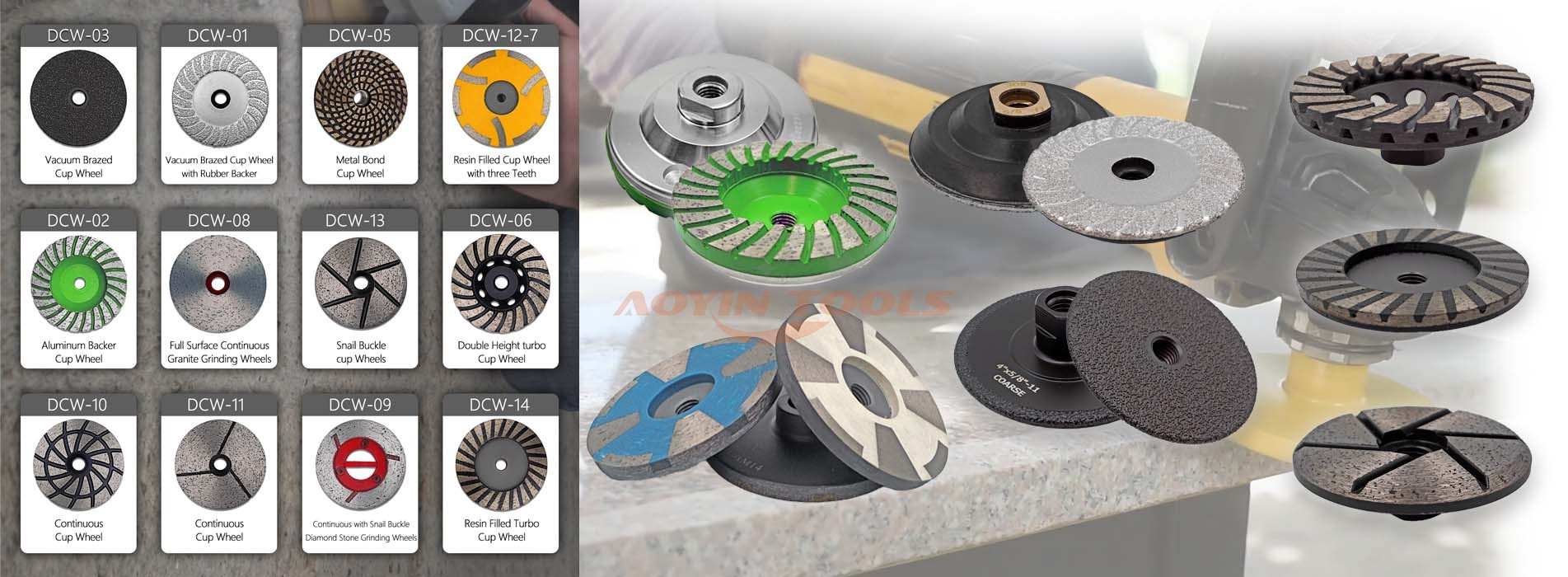
Diamond Grinding Cup Wheels

What Material Cannot Be Cut By a Diamond Cutting Tool?

2025-09-29

5 Surprising Materials Diamond Blades Can’t Cut (And What to Use Instead)

Diamond blades are renowned for slicing through concrete, tile, and stone with ease. But even the hardest tool on Earth has its limits. Certain materials can render these blades useless—or even damage them. Discover five materials that defy diamond blades and smarter alternatives for your projects.


1.High-Carbon Steel & Iron-Based Alloys

‌Why They Fail‌: Extreme heat (over 700°C) from friction triggers a reaction where carbon in diamonds bonds with iron, forming brittle iron carbide.
‌Real-World Case‌: A construction team reported sparks, smoke, and a warped blade within minutes of cutting rebar.
‌Fix‌: Use carbide-tipped blades or oxygen-acetylene torches.

2.Soft Metals: Aluminum, Copper, Lead

The Clogging Hazard‌: Melted metal gums up blade gaps, causing overheating and kickback.
‌Data Insight‌
 In an experiment, a diamond blade cutting aluminum caused the temperature to spike by 200°C in just 30 seconds.
‌Alternative‌: Teflon-coated blades or cold-cutting saws.

3. Rubber & High-Ductility Plastics

‌Elasticity vs. Abrasion‌: Rubber flexes instead of fracturing under diamond grinding.

‌Industry Practice‌: Tire makers use waterjets for clean cuts without blade slippage.

4. Titanium & Nickel Superalloys

‌Thermal Fatigue‌: Titanium’s heat resistance (>1000°C) degrades diamond blades. NASA data shows 3x faster wear than silicon carbide.

‌Pro Tip‌: Ceramic blades or EDM are preferred for aerospace components.

5. Fiberglass Composites (GFRP/CFRP)

Hidden Damage‌: Diamond blades can tear the resin matrix of fiberglass composites, causing fiber delamination. This compromises the material’s structural integrity.

Industry Practice‌: In shipbuilding, sanding or grinding is often used instead of direct cutting to avoid damaging fiberglass composites.
Alternative‌: Abrasive grinding wheels are safer and more effective for fiberglass.

 diamond blades

Why Diamond Blades Excel in Stone & Concrete Cutting

While diamond blades struggle with the materials listed above, they remain the top choice for cutting stone, reinforced concrete, and other hard, brittle materials. Their ability to maintain sharpness and precision in these applications makes them indispensable in construction, masonry, and stone fabrication.

Choose the Right Tool for the Job

Understanding the limitations of diamond blades ensures safer, more efficient operations and extends the life of your tools. For materials like steel, aluminum, rubber, titanium, and fiberglass, explore the alternatives mentioned above to achieve the best results.


When it comes to cutting stone, concrete, and similar materials, diamond blades are unmatched. Visit our store to explore our premium diamond blade collection designed for your toughest cutting challenges.


Will a diamond core bit go through rebar? ---Drilling Through Reinforced Concrete Overcoming Rebar Challenges

2025-09-29

Drilling through reinforced concrete presents unique challengesnot only due to the concrete itself, but also because of embedded steel bars (rebar). Rebar adds structural integrity to concrete but can hinder most standard drill bits. So, can a diamond coring drill bit successfully drill through steel bars?  The answer is yes, with the right diamond segmented core bit. Diamond Segmented Core Bits with Ordered Arrangement for Reinforced Concrete are designed specifically for this purpose, making them ideal for construction and demolition projects that require effective drilling through both concrete and rebar.


Diamond Segmented Core Bits with Ordered Arrangement

About Diamond Segmented Core Bits

Diamond segmented core bits are robust drilling tools with high-quality industrial-grade diamonds embedded in segments along the cutting edges. This segmented design uses the strength and wear resistance of diamonds to cut through dense materials like reinforced concrete and steel rebar. Unlike traditional core bits, these specialized diamond bits can withstand the wear challenges that reinforced concrete presents.

The cutting segments are arranged in a precise pattern to ensure even wear distribution and optimal cutting speed. This configuration efficiently dissipates heat and minimizes friction, enabling smooth penetration of concrete and steel without overheating, which is critical for long-duration drilling tasks.


Advantages of Using Diamond Segmented Core Bits with Ordered Arrangement

1. Enhanced Durability and Longevity 

Reinforced concrete can quickly degrade standard bits; however, diamond segmented core bits are designed for extended service life. Their organized segment layout distributes wear evenly, enabling them to work on abrasive materials like concrete and rebar over longer periods.

2. Efficient Rebar Penetration 

The embedded diamond segments are durable enough to cut through rebar, whereas traditional drill bits may overheat or break when encountering metal. The precise arrangement of segments ensures these core bits remain efficient even when cutting through steel reinforcement.

3. Smooth, Precise Cuts 

Standard tools often leave rough edges when drilling through rebar, while diamond segmented core bits provide smooth, clean cuts in reinforced concrete. This precision is crucial for construction or renovation tasks that require exact hole dimensions.

4. Reduced Heat Buildup 

The ordered segment arrangement reduces friction and promotes airflow, keeping the temperature lower during operation. Excessive heat can cause premature wear on drill bits, so this feature extends tool life while ensuring efficient drilling.


Applications for Diamond Segmented Core Bits with Ordered Arrangement

Diamond Segmented Core Bits with Ordered Arrangement for Reinforced Concrete are widely used in construction, renovation, and demolition sectors, especially in projects requiring drilling through reinforced structures:

  • Bridge and Road Construction: Essential for drilling into reinforced concrete structures such as bridges or highways.
  • Utility and Infrastructure Projects: Ideal for installing pipes or electrical conduits within solid walls or floors.
  • Building Renovations: Useful when modifications require precise drilling through structural elements without affecting surrounding areas.


Selecting the Right Diamond Segmented Core Bit

When choosing a diamond segmented core bit for reinforced concrete, consider the following factors:

  • Segment Height: Higher segment heights usually mean greater durability. For reinforced concrete, segments around 10mm to 12mm are typical.
  • Diamond Quality: High-grade industrial diamonds offer superior cutting performance and durability.
  • Connection Type: Ensure compatibility with your equipment; core bits come with different connection types (e.g., 1-1/4 UNC or SDS).
  • Cooling Method: Water cooling helps prevent overheating. Determine whether the bit is suitable for wet or dry use, depending on your specific requirements.


Tips for Drilling Through Reinforced Concrete with Diamond Core Bits

  • Start Slowly: Begin at a lower speed to prevent overheating and ensure accuracy.
  • Apply Steady Pressure: Avoid excessive force; let the diamond segments do the work.
  • Use Water Cooling: Continuous water flow aids in temperature control and debris removal, enhancing performance.
  • Anticipate Resistance Changes: Expect resistance to increase when encountering rebar; reduce speed slightly to maintain a consistent cut.


Conclusion

Yes, a diamond core bit can go through rebarbut using the right bit is essential. Diamond Segmented Core Bits with Ordered Arrangement for Reinforced Concrete are engineered specifically to tackle the challenges of drilling through both concrete and steel. Their durability, precision, and efficiency make them an ideal choice for professionals in construction, infrastructure, or building renovation, enabling them to handle even the toughest jobs with confidence.

Investing in a high-quality diamond core bit for reinforced concrete can save time, money, and effort, delivering cleaner, faster, and more efficient drilling results.

Core Bit for Concrete

Efficient, environmentally friendly, and intelligent cement automatic loading machine leads industry transformation

2025-09-29

In modern cement production, the loading process has always been a pain point with high labor intensity, serious dust pollution, and difficulty in ensuring efficiency. With the continuous rise of labor costs and increasingly strict environmental requirements, traditional manual loading methods are no longer able to meet the needs of modern cement enterprises. The cement automatic loading machine launched by Xiamen Gachn Group is a high-end intelligent equipment designed to solve these problems.


What is a cement automatic loading machine?

The Gachn Group Cement Automatic Loading Machine is an efficient and stable specialized equipment for automatic loading of bagged cement that integrates CNC, mechatronics, and servo technology. Its biggest highlight lies in the use of 3D radar scanning technology, which can quickly and accurately identify vehicle models and carriage structures, achieve intelligent modeling and maximize space utilization, support multiple code packaging methods such as horizontal and vertical packaging, and ensure neat and stable code packaging, greatly improving the quality and efficiency of loading.


Six core advantages define new industry standards

1. Suitable for all vehicle models, flexible and intelligent

The consolidation and loading machine can be applied to almost all vehicle types, including tricycles, agricultural vehicles, flatbed trucks, semi trailers, tractors, high rail trucks, etc. The carriage can support a maximum height of 4.0 meters, a width of 1.4-3.0 meters, and a length of 0.7-17.5 meters, truly achieving "one machine for multiple uses".

2. Efficient loading, stable and reliable

The automatic loading capacity is as high as 95-120 tons/hour, far higher than most robotic solutions on the market (usually only 70-80 tons/hour), and can operate continuously for 24 hours, greatly improving shipping efficiency.

3. Environmentally friendly and clean, with guaranteed occupational health

The equipment adopts a low-level drop bag design, with the machine head directly inserted into the carriage for operation, greatly reducing dust and bag breakage. Paired with a dust collection system, significantly improving the working environment for workers.

4. Intelligent operation, easy maintenance

The humanized human-machine interface (HMI) supports intuitive operation and remote monitoring, reducing the learning cost for operators. The independent modular design also makes maintenance more convenient and fault handling faster.

5. Strong adaptability to cope with complex scenarios

Whether it is a high beam vehicle or an extra long vehicle, the consolidation and loading machine can flexibly respond through segmented loading technology and dual code package head design, supporting horizontal, vertical, and mixed stacking methods.

6. High quality components ensure long-term stability

The core components of the equipment are all made of international first-line brands, such as Schneider, Panasonic, SMC, HIWIN, etc., to ensure that the equipment maintains high precision and stability during long-term high load operation.


Gachn Group vs other loading machines: why is Gachn Group more worth choosing?

According to market research and comparative analysis, the current mainstream cement loading machines mainly include various types such as robotic arms, mechanical lifting arms, swing arm type code bags, palletizing film covers, code bag covers, etc. However, they generally have the following problems:

Mechanical arms: slow actual speed, difficult dust removal, low space utilization, and not suitable for high platform trucks;

Code packet types (such as Brightness and Blue Haiyan): crowded structure, high failure rate, difficult maintenance, and high dust caused by falling packets at high positions;

Swing arm and lifting arm: uneven code packaging, easy to drop packages, and difficult to handle dust;

The Gachn Group Gongge loading machine has perfectly solved the above problems through technologies such as decentralized layout, low-level package dropping, and intelligent 3D scanning. It has the advantages of high speed, cleanliness, environmental protection, and easy maintenance. Although the number of cases is currently small, it has been highly recognized by early users.


 Equipment Type  Advantages  Disadvantages
 Mechanical Hand Bagging System  Highly flexible layout, suitable for various industries  Difficult dust collection, high dust emission, relatively low actual production capacity (70–80 tons/hour)
 Mechanical Elevating Arm Type  Simple structure, fast speed  Large floor space, difficult dust collection
 Swing-arm bag making machine  Simple structure  Poor bag stacking, easy bag drop, and high dust generation
 Palletizing and film wrapping systems  Clean environment, fast speed  High packaging costs, complex pallet turnover, and low volume utilization
 Centralized terminal equipment  Compact structure, convertible horizontally and vertically  High failure rate, difficult maintenance, high dust generation, poor adaptability to high railings
 Gachn Intelligent Loader  Distributed layout, easy maintenance, high speed and efficiency, low-position bag drop, low dust generation, adaptable to high sidewalks, and neatly stacks bags. Requires a certain amount of space for  Installation (export width ≥ 1.8 meters).


Professional, service, and reputation are the three main reasons for choosing consolidation

Professional advantage: Gachn Group has profound technical accumulation and industry experience, providing not only equipment but also forward-looking solutions.

Service quality: From pre-sales consultation to after-sales support, a professional team escorts the entire process, paying attention to every detail and exceeding customer expectations.

Credit guarantee: honest operation, excellent quality, promises must be fulfilled, has won the trust and praise of many customers.


The Gachn Group cement automatic loading machine is not only a product, but also an important driving force for the intelligent and green upgrading of the cement industry. It helps enterprises cope with the challenges of "difficult recruitment, high costs, and strict environmental protection", improve loading efficiency and working environment, and is an ideal choice for achieving sustainable production.


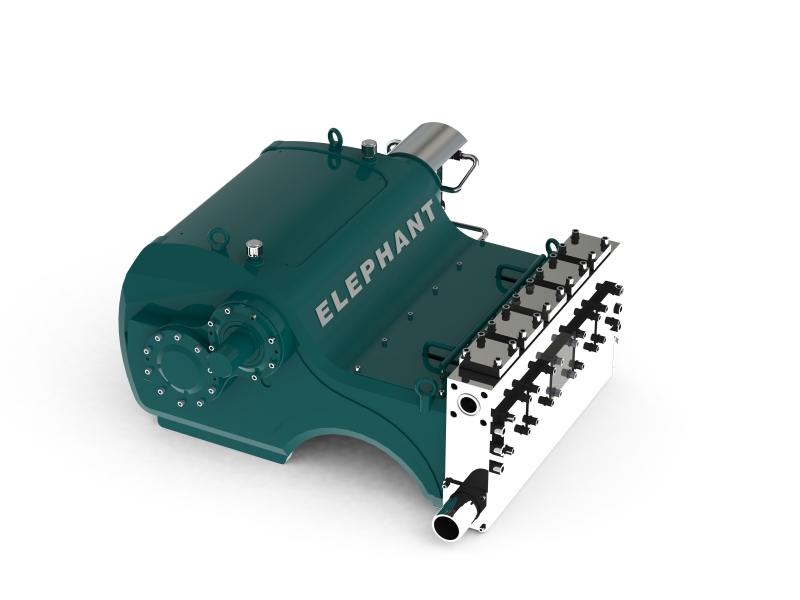
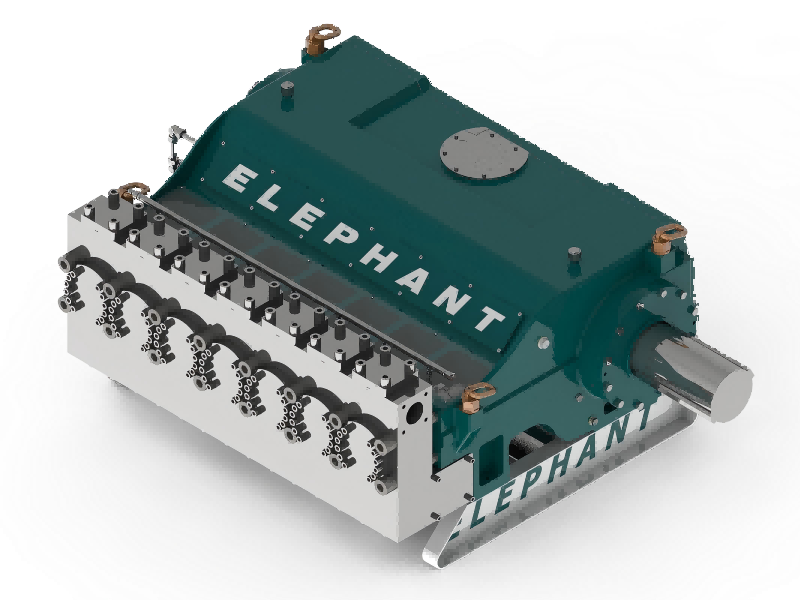
From Piston to Flow Understanding Reciprocating Pump in One Article

2025-09-26

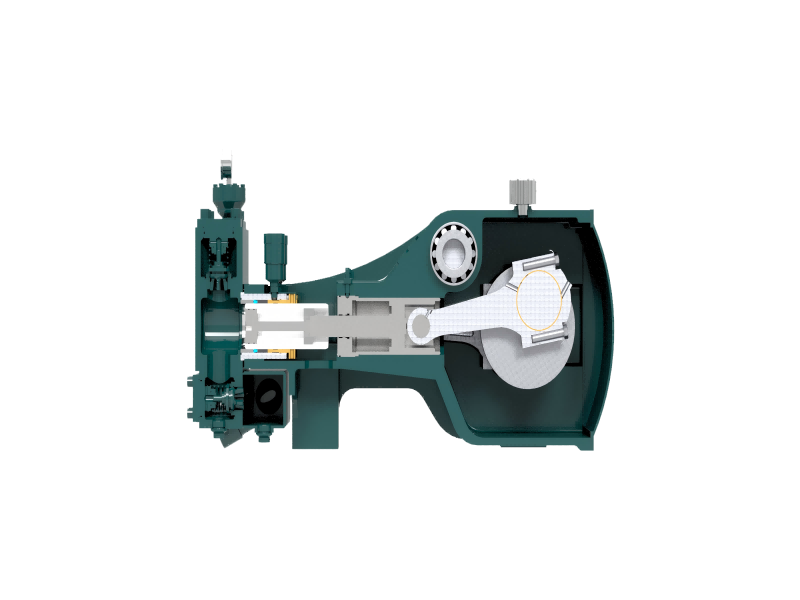
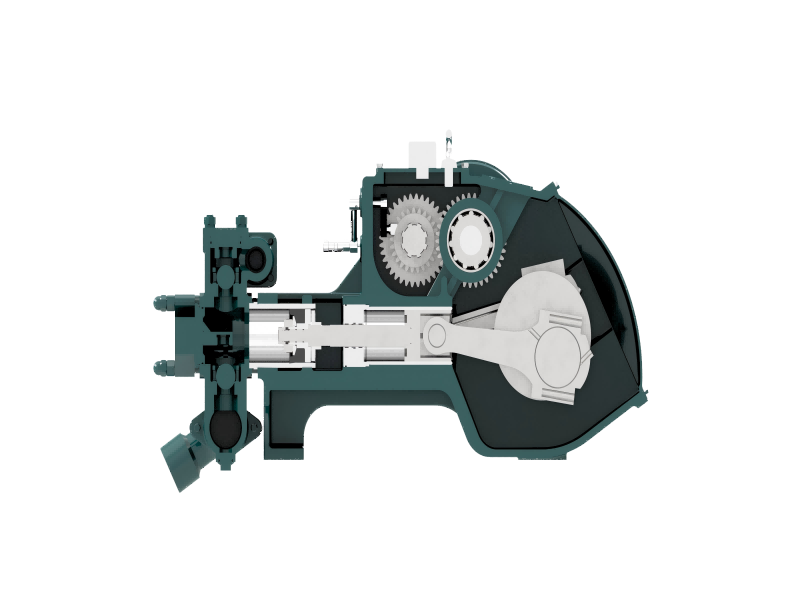
Reciprocating pump is fluid transfer device that directly supply energy to liquid in the form of pressure energy through the reciprocating motion of pistons/plungers within cylinders. They are the most widely used positive displacement pumps in industrial applications, such as mud pump, pressure test pump, high pressure pump, cementing pump, and injection pump. Whether in oilfield water injection, high pressure cleaning, or drilling platforms, they play an extremely important role and hold an irreplaceable position. But have you ever wondered how a simple reciprocating motion generates stable pressure energy to drive fluid conveyance? Below, we'll introduce the most fundamental reciprocating motion, gradually guiding you toward a thorough understanding of the reciprocating pump's operating principle.


Core Components of Reciprocating Pump

1. Power end: Crankshaft, connecting rod, crosshead, intermediate rod, etc.;

2. Hydraulic end: Piston/plunger, piston seal/plunger seal, shock-resistant pressure gauge, safety valve, etc.;

3. Control valves: Suction valve, discharge valve (typically check valves);

4. Others: Lubrication system, cooling system, etc.

Working Principle of Reciprocating Pumps

The electric motor drives the pump's crankshaft to rotate via a large and small pulley and a narrow belt. The crankshaft drives the connecting rod, piston or plunger to perform reciprocating motion. When the piston or plunger moves backward, the inlet valve opens, allowing liquid to enter the pump body until the piston or plunger reaches its final position (crankshaft rotates 180°), concluding the suction process. The piston or plunger then begins its forward stroke. During this phase, the liquid within the pump's valve chamber is compressed, increasing pressure. Consequently, the inlet valve closes while the outlet valve opens, allowing the liquid to be expelled through the outlet valve by the piston or plunger.

Materials of Reciprocating Pumps

1. Power-end components are predominantly castings, primarily made of materials such as QT450 and QT600.

2. Hydraulic-end components are flow-through parts requiring selection based on customer-provided parameters:

  • Medium characteristics: medium name, specific gravity, viscosity, corrosiveness, toxicity, etc.
  • lParticle diameter and content of solids in the medium.
  • lMedium temperature: (°C)
  • lRequired flow rate
  • lPressure: suction tank pressure, discharge tank pressure.

3. Commonly used materials include but are not limited to the following:

45#, 304, 316L, 2205, 17-4PH, 0Cr17Ni2.

Reciprocating Pump Working Cycle

1. Suction Stroke

  • lDuring the suction stroke, the piston or plunger moves backward, creating a low-pressure zone within the cylinder.
  • lThe inlet valve opens due to external fluid pressure, drawing liquid into the pump body.
  • lAs the crankshaft continues to rotate, the piston or plunger gradually moves to its final position, completing the entire suction process.

The key to this stage lies in ensuring the sealing integrity of the inlet valve to prevent air ingress or liquid backflow, thereby guaranteeing the pump's operational efficiency and stability.

2. Discharge Stroke

  • lWhen the piston or plunger begins to move forward, the fluid inside the cylinder is compressed, causing the pressure to rise rapidly.
  • lThe inlet valve closes, and the outlet valve opens under pressure. Liquid is expelled from the pump body through the outlet valve and enters the delivery pipeline.

This process requires the drain valve to possess excellent pressure resistance and rapid response capabilities to accommodate frequent opening and closing demands under high pressure conditions. Efficient operation throughout the entire working cycle relies on the precise coordination between all components, thereby ensuring continuous and stable fluid delivery.

Advantages of Reciprocating Pumps

1. Compatible with virtually any fluid;

2. High efficiency, exceeding 90%;

3. Adaptable to diverse operating conditions;

4. Extended service life;

5. Simple structure for easy maintenance and servicing;

Flow Rate and Pressure of Reciprocating Pumps

1. Flow rate is determined by the piston or plunger, stroke length, and rotational speed.

2. Pressure is determined by the pump's power, valve sealing integrity, and discharge resistance.

Reciprocating pumps are a type of positive displacement pump, to be, that achieves fluid conveyance through periodic changes in the volume of its working chamber. The mechanical energy from the prime mover is directly converted by the pump into pressure energy for the conveyed fluid. The pump's flow rate depends solely on the change in working chamber volume and the frequency of this change per unit time, and is (theoretically) independent of the discharge pressure.

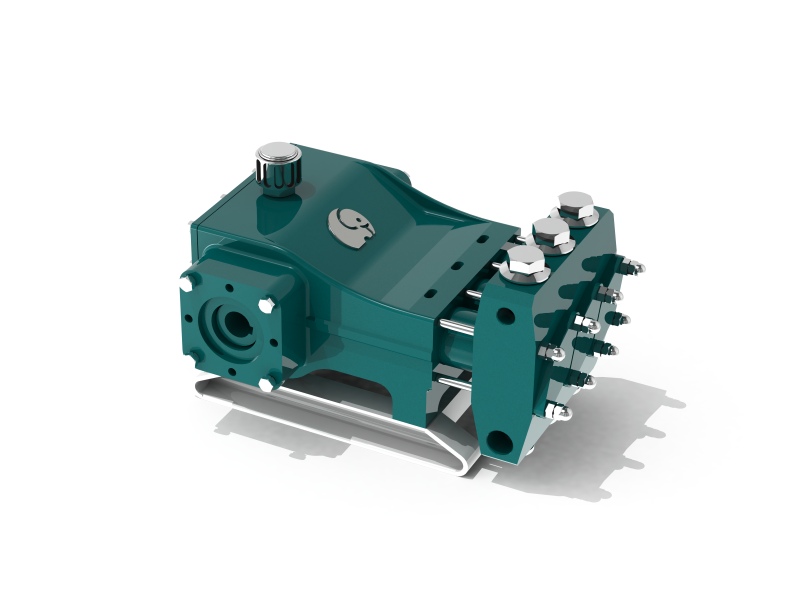
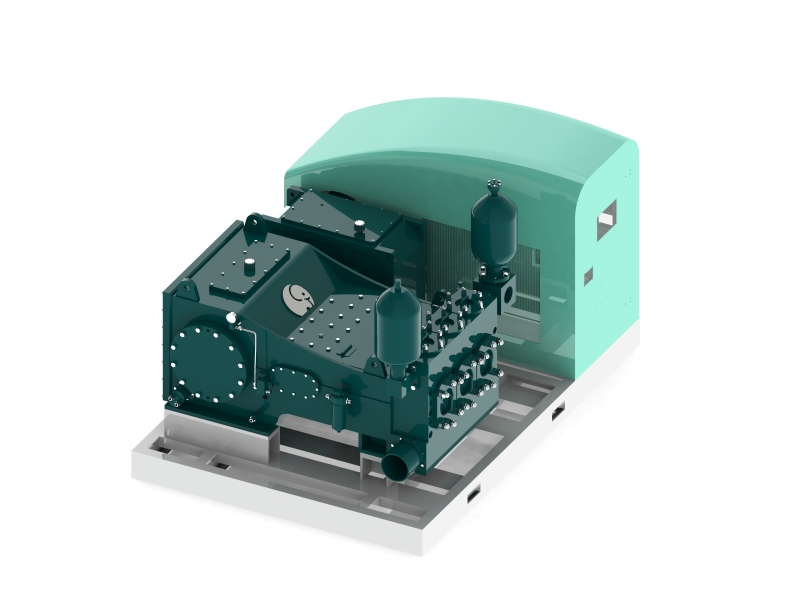
Elephant Machinery specializes in reciprocating piston pump and plunger pump. Designed in compliance with relevant national standards such as GB/T9234-2018, as well as international standards including API 674 Third Edition and ISO 13710:2004, our pumps meet flow and pressure requirements across diverse application fields. We welcome inquiries from professionals in all industries at any time and will provide you with the most professional solutions!

Categories
Tags