头部背景图片

Gachn Group's PP woven valve bag complete line solution one-stop turnkey service launched in West Africa

2025-08-22
Amidst the rapid growth of the global packaging industry, PP woven valve bag products, thanks to their excellent performance, have found widespread application in numerous fields, including chemicals, building materials, and food.
For clients in emerging markets, building a complete and efficient PP woven valve bag production line and enabling localized packaging industry development is key to enhancing market competitiveness. Leveraging its strong technical expertise and extensive industry experience, Gachn Group successfully implemented a complete PP woven valve bag production line solution as a one-stop turnkey service at a client's factory in West Africa, injecting strong momentum into the local packaging industry.

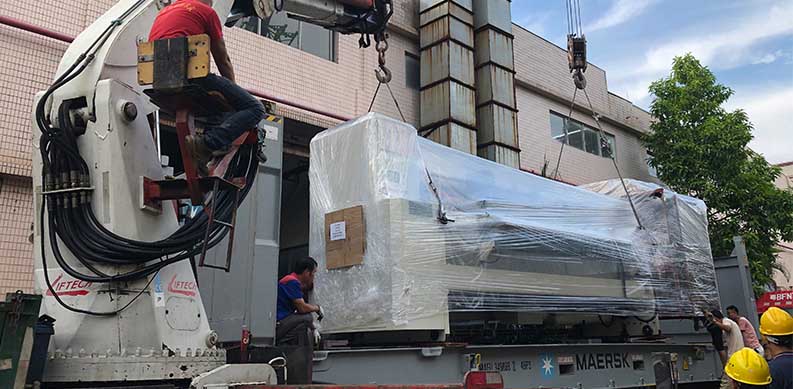
Bag making machine installation

Ⅰ. Turnkey Project: Worry-Free Project Guarantee

Gachn Group understands the complexities of overseas project implementation and has established a systematic, standardized turnkey project. From factory delivery to final acceptance, we strive for excellence in every step, providing customers with worry-free service.

Before equipment leaves the factory:Gachn Group conducts comprehensive and rigorous testing and commissioning of all equipment. Professional technicians, following a high-standard quality inspection system, meticulously inspect each piece of equipment for performance, accuracy, and safety, ensuring that each unit meets factory standards and lays a solid foundation for subsequent transportation and installation.

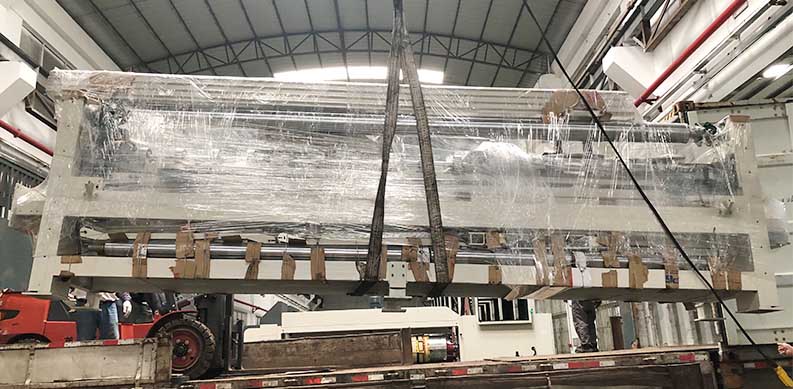
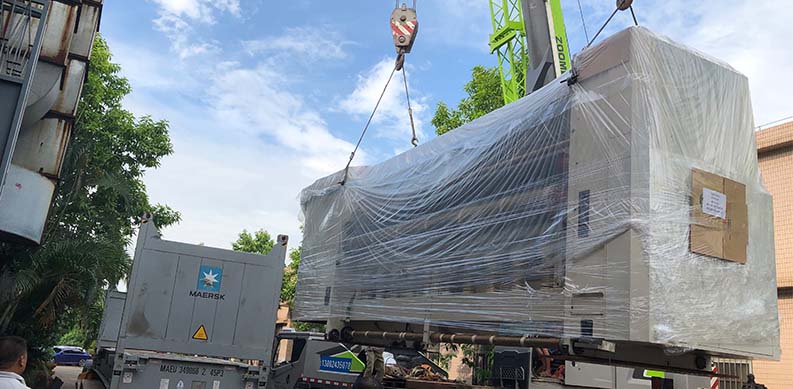
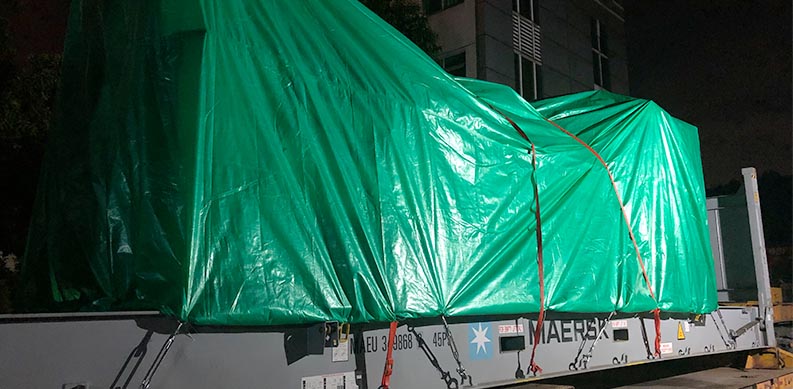
During transportation:Gachn Group collaborates with professional logistics partners to develop an optimal transportation plan based on the equipment's characteristics and road conditions at the destination. Customized packaging materials are used to properly package the equipment to protect it from impact, impact, and moisture during transportation. Transportation progress is monitored throughout the entire process, allowing for prompt response to any potential issues.

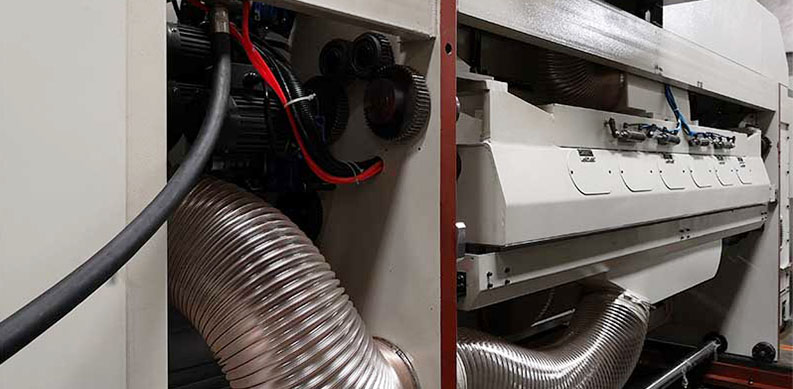
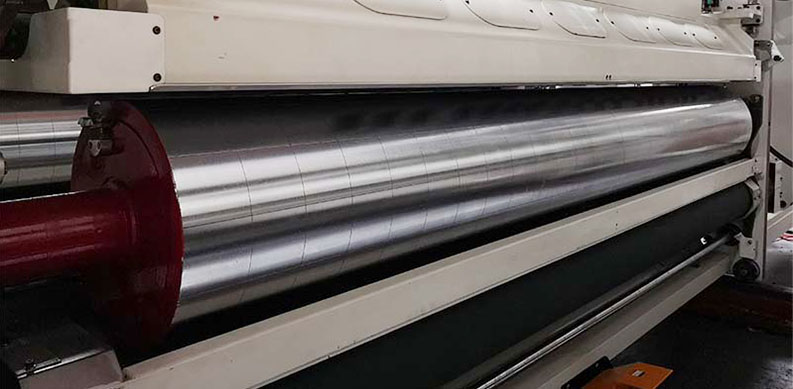
During the installation and commissioning phase:Gachn Group's after-sales team provides professional and high-quality service. They systematically install the equipment according to a detailed, pre-defined installation plan, ensuring precise positioning and secure connections. After installation, comprehensive commissioning is performed to optimize all equipment parameters for optimal operation.

During the pilot production phase:our after-sales engineering team will guide customers through small-batch production, verifying the equipment's operational performance and product quality through actual production. During the pilot production phase, potential issues are promptly identified and resolved, and production processes are adjusted and optimized to prepare for large-scale production.

During the final acceptance phase:Gachn Group and customers will conduct a comprehensive inspection of the equipment's performance, product quality, and production efficiency, based on pre-agreed acceptance criteria. Final acceptance is considered complete only when all indicators meet or exceed these standards.

Ⅱ. Technical Support: Strong Backing

Gachn Group's technical strength provides a strong backing for providing customers with high-quality solutions and services. This is due to the professional background and extensive experience of its engineers, as well as its continuous investment in technology research and development and services. Gachn Group boasts a R&D team of over 100 engineers, whose backgrounds span mechanical engineering, automation control, materials science, and other fields relevant to PP woven valve bag production. Their solid theoretical knowledge and extensive practical experience enable them to provide customers with professional technical support and solutions.

Gachn Group's engineering team has participated in numerous PP woven valve bag machine installation projects both domestically and internationally, accumulating extensive project implementation experience. They are also familiar with the principles of equipment installation.

Investment in technological R&D is key to Gachn Group's continued technological leadership. The company invests significantly annually in R&D, establishing a dedicated R&D team and advanced R&D laboratories. The R&D team continuously explores new technologies and processes, upgrades and improves equipment, and enhances performance and efficiency, while reducing energy consumption and production costs.

Regarding service investment, Gachn Group has established a comprehensive service system to provide comprehensive customer support. The company's dedicated service team provides timely and efficient after-sales service. Whether it's equipment installation and commissioning, troubleshooting, or routine maintenance, the service team responds to customer needs and resolves issues in the shortest possible time.

III. Industry Value: Supporting the Development of the Packaging Industry in Emerging Markets

Gachn Group's complete turnkey solutions are of great significance to overseas customers, particularly those in emerging markets, in developing localized packaging industries.

The packaging industry in emerging markets is often in its infancy, lacking comprehensive production systems and professional technical talent. Gachn Group's complete line solutions offer customers one-stop support, from equipment to service, helping them quickly build a complete PP woven valve bag production line, shortening project timelines and reducing project risks. Through localized production, clients in emerging markets can reduce their reliance on imported packaging, lower transportation and procurement costs, and improve product market responsiveness. Furthermore, localized production can drive the development of related local industries, create jobs, and boost economic growth.

Gachn Group's solutions can also help clients in emerging markets improve the quality and quality of their packaging products, enhance their market competitiveness, and promote the upgrading and development of the local packaging industry.

IV. Conclusion

If you are an overseas client, especially one in an emerging market, planning to develop a localized PP woven valve bag production line, Gachn Group's complete PP woven valve bag production line solution is an ideal choice. With strong technical capabilities, a comprehensive turnkey process, and a high-quality training system, we can provide you with worry-free service throughout the entire process.

Please contact us today to discuss your detailed proposal. Our professional team will provide personalized consultation and solutions to help your project succeed. Let us work together to create a bright future for the packaging industry!


PP Woven Valve Bag Extrusion line - Gachn, the Efficient and Intelligent Choice for Plastic Weaving Equipment

2025-08-22

In the field of plastic woven machinery manufacturing, PP woven valve bags are widely used in the chemical, building materials, grain, and feed industries due to their high strength, excellent wear resistance, and strong sealing properties. In the upstream process of the valve bag production line, the wire drawing machine is a key piece of equipment that determines product quality and production efficiency.

Gachn Group's wire drawing machines are specifically designed for the production of high-quality PP flat yarn. Integrating intelligent, automated, energy-efficient, and environmentally friendly features, they are an ideal choice for many plastic weaving equipment manufacturers looking to increase production capacity and quality.


Why choose Gachn Group Extrusion line?

 
High-Precision Intelligent Control

1. Equipped with an imported intelligent PLC centralized control system, it supports synchronized speed adjustment across the entire line and individual machine fine-tuning, ensuring simple and stable operation.

2. PID temperature control ensures precise temperature control and more stable wire drawing quality.

 
Advanced Automation

1. The automatic belt screen changer supports mixing new PP materials with an appropriate amount of masterbatch, ensuring continuous screen change and significantly improving production efficiency.

2. The variable frequency drive system enables high-speed production, with a maximum winding speed of 450m/min.


High-quality finished yarn output

1. The extruder screw and barrel are made of 38CrMoALA high-strength alloy steel, which is wear-resistant and has a long service life.

2. The 4-roller drafting and 4-roller shaping combination achieves drafting speeds of up to 400m/min, producing uniform flat yarn with strong tension.


Energy-saving and environmentally friendly design

1. The total installed power is approximately 600kW, but the actual operating power is only 320-350kW, reducing energy costs.

2. Equipped with a side yarn crushing and recovery device, it reduces waste, ensuring environmental protection and high efficiency.


Gachn Group equipment parameters

Extruder Screw Diameter: Φ100mm-130mm

Length-to-Diameter Ratio (L/D): 33:1

Maximum Output: 650kg/h

Die Width: 1200-2100mm

Drafting Speed: 80-400m/min

Rewinding Speed: Up to 600m/min


Gachn Group PP Plastic Wire Drawing Machines Offer You Value

Improved Valve Bag Quality: High-strength PP flat yarn makes the woven fabric stronger and more durable.

Increased Productivity and Profit: High-speed production reduces costs and shortens payback period.

Adaptable to Diverse Production: Adjustable yarn width and thickness to meet the needs of valve bags of varying weights and applications.


Why Choose a Gachn Group Wire Drawing Machine?

Strong Stability: Full bridge-type wiring ensures clean and safe operation; the motor features overload and phase loss protection.

User-Friendly Maintenance: The equipment is rationally laid out, with ample maintenance space and a comprehensive spare parts supply.

International quality features: Siemens motors, Schneider electrical components, Nord reducers from Germany, and Fuji temperature control from Japan.


About Gachn Group - A Trusted Plastic Weaving Equipment Manufacturer

We have many years of experience in plastic woven machinery manufacturing, with a stable R&D team and comprehensive after-sales service. We provide customers with one-stop solutions, from equipment selection and installation and commissioning to technical training and parts supply.

If you are looking for a stable and cost-effective PP wire drawing machine, please contact us for a detailed quote and information to better understand our valve bag production line solutions.


Addressing Common Issues in Natural Gas Cooker Performance Testing Equipment

2025-08-22

Addressing Common Issues in Natural Gas Cooker Performance Testing Equipment

Ensuring kitchen safety and efficiency starts with reliable performance testing. This guide explores frequent challenges with natural gas cooker testing equipment and actionable solutions.


1. Understanding Testing Equipment

Natural gas cooker performance testers evaluate critical parameters:

  • Combustion efficiency (gas-to-heat conversion rate)
  • Flame stability (resistance to lift-off/flashback)
  • Gas leakage (detection sensitivity: ≤0.1% concentration)
  • Surface temperature distribution (infrared thermal mapping)
    Without precise testing, safety risks become invisible threats.


2. Why Testing is Non-Negotiable

Key consequences of inadequate testing:
⚠️ Critical Hazards

  • Gas accumulation → Explosion risk
  • Incomplete combustion → CO poisoning (>50ppm danger threshold)
  • Flame failure → Unburned gas release

💡 Operational Benefits

  • 30% longer appliance lifespan (ISO 23555-1 compliance)
  • 15-25% reduced gas consumption
  • Real-time fault diagnostics


3. Top Testing Challenges & Solutions

Problem Solution Tool Requirement
Inconsistent flame readings Calibrate with reference burners Automated flame analyzer
Micro-leak undetection Use ultrasonic detectors 0.01 L/min sensitivity sensors
False efficiency results Standardize test gas composition Wobbe index controller
Overheating risks Thermal imaging during stress tests IR camera + data logger


4. Equipment Selection Checklist

  • Certification: EN 437 / GB 16410 compliance
  • Accuracy: ≤±1.5% measurement tolerance
  • Connectivity: Bluetooth/WiFi for data export
  • Maintenance: Self-diagnostic firmware
  • Usability: Touchscreen interface with preset protocols


5. Optimal Testing Frequency

Usage Level Test Interval Critical Tests
Residential (Daily) Annual Leakage, CO emission, Ignition
Commercial (High-use) Quarterly Full performance + safety audit
Post-repair Immediate Pressure integrity + flame profile


Conclusion: Proactive Protection

Regular performance testing isn’t optional—it’s your first defense against kitchen disasters. Invest in precision equipment, adhere to scheduled maintenance, and transform your kitchen into a truly safe haven.

How does ZYCO deliver each device safely to customers?

2025-08-22

In international trade, the safe transportation of equipment is crucial. For sheet metal processing equipment we export, due to its large size and weight, the packaging and loading method directly determines whether the machine can arrive safely and intact at the customer's factory. Depending on the customer's order quantity and equipment size, we typically arrange export shipping using two methods: Less than Container Load (LCL) and Full Container Load (FCL).


1. LCL

LCL is generally suitable for situations where the customer only orders one small sheet metal processing equipment. Since the equipment is not enough to fill a container on its own, in order to reduce the customer's transportation costs, we will combine the goods with other goods in the same container for transportation.

During the LCL process, we will:


1) Wrap the machine with transparent plastic film and place desiccant in the electrical cabinet to prevent moisture and dust during sea transportation;

DE68T electro-hydraulic CNC bending machine


2) Customize wooden boxes for the machines to ensure they are reliably protected during long-distance transportation;

4 Axis aluminum profile bending machine


3) Carefully load the wooden boxes onto the truck using a crane;

Copper plate pure electric press brake


4) Cover with rainproof cloth, prevent rain during transportation;

40-600t CNC bending machine


5) The truck will deliver the wooden boxes to the warehouse designated by the freight forwarder, and the freight forwarder will arrange for the LCL shipment.


This can not only reduce the customer's transportation costs, but also ensure that the machine is not damaged during transportation.


2. FCL

When customers order multiple sheet metal processing equipment, or when a single piece of equipment is large, we will use full container shipping.

The full container load shipping process is more rigorous:


1) Wrap the machine with transparent plastic film and place desiccant in the electrical cabinet to prevent moisture and dust during sea transportation;

Hydraulic CNC Press Brake Machines


2) Operate the crane to lift the machine smoothly to the loading area, and assist the forklift to accurately place the front end of the equipment at the container door;

rolling bending machine


3) The forklift operator skillfully pushes the machine from the container door into the interior and places it in the appropriate position according to the pre-calculated plan to ensure maximum space utilization;

sheet metal rolling machine


4) Workers attach angle irons to the machine and tie the wire ropes tightly to ensure that the machine will not move or tilt during transportation;

6 axis stainless steel bending machine


5) Close the cabinet door and lead seal it to ensure that no one else has opened it before the customer receives the machine;

Precision sheet metal bending machine


6) The truck will deliver the container to Shanghai Port, where the port will arrange for loading onto the ship and shipping by sea.


 This type of packaging and fixing method is particularly suitable for sheet metal processing equipment with heavy weight and large volume.


3. ZYCO Shipping Video


Summary

Whether it's LCL or FCL, we always prioritize the safe transportation of our machines. From packaging and loading to securing, we strictly control every step, ensuring that our customers receive their machines in perfect condition as soon as possible.


Enhance Your Industrial Cooling Strategy with Air Cooled Screw Chillers

2025-08-21

You gain immediate advantages when you implement central cooling in your facility. An industrial air cooled screw chiller delivers outstanding energy savings and boosts operational efficiency, especially in demanding industrial environments. Recent studies show these chillers excel in reliability and cut operational costs by using advanced controls and leveraging ambient air. You can count on this technology to strengthen your central heating and cooling system and improve your hvac performance. With proven energy optimization, you take a confident step toward better operational efficiency and long-term savings.


Key Takeaways

  • Industrial air cooled screw chillers boost energy savings and improve cooling reliability in demanding environments.

  • Central cooling systems provide consistent temperature control, reduce downtime, and support scalable industrial operations.

  • Advanced compressor and control technologies enhance efficiency, lower noise, and enable precise system monitoring.

  • Regular maintenance and compliance with standards maximize system lifespan and maintain peak energy efficiency.

  • Choosing modern refrigerants and energy-efficient designs helps reduce environmental impact and supports sustainability goals.


Central Cooling Overview


china air cooled industrial chiller


System Principles

Central cooling delivers consistent temperature control across your entire facility. You use a network of supply and return ducts to circulate cool air efficiently. The system draws in warmer air, cools it, and then distributes it back through supply ducts. You can choose between split-system units, which separate indoor and outdoor components, or packaged units that combine everything in one cabinet. Proper sizing and installation are essential. You follow industry protocols for load calculation and equipment selection to ensure optimal performance. You also need to design ductwork carefully, seal and insulate ducts, and position equipment to reduce noise and airflow issues. Adhering to manufacturer guidelines for refrigerant charge and airflow helps you maintain efficiency. You also meet standards like ASHRAE 62.1-2010 for ventilation and air quality, which ensures a safe and comfortable environment for your team.


Industrial Applications

You find central cooling essential in many industrial environments. The OMC-100ASH air cooled screw chiller supports industries such as rubber, plastics, petroleum, chemical, electrical, paper, textile, brewing, pharmaceuticals, machinery, food, and beverage processing. These sectors rely on precise temperature control to maintain product quality and protect sensitive equipment. You benefit from advanced hvac solutions that deliver reliable cooling even under heavy loads. Central cooling allows you to scale operations and adapt to changing production needs. By integrating a robust chiller, you ensure stable operation and reduce downtime, which is critical for maintaining productivity and meeting industry standards.


Industrial Air Cooled Screw Chiller Features

air cooled screw chiller supplier

Compressor Technology

You benefit from advanced compressor technology when you choose an industrial air cooled screw chiller. Semi-hermetic screw compressors offer several advantages over open-type models:

  • The intermediate flange connection reduces leakage risk, keeping your system secure.

  • Direct refrigerant cooling for the motor eliminates the need for a fan, lowering noise and boosting stability.

  • The design minimizes refrigerant and oil leakage, supporting long-term reliability.

  • Noise reduction improves your working environment.

  • Enhanced cooling capacity meets high-load demands in industrial settings.

Brand-name semi-hermetic screw compressors feature four-grade capacity control. This technology reduces electrical impact during startup and increases energy efficiency. You experience smoother operation and consistent temperature control, even during peak production periods.


Control Systems

You gain precise control and monitoring with the Siemens PLC and LCD touch screen interface. The centralized control system tracks critical parameters such as temperature, pressure, phase sequence, and motor conditions. The menu-driven LCD touch screen makes adjustments easy and provides real-time visualization of your chiller’s running state. You can select your preferred language for operation, making the system accessible for your team.

Energy optimization and load tracking are key features in modern industrial air cooled screw chillers. Variable speed drives on compressors, pumps, and fans can reduce energy consumption significantly. Studies show that optimizing condensing temperature and chilled water flow rates can increase the coefficient of performance and lower annual electricity use. Automated fault diagnostics help you detect issues early, minimizing downtime and maintenance costs. Advanced systems use real-time sensor data and AI-driven analytics to provide actionable insights and predictive maintenance.


Safety Feature

Description

Operational Risk Reduction

Automatic Shutdown Systems

Detect operational irregularities and shut down the chiller automatically.

Reduces equipment damage by up to 40%, prevents failures.

Pressure Relief Valves

Release excess pressure to prevent equipment rupture.

Lowers catastrophic failure risk by up to 50%.

Temperature Monitoring

Continuously monitors temperature and sends alerts if unsafe levels occur.

Enables real-time intervention, maintaining safe conditions.


Benefits of Central Cooling


Industrial Air Cooled Screw Chiller


Energy Efficiency

You achieve remarkable energy efficiency when you implement central cooling in your facility. Advanced air cooled screw chillers use semi-hermetic compressors with patented rotor profiles, which increase efficiency by up to 30% compared to standard models. The integration of electronic control systems and optimized refrigerants can reduce energy consumption by nearly 60%. You benefit from automatic load tracking and precise temperature management, which ensures that your system only uses the energy required for current conditions. This energy-efficient design not only lowers your utility bills but also supports your sustainability goals.


Cost Savings

You realize substantial cost savings with central cooling systems. Air cooled screw chillers offer several financial advantages over traditional cooling solutions:

  • Lower energy consumption leads to reduced utility expenses.

  • Minimal maintenance requirements decrease repair and service costs.

  • The absence of cooling towers and water treatment systems cuts installation and ongoing maintenance costs.

  • Simple design and easy maintenance contribute to long-term cost-effectiveness.

  • Combined, these factors deliver significant operational and maintenance savings for your business.

You can allocate more resources to core operations and growth, rather than spending on frequent repairs or complex maintenance routines.


Reliability

You depend on reliable cooling to maintain productivity and protect equipment. Central cooling systems equipped with advanced safety features, such as automatic shutdown, pressure relief valves, and continuous temperature monitoring, minimize the risk of unexpected failures. The patented compressor design with enhanced bearing life and built-in oil pressure systems ensures stable operation under varying loads. You experience fewer breakdowns and longer system life, which translates to less downtime and greater peace of mind.


Scalability

You gain flexibility and scalability with central cooling solutions. Modular designs allow you to expand your cooling capacity as your facility grows. You can customize systems to meet specific industrial requirements, ensuring adaptability and efficiency. For example, using multiple cooling distribution units enables you to achieve redundancy and maintain optimal performance during expansion. Modular and customizable systems support future upgrades and changes, helping you respond quickly to evolving production needs.


Environmental Impact

You make a positive environmental impact by choosing central cooling systems with advanced refrigerants and energy-efficient controls. Switching to modern refrigerants with lower global warming potential reduces harm to the environment and complies with international regulations. Research shows that these upgrades can decrease energy consumption by up to 60%, resulting in a 13% to 16% reduction across various environmental impact categories. Lower electricity demand means less reliance on fossil fuels, which conserves natural resources and reduces emissions. Space-saving designs, such as packaged rooftop units and modular systems, free up valuable indoor space, minimize noise, and simplify maintenance. These features support operational efficiency and contribute to sustainable facility management.


Implementation Steps

You strengthen your facility’s performance when you integrate an industrial air cooled screw chiller into your central heating and cooling system. Begin by assessing your current cooling and heating demands. Identify the areas where temperature control is critical for production or equipment safety. Select a chiller model that matches your load requirements and fits seamlessly into your central hvac network.

Next, plan the installation process. Coordinate with your engineering team to determine the best placement for the chiller, considering airflow, accessibility, and noise reduction. You benefit from factory-tested units that arrive ready for installation, reducing downtime and ensuring reliable startup. Connect the chiller to your existing piping and electrical infrastructure. Use the advanced control panel to calibrate temperature settings and monitor system performance.

After installation, conduct a thorough commissioning process. Test the chiller under real operating conditions to verify output, safety features, and integration with your central heating and cooling system. Train your staff on the control interface and routine maintenance procedures. Schedule regular inspections to maintain peak efficiency and extend equipment life.


Key Considerations

Customization plays a vital role in meeting your facility’s unique requirements. You can select special materials for corrosion resistance, enabling operation with deionized water or sea water. Unique physical configurations allow you to fit the chiller into challenging spaces. Advanced controls and instrumentation provide precise temperature management for sensitive processes. Dual refrigeration systems offer redundancy, ensuring uninterrupted cooling for critical applications.

You may require explosion-proof designs for hazardous environments or special pumps for high-pressure demands. Standard options include custom paint finishes, outdoor packages, remote switching, and additional safety switches. These features have proven effective in demanding industrial settings, delivering reliable performance and safety.


Why Water-Cooled Screw Chillers Are Leading the Cooling Industry

2025-08-21

Why Water-Cooled Screw Chillers Are Leading the Cooling Industry


Water-cooled screw chillers are the top choice in cooling systems. The market for these chillers will be worth over $4.8 billion in 2025. Big companies buy these chillers because they save energy, can grow with needs, and help the environment. Experts know it is important to watch new trends. Smart technology and new rules help people stay ahead in cooling system ideas.

  • Water-cooled screw chiller models use up to 30% less energy than old systems.

  • The market gets bigger as chillers show they work well for businesses and factories.

  • New ideas like modular design and predictive maintenance make more people use water-cooled screw chillers.


Water-Cooled Screw Chiller Basics


How Water-Cooled Screw Chillers Work

A water-cooled screw chiller cools big buildings and factories. It has two main loops. One is the refrigeration loop. The other is the chilled water loop. The refrigeration loop uses the vapor compression cycle. This cycle lets the refrigerant change between liquid and vapor. It helps absorb heat and then release it. The chilled water loop sends cold water to places that need cooling.

Here is how water-cooled chillers work step by step:

  1. The screw compressor takes in low-pressure refrigerant vapor. It squeezes the vapor to make it hotter and under more pressure.

  2. The condenser moves heat from the refrigerant to the cooling water. The cooling water goes to the cooling tower.

  3. The expansion valve drops the pressure and temperature of the refrigerant.

  4. The evaporator takes heat from the chilled water. This cools the water for the building or process.

  5. The cycle starts again. This keeps cooling steady and efficient.

This process makes water-cooled screw chillers great for keeping temperatures stable in many places.


Key Components

Every water-cooled screw chiller has important parts. These parts work together to keep things cool:

Component

Role in Cooling Process

Compressor

Squeezes low-pressure refrigerant gas into high-pressure gas. This makes it hotter and helps move heat.

Condenser

Takes heat from the refrigerant and gives it to the cooling water. This turns the refrigerant into a liquid.

Expansion Valve

Lowers the pressure and temperature of the refrigerant. This helps it absorb heat better.

Evaporator

Takes heat from chilled water or fluid. This makes the refrigerant turn into vapor and cools the fluid.

Chilled Water Loop

Sends chilled water to places that need cooling.

Condenser Water Loop

Sends cooling water to take heat from the refrigerant. The water then goes to the cooling towers.

Water Boxes

Direct water flow in the evaporator and condenser. This helps heat exchange work better.

Power Unit

Controls the electricity for the chiller. It includes starters and circuit breakers.

Controls

Watch and change how the chiller works. They can make alarms and let people control the chiller remotely.

These main parts help water-cooled chillers work well, last long, and stay reliable in tough places.


Energy Efficiency Advantages

Water-cooled screw chillers are very good at saving energy. They use water to move heat. This helps them cool big buildings well. Using water makes them use less energy. It also helps building owners follow green rules. Experts use SEER, EER, and COP to check how well chillers work. These numbers tell us how much cooling comes from the power used. Lower approach temperatures mean the chiller works better.


Variable Speed Drives

Variable speed drives, or VSDs, help chillers save more energy. VSDs let the compressor change speed when needed. This means the chiller does not always run at full power. It uses less energy when cooling needs are low.

  • VSDs stop energy waste by slowing the compressor instead of turning it off and on.

  • Studies show VSD chillers use about 11% less energy each year than chillers that run at one speed.

  • In big buildings, VSDs can save over a million kilowatt-hours every year.

  • Tip: VSDs make chillers work better and last longer. They also help save money over time.


Advanced Heat Exchangers

Advanced heat exchangers help chillers move heat faster. New designs, like falling-film evaporators and special tubes, use less refrigerant and energy.

  • Hybrid evaporators mix old and new ideas for better cooling and less harm to the planet.

  • Stronger tube materials stop rust and help move heat better.

  • These changes let chillers reach COP values up to 4.98, showing they save a lot of energy.
    Better heat exchangers also make chillers smaller. This saves space and helps them fit in tight spots.


Innovations in Water Cooled Screw Chiller Technology

Large capacity water cooled screw chiller

IoT and Smart Controls

New water-cooled screw chillers use IoT and smart technology. These systems collect data like temperature and humidity. They also track how much work the chiller is doing. Smart controllers use this information to help the chiller work better. This makes the chiller use less energy and run more smoothly.

  • IoT lets chillers change quickly when things change.

  • Smart controls can cut energy use by half compared to old chillers.

  • One factory in Beijing used 25% less energy in a month after adding smart controls.

  • These systems watch the equipment and make small changes to keep things working well.

  • This means fewer problems and better control of temperature.

Facility managers need to check their systems before adding IoT. They should pick equipment that works with the new tech. Staff must learn how to use the new system. Regular checks and care, like fixing sensors and checking networks, keep things running well. More people want energy-saving and green systems, so smart chillers are becoming popular.

Note: IoT and smart controls are a big step for cooling systems. They help companies save money and have less downtime.


Sustainable Refrigerants

The industry now wants to use sustainable refrigerants to protect the environment. Old refrigerants like R-134a can harm the planet. New rules say companies must use greener choices. The U.S. SNAP program and some states, like California, limit high-GWP refrigerants in new chillers.

  • New refrigerants like R-454B, R-1234ze(E), R-1233zd(E), R-513A, R-515B, and R-32 have much lower GWP.

  • Some have GWP close to 1, so they are almost climate-neutral.

  • These new refrigerants help chillers work better and follow strict rules.

  • Most are not flammable or only a little flammable, so they are safer.

  • Top companies now sell chillers with these refrigerants to cut carbon without losing performance.

Natural refrigerants like ammonia, CO2, and hydrocarbons have very low GWP. But they can be harder to use because of safety and cost. Using better refrigerants shows how new ideas and rules are changing cooling.


Scroll Compressor Integration

Adding scroll compressors is another big change in water-cooled screw chillers. Now, some chillers use both screw and scroll compressors together. This is called a hybrid system. It uses the best parts of each compressor.

  • Scroll compressors are good when the chiller does not need to work as hard.

  • Screw compressors are better when the chiller needs to cool more.

  • Hybrid chillers can switch between the two or use both, depending on what is needed.

This design helps chillers use less energy and work better. It also makes chillers more reliable. Hybrid chillers can fit many building sizes and uses. These changes help chillers meet new needs and support a greener world.

Tip: Hybrid systems give more choices and save energy. They are a smart pick for new buildings and upgrades.


Water-Cooled Chillers Market Trends

Market Growth Drivers

The water-cooled chillers market is getting bigger as cities grow. More factories and buildings need better cooling. The global chillers market was $3.86 billion in 2024. It may reach $4.66 billion by 2032. This growth happens because cities are growing fast. More factories are being built. Old cooling systems need to be replaced. Asia-Pacific is the biggest market for chillers. It has over 40% of the market. Southeast Asia wants more water cooled chillers.

Many things help the water-cooled chillers market grow:

  • Water cooled chillers use less energy than air-cooled ones in big buildings.

  • New rules make building owners pick greener cooling systems.

  • Smart cooling systems, like IoT chillers, help save energy and watch equipment.

  • Hotter weather and bigger cities mean more cooling is needed.

  • More money and new buildings mean more chillers are needed.

  • Green buildings and saving money on energy keep the market strong.

Note: The water-cooled chillers market has some problems. These include high starting costs and not enough water. But smart tech and new refrigerants give good chances for growth.


Scalability and Application Range

Water cooled chillers are important for big jobs and factories. They use cooling towers outside to get rid of heat. They work at lower temperatures than air-cooled chillers. This makes them use less energy. They help keep places like factories, data centers, and hospitals cool.

Some main features of water cooled chillers are:

  • They can cool big places very well.

  • Their designs can be changed to fit many spaces.

  • They are quick to set up and do not stop work much.

  • They work in many different temperatures for many jobs.

A table below shows how water cooled chillers help in different places:

Application Area

Benefit of Water Cooled Chillers

Data Centers

High capacity, small footprint

Manufacturing Plants

Stable cooling for heavy equipment

Hospitals

Reliable temperature control

Commercial Buildings

Energy savings and easy scaling

Water cooled chillers are the best pick for city cooling systems. Their small size and easy design help big places add more cooling fast. As cities get bigger and the world gets hotter, water-cooled chillers will stay important for big, efficient cooling.


Overcoming Challenges

Water Management

Water-cooled screw chillers have some water problems. Corrosion happens when air, minerals, or germs get inside. If different metals touch, they can cause leaks. Dirt and small bits from bad water or dirty towers can block pipes. This makes it harder for the chiller to cool things down. These problems make the chiller less efficient and can break it.

  • Condenser tubes can get dirty from things in the water.

  • Buildup inside the tubes slows water and makes the chiller work more.

  • Cleaning with chemicals or brushes keeps the chiller working well.


How much water chillers use depends on the city. For example, Miami chillers use about 2,010 kGal each year. Chicago chillers use only 549 kGal each year. Some cities charge a lot for water, which can cancel out energy savings. Using more cycles in cooling towers can cut water use by half.


Installation and Maintenance

Good installation and care help chillers last longer. Facility managers use smart tools and IoT sensors to watch temperature, shaking, and how well the chiller works. They look for leaks, clean tubes, and treat water to stop rust and dirt. Workers keep records and follow safety steps, like using lockout/tagout and PPE.

  • Each year, they check wires, look for leaks, and test controls.

  • Cleaning and water treatment stop clogs and help cooling.

  • Training helps workers find problems early and avoid mistakes.

A good maintenance plan helps chillers last longer and break down less often.


Future of Water Cooled Chillers

Evolving Demands

The water-cooled chillers market is changing as new rules and technology appear. Companies want chillers that use less energy because energy prices are going up. They look for chillers with variable speed compressors and better heat exchangers. These features help save power and lower costs.
Facility managers now like smart controls and automation. IoT and AI systems let them watch chillers in real time and fix problems before they get worse. These tools help chillers work better and stop long breaks.
People care more about the environment, so the market is moving to safer refrigerants. Hydrofluoroolefins and natural choices like ammonia and carbon dioxide are better for the planet.
Saving water is also important now. New water treatment, closed-loop cooling, and hybrid systems help use less water but keep chillers working well.
The market is also starting to use renewable energy like solar and geothermal. Better materials help chillers last longer and stop rust. Rules and rewards push companies to pick greener technology.

The water-cooled chillers market is moving toward being greener, saving money, and using smart tech.


Anticipated Advances

In the next ten years, water-cooled chillers will get much better. Compressor technology, refrigerant control, and variable-speed drives will help chillers save more energy and work better.
Manufacturers want to add more smart controls and IoT features. These upgrades will let people check chillers from far away and fix problems before they start.
Eco-friendly refrigerants with low global warming potential will become normal as rules get stricter.
Modular designs and custom options will help companies get chillers that fit their needs.
Smart building systems will connect with chillers to save even more energy.
New rules, like the F-Gas Regulation in Europe, make the market create safer and greener chillers.

  • New changes in the water-cooled chillers market will help companies follow rules and work better.

  • The market will keep growing as cities get bigger and need more cooling.

  • Manufacturers will work on making chillers reliable, flexible, and good for the environment.


Water-cooled screw chiller systems are very popular. They save a lot of energy and use new technology.

Market Highlights

Details

Market Share

Water cooled chillers have 56.4% in 2024

Growth Drivers

They save energy, use smart controls, and eco-friendly refrigerants

People who pick cooling systems should choose water cooled chillers. These chillers are reliable and ready for the future. It is smart to follow new trends to keep doing well.


Analysis of the Relationship between Electric Motor Temperature Rise and Environmental Temperature

2025-08-19

The relationship between the temperature rise, temperature, and ambient temperature of the electric motor can be clarified through the following analysis.

1.Basic Definitions

  • Ambient Temperature (Tamb)
    The temperature of the surrounding medium (typically air) where the motor operates, measured in °C or K.

  • Motor Temperature (Tmotor)
    The actual temperature of the motor's internal components (e.g., windings, core) during operation, measured in °C or K.

  • Temperature Rise (ΔT)
    The difference between the motor temperature and ambient temperature:ΔT=Tmotor−Tamb,Measured in K or °C (since temperature rise is a differential value, the units are interchangeable).

2. Mathematical Relationship

                                                        Tmotor=Tamb+ΔT

  • Temperature Rise () depends on:

    • Load Conditions: Higher load increases current and losses, leading to greater temperature rise.

    • Cooling Capacity: Heat dissipation design (e.g., fans, heat sinks) or environmental conditions (e.g., ventilation) affect ΔT.

    • Time: During startup or load changes, ΔT varies dynamically until reaching steady state.

3. Key Influencing Factors

  • Impact of Ambient Temperature:

    • If Tamb increases, the motor temperature Tmotor rises for the same ΔT.

    • High ambient temperatures may require derating the motor to prevent exceeding insulation limits.

  • Limits of Temperature Rise:

    • The motor's insulation class (e.g., Class B, F) defines the maximum allowable temperature (e.g., Class F = 155°C). Thus, the permissible ΔT must satisfy:ΔT≤Tmax−Tamb,where is the insulation material limit.

4. Practical Applications

  • Design Phase: The maximum ΔT is determined based on insulation class. For example, a Class F motor (Tmax=155°C) in a 40°C environment has an allowable of 155−40=115K (accounting for hotspot allowances).

  • Operation Monitoring: Abnormal temperature rise may indicate overloading, poor cooling, or insulation degradation.

  • Cooling Conditions: Changes in ambient temperature or cooling efficiency dynamically affect ΔT. For instance, fan failure causes a sharp rise in ΔT.

5. Summary of Relationships

  • Temperature rise (ΔT) results from the balance between power losses and cooling efficiency, independent of ambient temperature, but the actual motor temperature combines both.

  • Ambient temperature sets the baseline for cooling—higher Tamb reduces the allowable ΔT.

  • Motor temperature is the ultimate outcome and must comply with insulation limits.

Example

Consider a Class B insulation motor (Tmax=130°C) operating under two scenarios:

  • Ambient = 25°C, ΔT=80K: Tmotor=25+80=105°C (safe).

  • Ambient = 50°C, same ΔT=80K:Tmotor=50+80=130°C (at limit, requiring load reduction).

This relationship is fundamental to motor thermal protection design and lifespan evaluation.

How to Choose the Right Motor for Extreme Temperature Environments?

2025-08-19

Choosing the right motor for extreme temperature environments requires careful consideration of several factors to ensure reliability, performance, and longevity. Here’s a step-by-step guide:

1. Define the Temperature Range

High Temperatures: Above 40°C (104°F) can degrade insulation, lubricants, and bearings.

Low Temperatures: Below -20°C (-4°F) can stiffen lubricants, embrittle materials, and reduce efficiency.

Fluctuating Temperatures: Thermal cycling can cause expansion/contraction stresses.

2. Select the Right Motor Type

AC Motors (Induction or Synchronous): Good for moderate extremes but may need modifications.

Brushless DC (BLDC) Motors: Better for wide temperature ranges due to electronic control.

Stepper Motors: Can work in extreme temps but may lose torque at very low temps.

Servo Motors: High precision but may need special encoders for extreme conditions.

3. Insulation Class (For High Heat)

Class B (130°C) – Standard for general purposes.

Class F (155°C) – Better for sustained high heat.

Class H (180°C) – Best for extreme heat (e.g., industrial ovens, aerospace).

Special High-Temp Motors: Some can withstand 200°C+ (e.g., ceramic-insulated windings).

4. Bearing & Lubrication Considerations

High-Temp: Use synthetic oils or dry lubricants (e.g., PTFE, silicone-based).

Low-Temp: Choose low-viscosity lubricants that don’t freeze (e.g., synthetic hydrocarbons).

Sealed Bearings: Prevent lubricant leakage in thermal cycling.

5. Material Selection

Housings: Stainless steel or aluminum with thermal coatings.

Magnets: Samarium-cobalt (SmCo) or neodymium (NdFeB) for high-temp resistance.

Seals & Gaskets: Viton or silicone for flexibility in extreme temps.

6. Thermal Management

Cooling Systems: For high temps, use forced air, liquid cooling, or heat sinks.

Heaters (For Cold): Prevents condensation and lubricant freezing.

Thermal Sensors: Built-in RTDs or thermistors for real-time monitoring.

7. Environmental Protection (IP Rating)

Dust & Moisture: IP65+ for harsh environments.

Explosion-Proof (ATEX/IECEx): Needed if flammable gases are present.

8. Power & Efficiency Adjustments

Derating: High temps reduce motor efficiency; may need oversizing.

Low-Temp Starting: Ensure sufficient torque at startup in cold conditions.

9. Supplier & Testing

Choose manufacturers with experience in extreme-temperature motors.Ctrl-Motor has been engaged in the R&D, production and sales of vacuum motors, high and low temperature motors-related drivers, stepper motors, servo motors, and reducers for 11 years. The high and low temperature motors can be adapted to any extreme conditions from -196℃ to 300℃, and the vacuum degree can reach 10-7pa, we can provide 10^7Gy radiation protection and salt spray protection products. 

Request test data (thermal cycling, cold start, endurance).

Final Tips

Consult Experts: Work with motor suppliers specializing in extreme environments.

Prototype Testing: Validate performance in simulated conditions before full deployment.

Maintenance Plan: Extreme conditions wear motors faster—schedule regular inspections.

By carefully evaluating these factors, you can select a motor that performs reliably in extreme temperatures. 

Material Selection for Servo Motors in Low-Temperature Environments

2025-08-19

When using servo motors in low-temperature environments, material selection must carefully consider the effects of cold conditions on mechanical properties, lubrication performance, electrical insulation, and structural stability. Below are key material selection points and design recommendations:

1. Metal Structural Materials

Housing and Bearings:

Aluminum Alloy: Commonly used grades such as 6061 or 7075, subjected to T6 heat treatment to improve low-temperature toughness. Avoid ordinary cast iron (increased brittleness).

Stainless Steel: Grades like 304 or 316 offer low-temperature resistance and corrosion protection, suitable for extreme environments.

Bearing Steel: Use low-temperature-specific bearing steel (e.g., GCr15SiMn) or hybrid ceramic bearings (silicon nitride) to prevent reduced ductility in cold conditions.

Shaft Materials:

Maraging Steel (e.g., 18Ni300): High strength with excellent low-temperature toughness.

Low-Temperature Nickel Steel (e.g., 9% Ni Steel): Alternative for enhanced performance.

2. Lubricants

Low-Temperature Grease:

Base Oil: Polyalphaolefin (PAO) or ester-based oils with lithium complex or polyurea thickeners.

Recommended Products:

Mobilgrease 28 (-40°C to 150°C)

Klüber Isoflex Topas NB 52 (-60°C to 120°C)

Solid Lubricants: For ultra-low temperatures (<-60°C), consider molybdenum disulfide (MoS₂) or graphite coatings.

3. Electrical Components

Coil Insulation:

Magnet Wire: Polyimide (e.g., Kapton) or PTFE-coated wires; avoid PVC (becomes brittle at low temperatures).

Impregnation Resin: Modified epoxy or silicone resins (e.g., Dow Corning 1-2577).

PCB Substrates: High-Tg materials (e.g., FR-4 Tg≥170°C) or polyimide flexible circuits.

4. Seals and Elastomers

Seals:

Nitrile Rubber (NBR): Suitable above -40°C.

Fluorocarbon (FKM) or Silicone Rubber (e.g., modified EPDM): Required below -40°C.

Damping Components: Polyurethane (PU) or specialty silicone, with validation of low-temperature elasticity.

5. Other Critical Materials

Magnets:

Neodymium (NdFeB) magnets exhibit improved magnetic properties at low temperatures but require plating (e.g., Ni-Cu-Ni).

Samarium cobalt (SmCo) magnets for ultra-low temperatures.

Thermal Interface Materials: Low-temperature thermal grease (e.g., Bergquist SIL-Pad 2000) for motor-heatsink interfaces.

6. Design Validation

Material Testing: Conduct impact tests (e.g., Charpy), shrinkage rate, and insulation resistance measurements at target temperatures.

Assembly Tolerances: Account for differential thermal contraction (e.g., aluminum vs. steel CTE ratio ~2:1) via gaps or compensation structures.

Step Cooling Tests: Gradually reduce temperature while monitoring torque fluctuations, bearing resistance, etc.

Targeted material selection and rigorous validation ensure servo motors maintain precision, reliability, and longevity in low-temperature conditions. Practical applications should further optimize based on specific operational factors (e.g., cold-start frequency, load type).

Zhonggu Weike (Shenzhen) Power Technology Co., Ltd. is a National Specialized, Sophisticated, and Innovative ("Little Giant") enterprise specializing in the R&D, manufacturing, and application of special motors for harsh environments, including vacuum, high temperature, cryogenic, deep cryogenic, and radiation conditions. Its product range includes stepper motors, servo motors, radiation-resistant motors, vacuum modules, and vacuum gearboxes, among other standardized series.

What Are the Differences Between Vacuum Motors and Standard Motors?

2025-08-19

The key differences between vacuum motors and standard motors lie in their materials, cooling mechanisms, and environmental adaptability. The former is specifically designed for vacuum environments, employing specialized processes to achieve low outgassing, high-temperature resistance, and contamination-free operation.


Material and Process Differences

1、Housing and Component Materials

Vacuum motors use specialized alloys or stainless steel housings resistant to high-pressure vacuum conditions, minimizing deformation to ensure positioning accuracy (e.g., neodymium magnets have lower temperature limits, while vacuum motors can withstand up to 300°C).

Coils utilize high-quality insulating materials and undergo processes like vacuum degassing and vacuum impregnation to reduce outgassing and prevent contamination in vacuum environments.

2、Lubricant Selection

Standard motor lubricants may volatilize or harden in a vacuum, leading to failure. Vacuum motors use specialized lubricants resistant to extreme temperatures, ensuring reliable operation.

3、Insulation and Voltage Resistance

Standard motors: Insulation is designed for atmospheric pressure, with no need for high-voltage breakdown protection.

Vacuum motors:

Enhanced insulation: Vacuum environments lower breakdown voltage, requiring materials like polyimide film or ceramic insulators.

Arc-resistant design: Prevents vacuum arcing from damaging components.


Structural Sealing

Standard motors: Typically require only dust/water resistance (IP ratings).

Vacuum motors:

Vacuum sealing: Uses metal gaskets (e.g., copper seals) or welded structures to prevent gas leakage.

Particle-free design: Avoids releasing internal debris into the vacuum.


Cooling and Environmental Adaptability

1、Cooling Mechanism

Standard motors rely on air convection, while vacuum motors dissipate heat only via conduction and radiation. Vacuum motors optimize cooling through thermal path enhancements and integrated temperature sensors.

2、Extreme Temperature Tolerance

Standard motors: Max ~130°C; prolonged exposure causes torque loss or demagnetization.

Vacuum motors: Withstand 200°C+ continuously, with peak tolerance of 280–300°C.


Functionality and Applications

1、Contamination Control

Vacuum motors use low-outgassing materials and sealed designs, making them ideal for semiconductor manufacturing, optical instruments, and other ultra-clean environments. Standard motor organics (e.g., grease, adhesives) can pollute vacuums.

2、Application Fields

Vacuum motors:

Aerospace (satellite mechanisms, solar array drives)

Semiconductor (wafer-handling robots)

Vacuum coating machines, particle accelerators

Standard motors: Industrial machinery, household appliances, automotive (atmospheric conditions).


Note: Using standard motors in vacuums requires additional sealing and cooling systems, increasing complexity. The core advantage of vacuum motors is their built-in compatibility with extreme environments.

Categories
Tags