头部背景图片

How to choose a pressure test pump

2025-12-05

The pressure test pump serves as a tool for inspecting and calibrating pressure equipment, with its core function being to ensure the stability and safety of devices under varying pressure conditions. Selecting an appropriate pressure test pump requires comprehensive consideration of factors such as the pressure range of the test subject, the type of medium, and the operating environment. Additionally, attention must be paid to the equipment's precision requirements and ease of operation to guarantee reliable test results and enhance work efficiency.


1. Pressure Range

When selecting a pressure test pump, the primary consideration is the pressure range. Different equipment has vastly different pressure requirements, so it is essential to clearly define the operating pressure range of the test subject. A test pump with an insufficient pressure range cannot meet the testing needs of high-pressure equipment; conversely, an excessively large range may compromise accuracy or lead to resource wastage. Additionally, attention must be paid to the maximum pressure the test pump can withstand to avoid safety hazards caused by pressure surges.


2. Medium Type

When considering medium type, clearly define the properties of the liquid or gas involved in the test subject. Different media may impose specific requirements on the material and sealing integrity of the test pump. For instance, corrosive media necessitate corrosion-resistant materials to ensure long-term stable operation. Characteristics such as viscosity, temperature, and the presence of particulate matter also influence test pump selection and must be matched to the specific application.


3. Environmental Factors

Environmental factors such as temperature, humidity, and vibration can impact the performance of pressure test pumps. In high- or low-temperature environments, select equipment suitable for the corresponding temperature range to ensure normal operation. During high humidity, consider the device's moisture resistance to prevent internal components from becoming damp and damaged. When the test site experiences significant vibration, choose a vibration-resistant test pump to prevent measurement inaccuracies or equipment failure.


4. Accuracy Requirements

When selecting a pressure test pump, accuracy requirements are a critical factor. High precision equipment delivers reliable data and is suitable for scenarios demanding strict control over pressure variations. To meet accuracy demands, ensure the equipment's stability and repeatability to avoid misjudgments or additional calibrations caused by data fluctuations.


5. Portability

Portability is an essential consideration when selecting pressure test pumps. In scenarios requiring frequent relocation or use across multiple sites, the device's weight, size, and ease of transport directly impact operational efficiency. Lightweight test pumps reduce operator burden, while compact designs facilitate storage and transportation.


Elephant Machinery pressure test pumps are typically plunger pumps, designed with thorough consideration of actual user requirements. We also provide customized reciprocating pump solutions for our clients. Should you have any pressure testing or high pressure pump needs, feel free to contact us anytime!

Maintenance for Reciprocating Pumps During Cold Seasons

2025-12-05

Maintenance of reciprocating pumps during cold seasons is crucial, primarily to prevent freezing and ensure normal operation in low-temperature environments, thereby avoiding failures and damage caused by cold weather. Specific measures include:


1. Thoroughly inspect whether the insulation measures applied to the pump body and piping are fully adequate. Conduct a comprehensive and meticulous inspection of all aspects, including insulation coverage and sealing integrity. If deficiencies are identified during the inspection, promptly add insulation layers or install heating cables as necessary. Adding insulation layers further enhances thermal insulation, reducing heat loss; installing heating cables actively provides heat to the pump body and piping, effectively preventing the freezing of liquids within the pipes.


2. During the period when the equipment is shut down, all residual liquid remaining inside the pump chamber and pipelines must be completely drained. The primary purpose of this is to prevent these residual liquids from freezing in low-temperature environments. Once frozen, liquids expand, and the force generated by this expansion could potentially cause the equipment to rupture.


3. According to a pre-set fixed cycle, the pump equipment is activated for brief operational runs. During pump operation, the relative motion between its internal mechanical components—that is, mechanical movement—generates a certain amount of heat. This heat produced by mechanical motion is utilized to maintain the pump's internal temperature at a relatively stable and suitable level. The purpose of this is to effectively prevent pump components from becoming stiff due to low temperatures or other factors, ensuring the pump can continue to operate normally.  


4. In relevant application scenarios, we can use antifreeze to replace conventional working fluids. Particularly under extreme low-temperature conditions, conventional working fluids may face the risk of solidification. Using antifreeze effectively prevents this from occurring, ensuring the fluid remains liquid and maintaining the normal operation of the entire system.


5. For critical components within the equipment—such as seals, valves, and piston rods that play vital roles—meticulous lubrication maintenance is essential. The primary purpose of lubricating these key components is to prevent material hardening under low-temperature conditions and to mitigate wear caused by increased friction between parts due to cold temperatures.


6. To ensure stable equipment operation and safe, orderly production, routine inspection efforts must be strengthened. During inspections, focus on the operational status of instruments such as pressure gauges and flow meters, as they provide real-time feedback on critical system parameters and are vital to normal system functioning. Inspection personnel must meticulously observe instrument readings and operational conditions with a professional mindset. Should any anomalies be detected—such as fluctuating display data or abnormal pointer movements—detailed records must be made immediately and prompt corrective action taken to prevent issues from escalating and impacting system performance.


Warning: If the equipment freezes, never use open flames to thaw it, as this may damage the pump body and pipes. Applying direct heat causes localized temperature spikes, leading to uneven heating of the pump or pipe materials. This can result in deformation, cracking, or even leaks, posing serious safety hazards. Instead, use gradual heating methods such as pouring warm water over the frozen area or applying uniform heat with a hot air device.


By following the above methods, you can significantly reduce the likelihood of reciprocating pumps malfunctioning during cold seasons, ensuring their smooth and safe operation. For any further questions regarding reciprocating pumps, feel free to contact the Elephant Machinery team at any time. We will provide the best service and solutions.

What is a steel dephosphorization pump?

2025-12-05

The steel dephosphorization pump is a specialized device used in the metallurgical industry to remove impurities and contaminants. It employs high pressure water streams or other media to thoroughly clean scale, impurities, and other deposits adhering to metal surfaces, thereby enhancing the quality and performance of metallic materials. Essentially, it functions as a high pressure pump. Typically featuring robust pressure output capabilities and corrosion resistance, this pump operates reliably in harsh working environments. Its design is compact and operation straightforward, making it suitable for metallurgical production processes of all scales.


1. Function

The primary function of the steel dephosphorization pump lies in its highly efficient removal capability. It precisely eliminates oxide layers and impurities from metal surfaces using high pressure water jets, ensuring higher purity of metal materials for subsequent processing. Additionally, this equipment significantly boosts production efficiency while reducing manual cleaning time and costs. In practical applications, it handles not only single-type metal materials but also adapts to diverse cleaning demands for complex materials, providing a flexible and reliable solution for the metallurgical industry. Its stable performance and durability further ensure continuous production line operation, minimizing downtime risks caused by equipment failures.


2. Working Principle

The steel dephosphorization pump achieves high pressure liquid delivery through the reciprocating motion of a plunger. When the plunger moves forward, liquid is drawn into the pump chamber, creating a low-pressure zone. Subsequently, the plunger retracts, compressing the liquid and delivering it through high pressure piping to the nozzle. This cyclical motion enables the pump to continuously output a stable high-pressure water stream, meeting the demand for removing impurities from metal surfaces. To ensure operational efficiency and durability, the pump body is typically constructed from high strength materials and equipped with precision sealing devices to prevent leakage and wear. Furthermore, its internal structure is optimized to effectively reduce vibration and noise during operation, enhancing overall comfort and safety during use.


3. Features

(1) Its high pressure output capability is exceptionally outstanding, generating sufficient pressure to thoroughly remove stubborn oxide layers and impurities from metal surfaces, ensuring cleaning results meet high standards.

(2) Key components are manufactured using corrosion-resistant materials, significantly extending service life and maintaining stable performance even in highly acidic or alkaline environments.

(3) The steel dephosphorization pump prioritizes operational convenience with an intuitive user interface and simplified maintenance, substantially lowering the learning curve and reducing long-term upkeep costs.

(4) Its compact structural design not only saves installation space but also enhances flexibility, facilitating rapid deployment and adjustment across diverse production scenarios.

These features collectively form the core competitiveness of the steel dephosphorization pump, meeting the modern metallurgical industry's demand for efficient, reliable cleaning equipment.


Steel dephosphorization pump = High pressure water descaling pump, which generates a high pressure water jet akin to a high pressure water jet cutter, precisely and efficiently removing surface “contaminants” (iron oxide scale and phosphorus-rich layers) from steel billets. Elephant Machinery provides top-tier steel dephosphorization pumps to global customers. Upholding the principle that “product reigns supreme,” we are committed to manufacturing convenient, reliable, efficient, and intelligent reciprocating pump products for clients across all industries.

What is the function of a boiler feed pump?

2025-12-05

Boiler feed pumps are critical equipment within boiler systems. Through the reciprocating motion of pistons or plungers, they pressurize water and deliver it to the boiler, maintaining stable water volume and pressure inside the boiler. These pumps are typically suited for high pressure, low flow applications, offering precise flow control and making them ideal for scenarios requiring stable water supply. Their compact design ensures reliable operation and high-efficiency performance even in harsh working environments. Additionally, their reciprocating design eliminates the need for pre-filling during startup, making operation more convenient.


1. Maintaining Boiler Water Level

The boiler feed pump ensures the water volume within the boiler system remains at an optimal level, preventing equipment damage or operational interruptions caused by water shortages. By continuously supplying water, the boiler feed pump effectively mitigates safety hazards arising from water level fluctuations while enhancing the overall stability of the system.


2. Stabilizing Boiler Pressure

By supplying pressurized water, it maintains internal pressure equilibrium within the boiler, ensuring efficient and safe operation. Through precise flow and pressure control, the boiler feed pump effectively addresses pressure fluctuations caused by load variations. Its high-efficiency pressurization capability ensures internal pressure consistently remains within the set range, preventing abnormal operation due to excessive or insufficient pressure.


3. Maintaining Flow Stability

In applications requiring precise flow control, boiler feed pumps deliver stable water output to meet diverse process demands. Through their precision engineering and consistent performance, these pumps ensure continuous, stable flow output across complex operating conditions. Whether responding to sudden load changes or internal pressure fluctuations, they rapidly adjust to maintain water supply flow that consistently meets specifications.


4. Reliability

Its compact structural design and dependable operational performance make it an ideal choice for high pressure, low flow scenarios, particularly suited for industrial applications demanding high water supply stability. Manufactured from premium materials, the boiler feed pump exhibits outstanding corrosion resistance and wear resistance, ensuring stable long-term operation in harsh environments. Its critical components undergo precision machining and rigorous testing to guarantee exceptional performance under high-pressure conditions.


5. Enhanced Efficiency

The reciprocating design not only improves operational convenience but also reduces pre-startup preparation, boosting overall work efficiency. It demonstrates outstanding energy conversion efficiency during operation, effectively lowering energy consumption. Its precise flow control capability minimizes water and energy waste, further optimizing system operating costs.


Boiler feed pumps operate stably under high pressure conditions, meeting high-load demands without additional energy consumption to provide efficient water supply solutions for boiler systems. Their compact design saves installation space, reduces maintenance frequency, and enhances equipment utilization efficiency, serving as a crucial component for improving the overall efficiency of industrial boiler systems. Elephant Machinery specializes in reciprocating pumps, offering both plunger pump and piston pump configurations. Through optimized design and manufacturing processes, our pumps achieve industry-leading performance and durability, delivering stable output in high temperature, high pressure environments to meet diverse industrial requirements. Custom solutions for special operating conditions enhance product adaptability and competitiveness. Our team provides professional technical support and comprehensive after-sales service, ensuring all-around customer assurance. This commitment positions our products as technologically advanced and our services as trusted partners. 

Feedback from Indian stainless steel processing plants Why did they ultimately choose a grooving machine?

2025-12-05

In India's stainless steel processing industry, customers are demanding increasingly higher quality in the appearance of bent sheets. Whether it's for cabinet panels, hotel kitchen equipment, stainless steel lettering, or architectural decorative panels, the market is moving towards higher standards. Many processing plants encounter similar problems with traditional bending methods: the folded edges are not sharp enough, the springback is difficult to control, thin plates are easily deformed, and indentations are easily left on the surface.

Today, we'll look at a real-world case study from a stainless steel processing plant in Gujarat, India, to see their experience and feedback on the process from initial equipment evaluation to the final selection of a grooving machine.


1On-site inspection: They thought very carefully before selecting equipment.

Before deciding to introduce the grooving machine, this Indian factory placed great emphasis on the equipment's stability, processing accuracy, and long-term operating costs. Therefore, their team made a special trip to our factory to conduct an on-site assessment.


v-shaped slotting machine 


On-site, we demonstrated to them the grooving effect of plates of different thicknesses, the sharpness of the edges after bending, and the differences in processing performance between horizontal and vertical grooving machines. The customer team gathered around the equipment, carefully observing the operation of the cutter head, the sheet clamping method, and the control effect of the grooving depth.

They showed particular interest in the following points:

· Is the folded edge after grooving sharp enough?

· Will indentations be generated on the surface during thin sheet processing?

· Will there be vibration or deformation during the processing of large plates?

· Is the grooving depth stable and controllable?

· Can the processing efficiency meet the daily order volume?

After on-site testing, they directly observed the finished product after grooving and bending, and were quite satisfied with the visual right angles and consistency.

This on-site inspection also became an important basis for their final decision to upgrade the grooving process.


2. The actual processing difficulties they encountered: It wasn't just "a little bit off," but a significant difference.

The factory, which mainly produces stainless steel cabinets, kitchen equipment, and advertising lettering casings, summarized four common problems for us:

1) Large bending radius that failed to meet the “sharp-edge look” clients wanted

2) 0.8–1.2 mm thin sheet deformation, especially wrinkling and surface marks

3) Inconsistent bending results, especially across large batches

4) High rejection rates, mainly from export orders with strict appearance requirements

Even after upgrading dies, adding bending steps, and relying on experienced workers, the problems persisted.


3. Why They Ultimately Chose a Grooving Machine?

After reviewing the samples and comparing both machine types, the team concluded that grooving was the only process that could truly solve their issues——consistently and cost-effectively.

1) Sharper Bends, Premium Visual Quality

Grooving removes part of the material thickness, which makes bending effortless and produces ultra-sharp bends with almost invisible radius.

This was especially important for their high-end kitchen equipment customers.

2) Thin Sheet Friendly——No Marks, No Distortion

Because bending stress is significantly reduced, thin sheets no longer suffer from:

· Surface dents

· Compression lines

· Local deformation or warping

This directly improved their product consistency.

3) Flawless Surface Quality

Grooving does not rely on high-pressure molds, so the sheet surface remains clean——ideal for decorative applications.

4) Higher Consistency, Dramatically Lower Rework Rate

Grooving depth = bending angle consistency.
They told us:“After using the grooving machine, we almost stopped angle re-calibration.”


4The Economic Benefits: Better Quality and Lower Cost

After introducing the grooving machine, they noticed two additional advantages:

1 Less Welding Required

Some structures could now be formed by bending instead of welding, reducing labor and distortion.

2 Better Material Utilization

With reduced bend allowance and more predictable results, nesting layouts improved.

They reported 10–15% material savings, which significantly strengthened their pricing competitiveness in the Indian market.


5Results After Adopting the Grooving Machine


sheet grooving machine 


Based on their actual feedback, here’s what changed:

· Sharper, cleaner bends that matched premium market requirements

· Stable thin-sheet bending, with higher pass rates

· Drastically fewer rejects and rework tasks

· Increased export orders, especially from the Middle East

· More predictable production, less dependent on worker skill

Their summary was clear:“The grooving machine wasn’t about following a trend—it genuinely solved the problems we had.”


Conclusion: The Right Equipment Can Lift a Factory to the Next Level

For stainless steel processors in India, a grooving machine is not merely an upgrade. It's a way to:

· Improve product appearance

· Reduce rework

· Increase consistency

· Enhance competitiveness in both domestic and export markets

If you are facing:

· Large bending radius

· Thin-sheet deformation

· Surface pressure marks

· Massive variations in bending results

We can provide a personalized solution——whether a horizontal or vertical grooving machine fits your production needs.

Like our Indian customer, you’re also welcome to visit our factory for live testing. We can prepare materials similar to your daily production so you can see the real results firsthand.


Horizontal vs Vertical Grooving Machines Which one is more suitable for your factory?

2025-12-05

In high-precision sheet metal forming processes, grooving is a core preliminary process that determines the accuracy of subsequent bending and the consistency of the workpiece's appearance —— If you choose the right machine, thick plates can be grooved deep and steadily, thin plates can be grooved shallow and evenly, which can improve the production line efficiency by 30%. Choose the wrong one, either the groove depth deviation of large plates will exceed 0.2mm, resulting in bending and warping, or small batches of workpieces will be repeatedly clamped and the production will become slower and slower.


Many sheet metal factories get stuck on the "Horizontal/Vertical" selection stage when purchasing grooving machines. Today, we'll help you accurately match the right model from three dimensions: process logic, processing scenarios, and technical boundaries.


1. Core Process Logic: Dual-Pass Efficiency vs Single-Pass Stability and Precision

The efficiency and precision of a grooving machine can be determined by its cutter head configuration and machining cycle logic, which determine its suitability for various scenarios


Vertical Grooving Machine: 8-Blade dual-pass processing, the efficiency engine for thick plates and small components.

The vertical model is equipped with 8 sets of cutter heads and adopts "dual-pass machining logic": on the outgoing pass, 4 sets of cutter heads simultaneously perform grooving, and on the return pass, the other 4 sets of cutter heads are switched to continue machining, and 2 grooves can be machined in a single round trip.

This design is naturally suited to the processing needs of small batches and multiple categories. For example, when producing small equipment cabinet panels and decorative metal components, there is no need to frequently adjust the positioning of the boards, and the processing volume per unit time can be increased by more than 40%.


sheet grooving machine 


From a technical boundaries, vertical grooving machine stands out for its superior thick-material compatibility

Maximum clamping thickness: 6-7mm

Recommended grooving depth: ≤2.5 mm (satisfies the requirements for deep-groove bending)

For factories that mainly produce thick workpieces and produce small batches of orders, vertical grooving machine are a cost-effective choice that balances "precision + efficiency".


Horizontal Grooving Machine: 4-Blade single-pass processing, the stability leader for high-precision grooving on large sheets.

The horizontal model is equipped with 4 sets of cutter heads and adopts "single-pass processing logic": only the cutter head contacts the plate to make grooves on the outgoing pass, and the tool holder is automatically raised on the return pass, completing the processing of only 1 groove in a single round trip.

While it may seem like a "slower pace," it is actually an "exclusive optimization" for large-size panels: when wide curtain wall panels and long rail transit interior parts (length ≥ 3m) are laid flat on a horizontal long workbench, single-pass processing can avoid positioning errors caused by the back-and-forth movement of the panels, and the straightness deviation of the groove can be controlled within 0.05mm.


manual v grooving machine 


Its technical boundaries are more focused on "thin plate precision grooving":

Maximum clamping thickness: 4mm

Recommended grooving depth: ≤1.5 mm (meeting the aesthetic requirements of shallow-groove bending)

For factories focused on large panels and high-precision orders, the horizontal grooving machine are key equipment for ensuring a high yield of quality products.


2. Scenario-Based Selection Guide: Choosing the Right Machine = Saving 30% in Processing Costs

There is no “All-round model” only the model that fits your production line — match it to your factory’s core order types to quickly narrow down your options:


Opt for the vertical grooving machine first, if your factory:

✅ The core orders involve small cabinets and thick metal components (such as distribution box panels and equipment enclosures)

✅ Frequently processing 6-7mm thick plates and need grooves over 2 mm deep to support bending

✅ Orders are mainly small batches with high frequency, and prioritize processing efficiency per unit time


metal grooving machine 


Opt for the horizontal grooving machine first, if your factory:

✅ The core orders involve large façade panels and long structural components (such as curtain wall units and rail-transit interior trims)

✅ Frequently process thin sheets up to 4 mm and require shallow grooves to ensure surface flatness after bending

✅ Orders are mainly large-size, high-precision products, with strict requirements for groove consistency


grooving machine for sheet metal 


Mixed orders how to select?

If a factory deals with both small batches of thick materials and large-format thin plates, it can prioritize determining the main machine type based on the "core order percentage": for example, if 70% of the core orders are for small and thick parts, choose a vertical grooving machine; otherwise, choose a horizontal machine.


3. Model-Selection Traps: Don’t Let “Spec Obsession” Kill Your Production Efficiency

Many factories have fallen into these traps:

· Blindly choosing a vertical grooving machine (because the clamping plate can hold thicker materials), but the core order was for large panels, resulted in the panels wobbling during clamping, causing the groove depth deviation to exceed 0.2mm, and the bending rework rate to reach 15%;

· Following the trend and choosing a horizontal grooving machine (because of its higher precision), but frequently processing 6 mm material, forces you to slow down the machining speed—resulting in efficiency that’s 50% lower than a vertical model.


The essence of selection is to match the "process requirements of core orders", rather than simply pursuing the "maximum of parameters".


Which model should your factory use?

If you are still unsure, please contact us and send us the dimensions, material thickness, and daily production capacity requirements of your company's daily processing. We will directly match you with the corresponding machine model, and you can also schedule a trial processing of a sample machine on-site. After all, choosing the right machine model is the first step in reducing costs and increasing efficiency in sheet metal processing.

Customer Story How a UAE Decoration Company Transformed with a V-Grooving Machine

2025-12-05

In the Middle Eastern market, the architectural decoration industry has long been known for its "luxury and sophistication." Whether it's the metal curtain walls of five-star hotels or the elevator decorative panels in high-end shopping malls, people have extremely high requirements for the flatness of the metal surface, the bending angle, and the overall visual effect.

But behind this glamorous facade, decoration processing companies face a long-standing challenge: how to improve processing efficiency and consistency while ensuring the quality of the appearance.

Today, we're sharing the story of a decoration company from Dubai, UAE, and the significant changes in their production and project performance after introducing ZYCO grooving machines.


1. Client Background: Numerous high-end projects with significant technological bottlenecks.


This decoration company primarily undertakes metal decoration projects for commercial complexes, hotels, and high-end residences. Common materials requested by customers include: stainless steel mirror panels, titanium plates, brushed plates, and other high-end materials.

Before using the grooving machine, they relied on bending and grinding to process folded edges, but problems arose as a result:

Inconsistent bending angles: Slight deviations often occur in the same batch of boards, resulting in misaligned seams during on-site installation;

Obvious creases: The mirror panel has creases after being bent, which require additional polishing and affect the appearance;

Low production efficiency: Workers need to repeatedly try folding, resulting in a high rework rate and delays in delivery;

Increased customer complaints:Panels used in elevator doors and reception area decorations are particularly sensitive to visual errors.

“We can produce acceptable products, but it’s difficult to produce perfect products.”——Project Manager, UAE Decoration Company.


2. Solution: Introduce ZYCO Horizontal Grooving Machine


After investigating several equipment brands, the company finally chose ZYCO horizontal grooving machine (Model: ZC 1500-4000).

What they value is not only the processing precision, but also the equipment's comprehensive capabilities in long plate processing and surface protection.

The equipment configuration features include:

The high-rigidity gantry structure ensures smooth and vibration-free processing of 4-meter stainless steel plates.

The servo drive system controls the tool depth, ensuring consistent groove depth.

An automatic line marking and positioning system ensures that every fold line is accurate and error-free.

Specialized scratch-resistant workbench, mirror-finish materials can be directly machined.

The intelligent control interface reduces operator training time to two days.


cnc v grooving machine


v grooving machine for sheet metal


3. Changes after use


Just three months later, this UAE customer clearly felt the changes brought about by the grooving process:

Improved bending accuracy

The consistency of bending angles has been significantly improved, the seams are neater, and the subsequent installation and adjustment time has been reduced by nearly half.

Upgraded appearance and texture

The edges and corners are sharper and the lines are more defined after grooving, especially in mirror titanium decorations, where they present a "crease-free" effect. The client reported that the final product's visual quality was elevated to a higher level.

Improved processing efficiency

The traditional manual trial bending process has been completely eliminated.

By forming the product in one step after grooving, the delivery cycle of the entire production line has been shortened by approximately 30%.

More controllable costs

Although the grooving machine was a new investment, the company recovered the equipment cost within six months due to the reduced rework rate, fewer grinding processes, and less material waste.


4. Customer Reviews


“In the past, we spent a lot of time correcting errors; now we can focus our energy on design and quality presentation. ZYCO's grooving machines give us more confidence when communicating with architectural design companies. When clients see the samples, their first reaction is—'This is the high-end effect we want.'" —Production Manager, Dubai Decoration Company.


5. ZYCO support


During the equipment delivery process, the ZYCO technical team provided the following to the customer:

On-site training and suggestions for optimizing the grooving process;

Standard templates tailored to the perspectives and depths of the decoration industry;

Free bending sequence optimization solutions help customers reduce the number of adjustments during actual bending.

Subsequent remote technical support ensures stable operation of the equipment in high temperature and high humidity environments.


cnc grooving machine 


6. Summary


This story of the UAE decoration company is just one example among many.

As the building decoration industry continues to pursue higher visual standards and more refined structural processes, grooving machines are no longer "optional equipment," but rather core equipment that determines the upper limit of product quality.

Why are grooving machines indispensable for high-end sheet metal processing?

2025-12-05

In the sheet metal industry, equipment configuration often determines product positioning. If bending machines are the "basic equipment" in sheet metal forming, then grooving machines are the "key process" that allows products to go from ordinary to high-end.

As industries such as architectural decoration, elevator panels, high-end furniture, and stainless steel products place increasingly higher demands on product appearance and bending precision, grooving machines have gradually transformed from optional equipment into standard equipment for high-end sheet metal processing companies.


1. What is grooving? Why is it so important?


Grooving (V-groove machining) is a process in which a U-shaped or V-shaped groove is cut into a specified bending line using a cutting tool before bending a sheet material.


vertical orichalcum plate grooving machine


Its core functions are threefold:


1) Reduce bending springback and improve angular accuracy


2) Achieve an extremely small inner radius angle in the bend, creating a sharper zigzag effect.


3) Ensure the bent surface is free of indentations and deformation, achieving a high-end visual effect.


In other words, grooving is not for making bending easier, but for making bending more advanced.


2. Which products must rely on the grooving process?


Grooving machines are used in almost all industries that have strict requirements for "lines, angles, and textures," for example:


Application areas

Typical products

Features

Architectural Decoration

Metal wall panels, curtain wall panels, hotel decorative panels

Requires a perfect straight-line visual appearance and a crease-free surface

Elevator manufacturing

Car panels, landing doors, decorative borders

The radius (R) must be extremely small; no indentations are allowed on the mirror surface.

High-end cabinets

Stainless steel cabinet body, countertop edging

The bend must be a sharp 90° angle, not a blunt one.

Advertising sign

Display boards and lightbox edging

Clean and crisp edges create a sophisticated visual effect.

Stainless steel furniture

Coffee table, display rack, custom space components

Pursuing a weld-free, scratch-free, and minimalist structure


If the product falls into any of the above categories, bending machines alone cannot achieve the desired results; grooving processing must be used in conjunction with bending.


3. What traditional processing problems does the grooving machine solve?


Solving the problem of bending springback

Especially with 304 stainless steel and aluminum sheets, the springback is significant, making it difficult to form in one go using compensation methods. Grooving can improve the stability of the bending angle by 30%-50%.


Avoid bending marks and surface damage

High-end mirror panels, titanium plates, and brushed steel plates are most susceptible to indentation when bent; after grooving, they can be formed with almost no protective film.


Achieving small R angles or even "right-angle bends"

In ordinary bending, the radius (R) angle is at least equal to the thickness of the plate, while grooving can reduce the inner radius angle of the bend to about 0.2mm, resulting in a more refined visual effect.


Reduce welding processes and improve appearance consistency

Many structures that originally required welding and grinding can now be formed in one step by grooving and bending, resulting in greater strength and a better appearance.


4. Why are high-end customers paying more and more attention to grooving?


✅ Higher product premium —— Improved appearance = Increased brand value

✅ Reduce rework rate —— higher first-time molding pass rate for exterior parts.

✅ Stronger process expansion capabilities —— Can accept higher profit orders.

✅ Replacing some laser welding/splicing processes —— with more controllable costs.


In short: Grooving machines can directly affect whether a company can accept high-end orders and sell at higher prices.


5. What should you pay attention to when choosing a grooving machine?


1) Is the countertop structure thickened, and how stable is it?


2) Are the tool precision and adjustable angle range sufficient?


3) Does the control system support automatic compensation and margin control?


4) Does it support long/thick plate processing (e.g., 6 meters, 8 meters)?


5) Can the equipment meet the requirement of not scratching the mirror panel?


In practical use, a grooving machine with unstable precision not only cannot help, but may even slow down the production pace and increase rework costs.


6. ZYCO's grooving solutions


As a sheet metal processing equipment manufacturer, ZYCO offers a full range of vertical and horizontal grooving machines, covering various industry scenarios such as decorative panels, elevator panels, and large curtain wall panels, and possesses the following advantages:


✅ The high-rigidity gantry structure ensures no deformation during long plate processing.


✅ The tool angle precision control system ensures high consistency in bending angles.


✅ Supports processing of extra-long boards up to 8000mm.


✅ Automatic line marking and positioning, intelligent compensation technology


✅ Compatible with high-end surface materials such as mirror panels and titanium plates.


Vertical grooving machine 


Horizontal slotting machine 


In addition, we provide our clients with free process evaluation and trial cutting services to help them confirm the grooving effect before making a purchase decision.

Why Grooving Is Better Than Single-Pass Bending for Strict R-Angle Requirements?

2025-12-05

In the field of high-end sheet metal processing, the requirements for R-angles (bending fillets) often directly determine the final texture of the product, especially in industries such as elevator decoration, precision chassis, display cases, door panels, and building curtain walls. Many factories choose more advanced bending machines when improving bending accuracy, but still find that the R-angles of some products does not meet customer requirements - especially those parts that require "right angle effect, sharp edge presentation, and almost no rounded corners".


The problem often lies not in the bending machine, but in the processing method:
For products with strict R-angles requirements, "Grooving + bending" is often far superior to traditional single Bending.


v grooving machine


The following will explain why from the perspectives of processing principles and practical applications.


1. Why is it difficult to achieve an extremely small R-angles angle in a single bend?


Traditional bending methods (whether torsion, electro-hydraulic, or purely electric) are subject to the following technical limitations:


1) The material itself has resilience

Metal will automatically bounce back after being bent, returning to a larger angle, and forming a natural rounded corner at the bend. No matter how precise the bending machine is, it cannot completely eliminate this process.


2) The V-shaped opening of the lower die determines the bending R-angle

The larger the lower mold, the larger the R; however, even if a very small V-groove is used, the difference still exists:

Rounded corners are still visible

The outer side of the workpiece is easily damaged

Thick plates are prone to cracking

This makes it difficult to balance "precision", "appearance" and "strength" in a single bend.


3) The thinner the sheet, the more difficult it is to maintain a sharp angle when bending

Stainless steel sheets with a thickness of 0.8–1.2mm often require sharp edges, but when the material is too thin during bending, the R-angle is still obvious and it is easy to twist and deform.


2. How to make the R of the bend close to a right angle when grooving?


When the fold line is pre-treated using a grooving machine, the bending effect is significantly changed:


auto v grooving machine 


1) By thinning the bending area, the material is made to "fold along the line"

Grooving involves removing a portion of the material thickness along the bending line, making it easier for the sheet material to conform to the curved surface of the mold at the bending line, resulting in more concentrated creases and more even stress distribution.

The effect after bending is usually:

The R-angle almost disappears

Sharp and clean bending edges

Visually closer to a perfect 90° angle


2) Material rebound is significantly reduced

The material thickness remaining after grooving is very thin, and the springback behavior is almost eliminated, making it easier to achieve the accuracy requirement of ±0.3° after bending.


3) More friendly to sheet metal — no surface marks, no wrinkling

Grooving reduces bending force, making thin sheets less prone to:

leave indentations

Surface scratches

Wrinkles or deformation

This significantly improved the product's appearance.


3. In workpieces with strict R-angle requirements, three key scenarios where grooving is more effective than a single bend


1) Elevator industry: Requires "straight edges and sharp lines"

Mirror panels are most susceptible to bending marks. Grooving allows for the maintenance of elegant straight edges when bending, giving the panel a more premium feel.


2) Architectural decoration: Inside and outside corners must be "sharp and distinct"

Curtain wall aluminum panels, door frame moldings, etc., usually require that the edges be folded without rounded corners, otherwise it will affect the overall visual effect.


3) Precision equipment casing: pursuing a seamless visual appearance

Server racks, automated equipment enclosures, and the like require the sharpest possible edges to appear more compact and refined.

In these situations, a single bend is insufficient, and grooving becomes almost the standard procedure.


4. Grooving + bending ≠ increased costs, but rather enhanced competitiveness


Many factories consider grooving an extra step, but after actually trying it, they find that the benefits far outweigh the costs.

The defect rate dropped significantly

More consistent appearance

Customer complaints decreased

High-end orders are easier to meet the standards

Factory overall image improvement


sheet metal grooving machine 


Under the same equipment conditions, factories that can perform grooving have a significantly stronger order-taking capacity than factories that can only perform bending.


5. Summary


For products with stringent requirements for R-angle, there is always a technical limit to the ability to bend in one go. Grooving technology, on the other hand, raises this limit, making the bending effect go from "can be done" to "doing it beautifully".


If you want to improve the appearance of your products, increase bending accuracy, or enter a higher-end market, a grooving machine is a key piece of equipment that is well worth considering.


If you need further information on how grooving can be applied to your products, please feel free to let me know. I can provide more professional advice based on your industry, sheet material, and drawings.


Beyond the Limits of Human Labor FK008 Full Servo Valve Bag Making Machine

2025-11-28


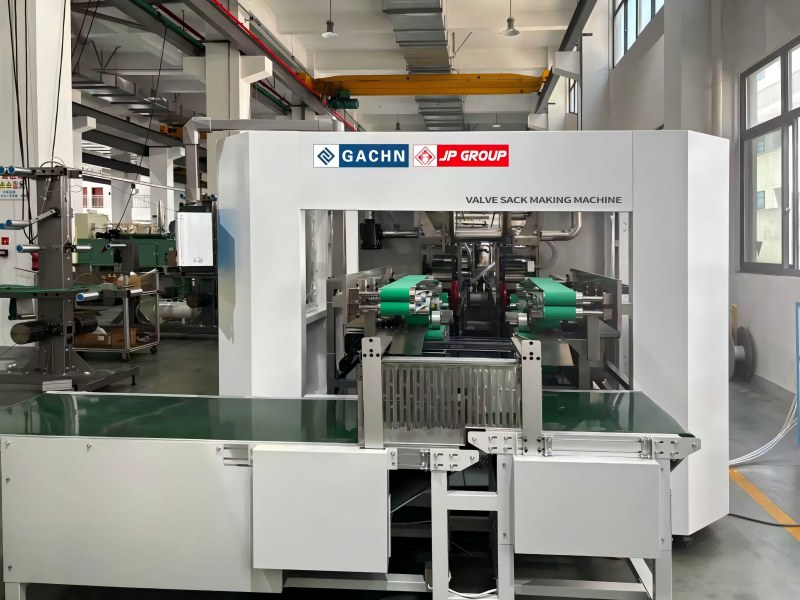
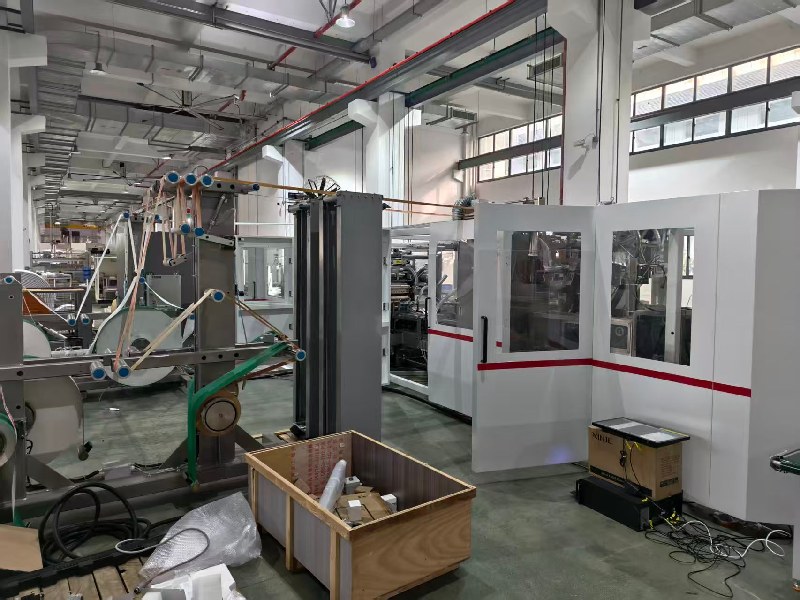
In the increasingly competitive industrial packaging field, the production efficiency and quality of valve bags directly impact your market responsiveness and cost control. Say goodbye to the traditional model of unstable efficiency, reliance on human judgment for quality control, and lengthy changeover times. Xiamen Gachn gourp FK008 full servo valve bag making machine provides you with a one-stop, intelligent bag-making solution using cutting-edge technology.

Is your bag-making workshop facing the following challenges?

Production speed is hitting a bottleneck, making it difficult to meet peak season order demands?

Frequent quality issues such as bag size deviations and loose valve adhesion lead to customer complaints?

Complex and time-consuming machine setup when changing production specifications results in significant waste of materials and time?

Over-reliance on skilled operators and a lack of effective data management?

If any of these issues resonate with you, then the FK008 will be the key to breaking through your limitations.


I. Ultimate Efficiency: Full Servo Drive, Unleashing the Production Potential of 120 Bags/Minute

Traditional mechanical transmission methods are limited in speed and difficult to adjust. The FK008 employs a full servo drive system, giving the equipment flexible "joints and muscles."

High-speed and stable operation: The equipment operates at a stable speed of up to 120 bags/minute, allowing you to achieve output far exceeding competitors per unit time.

Quick changeover: Parameters such as bag length and width are set with a single touch on the touchscreen, and the servo system automatically adjusts accordingly, significantly shortening specification changeover time and improving responsiveness for small-batch, multi-specification orders.


II. Precision and Reliability: Top-tier components and unique processes ensure perfect quality for every bag.


We believe that stability stems from precise control of every detail.


Globally leading web guiding system: Utilizing web guides from German brands such as BST/FIFE, it ensures that the centerline error of the roll material is stably controlled within ±1mm during transport, laying a precise foundation for subsequent cutting and laminating processes.


Patented Bag Opening and Forming Technology: A unique bag opening process combining negative pressure adsorption and a servo lever ensures stable bag opening and full forming, providing optimal conditions for subsequent valve sealing and filling.


Constant Temperature Heat Sealing Welding: A professionally designed welding system equipped with constant temperature control ensures uniform, firm, and reliable welding strength between the valve and the bottom label, preventing delamination and leakage.


III. Intelligent Inspection: A vision system acts as a "quality inspector," significantly reducing the defect rate.

Human eye inspection is prone to fatigue and oversights. The FK008 can be equipped with a high-speed vision inspection system, giving product quality "eagle eyes."


Dual Camera Collaborative Operation: One 4K linear infrared camera inspects the base fabric appearance, and one 4K linear monochrome camera inspects the bag opening appearance.


Ultra-Low Rejection Rate: The system achieves an excellent rejection rate of <0.15% and a scrap rate of ≥96.5%, automatically rejecting defective products to ensure only qualified products flow out, effectively protecting your brand reputation.


IV. Stable and Durable: International Brand Components, Building the Equipment's "Strong Heart"

Investing in equipment is about long-term return on investment. The FK008 makes no compromises on core components:

Control System: Schneider PLC, servo motors, and touchscreen ensure accurate and stable commands during long-term operation.

Pneumatic System: SMC (Japan)/FESTO (Germany) cylinders and solenoid valves provide durable and reliable power.

Actuators: Japanese SHIMPO servo planetary reducers and NSK bearings ensure smooth transmission and long-lasting durability.

This is not just a configuration list, but our solemn commitment to low failure rate and long lifespan for our equipment.


V. Worry-Free Service: From Installation to Production, We Provide Comprehensive Support

We offer more than just equipment; we provide a complete solution.

Professional Training: We send technicians to your factory to provide comprehensive training on equipment operation, adjustment, and troubleshooting.

Robust Warranty: The equipment comes with a one-year warranty and lifetime technical support.

Spare Parts Support: A set of easily damaged parts is provided randomly, along with a clear list of easily damaged parts, giving you peace of mind.

Choosing the FK008 full-servo valve bag maker means choosing to inject new genes of efficiency, precision, intelligence, and reliability into your packaging production line. This is not just an equipment upgrade, but a comprehensive leap forward in your market competitiveness.


Take action now and let FK008 empower your business growth!

Contact us for customized technical solutions and quotations

Download the FK008 detailed technical parameter manual now

Categories
Tags